Golfers know that precision is everything. The right club, the perfect distance, and a clear read on the terrain can be the difference between a birdie and a bogey. While the latest golf rangefinders promise to level up your game, the real story is how these pocket-sized gadgets are quietly revolutionizing both amateur and pro golf.
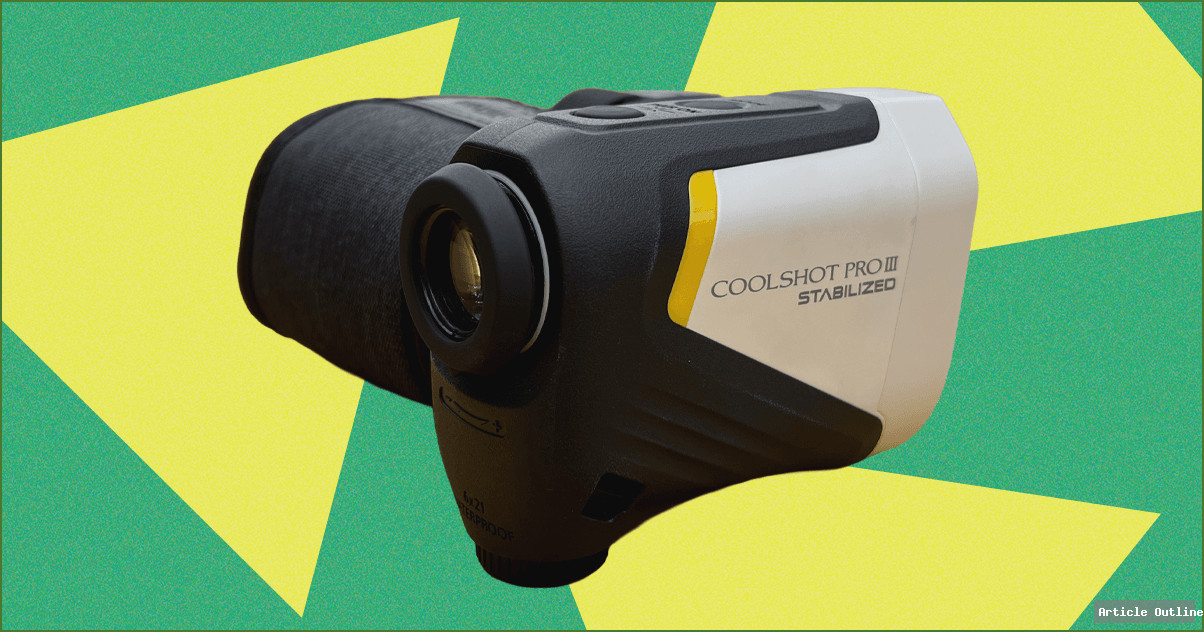
Let’s dive into why these devices matter more than ever, what most golfers still overlook, and how the best models stack up beyond just the spec sheet.
Why This Matters
- Golf is evolving into a data-driven sport. Rangefinders aren’t just fancy gadgets; they’re tools that democratize accuracy on the course.
- Course management is the new secret weapon. By giving real-time, pin-point yardage, rangefinders help golfers make smarter club selections, reducing errors caused by guesswork.
- Tournament regulations are shifting. The USGA now allows distance-measuring devices in many amateur events, making rangefinder skills a modern must-have.
What Most People Miss
- It’s not about maximum features—it’s about usability. The Bushnell A1-Slope packs core tech into a tiny frame, showing that ‘less is more’ for many players who value speed and simplicity over bells and whistles.
- Hybrid devices are reshaping expectations. Mileseey’s GenePro G1 combines GPS and laser rangefinding, offering more than just distance—it provides course mapping, scoring, and even humidity-adjusted slope calculations. This blurs the line between traditional rangefinders and digital caddies.
- Battery life and durability often get overlooked, but these are critical for reliability over long tournaments or travel-heavy golf seasons.
- Warranty length signals brand confidence. Mileseey’s 10-year limited warranty dwarfs the industry standard, reflecting both product longevity and buyer peace of mind.
Key Takeaways & Expert Analysis
- Bushnell A1-Slope: Ultra-compact, intuitive, and accurate. Lacks advanced features like image stabilization, but makes up for it with simplicity and size. Perfect for players who want ‘grab-and-go’ performance.
- Mileseey GenePro G1: Best-in-class for tech enthusiasts. Touchscreen AMOLED, hybrid GPS/laser functions, and advanced slope analysis. Slightly steeper learning curve, but a powerhouse for tech-savvy golfers.
- Industry Trend: The convergence of GPS, laser, and app integration is accelerating. Expect future models to offer even more analytics, from swing tracking to AI-powered club recommendations.
- Practical Tip: Don’t just chase specs. Consider your typical course conditions, personal workflow, and how much data you truly use during a round.
Comparative Snapshot: Bushnell A1-Slope vs. Mileseey GenePro G1
| Feature | Bushnell A1-Slope | Mileseey GenePro G1 |
|---|---|---|
| Magnification/Range | 6X / 1,300 yards | 6X / 1,300 yards |
| Weatherproofing | IPX6 | IP65 |
| Battery Life | 50+ rounds | Up to 24 hours (4-5 rounds) |
| Advanced Features | Basic core only | GPS, touchscreen, app integration, ball-to-pin mode |
| Warranty | 2 years | 10 years |
The Bottom Line
Golf rangefinders are no longer niche gadgets—they’re strategic assets. Whether you crave a minimalist tool like the Bushnell A1-Slope or a tech-packed digital caddie like the Mileseey GenePro G1, make your decision based on your play style and appetite for data. As golf continues to embrace technology, those who adapt early will see their scores—and confidence—drop.