In the aftermath of the devastating Wang Fuk Court fire—Hong Kong’s deadliest in decades—at least 128 lives have been lost. While the city mourns, the incident exposes uncomfortable truths about urban living, policy enforcement, and the hidden costs of economic pressure in one of the world’s most densely populated cities.
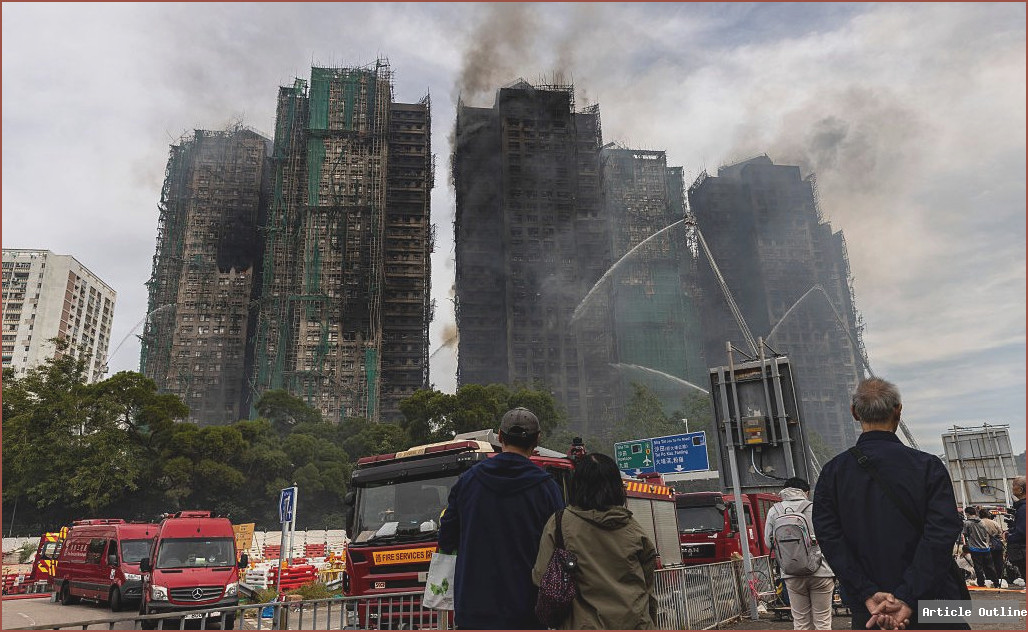
This tragedy wasn’t just a freak accident—it was the result of a perfect storm: outdated infrastructure, cost-cutting, regulatory lapses, and the relentless squeeze of Hong Kong’s notorious housing crunch.
Why This Matters
- Urban density magnifies disaster: With 6,900 people per sq km, fires can leap from building to building in minutes. The city’s skyline is impressive, but its tightly packed residential blocks turn minor hazards into major catastrophes.
- Housing affordability is a hidden fire risk: High rents force thousands into subdivided flats—tiny, often illegal units carved from older buildings. These modifications often block escape routes and violate basic fire codes.
- Cost-cutting in construction kills: The use of flammable materials and bamboo scaffolding (favored for its low cost despite its combustibility) helped the flames spread rapidly. Regulatory warnings have gone unheeded for years.
What Most People Miss
- The deadly domino effect of policy gaps: Even after previous blazes, enforcement remains weak. Over 8,600 fire hazard abatement notices have been issued for old, high-risk buildings, but prosecutions are rare and compliance is slow.
- Renovations can be risk multipliers: The Wang Fuk Court was under renovation, with bamboo scaffolding and plastic sheeting in place. These temporary measures became accelerants, not barriers.
- Negligence has consequences: The arrest of three construction firm staff for manslaughter is rare but signals a new, tougher stance—or at least a search for accountability in the face of public outrage.
Key Takeaways
- Density + Poverty = Danger: Hong Kong’s vertical living may look efficient, but it’s a recipe for disaster when fire codes are ignored or unaffordable to implement.
- Old buildings, old problems: Many blocks, especially those built in the 1980s or earlier, remain poorly fireproofed—despite repeated government warnings and tragic precedents.
- Regulation is only as good as its enforcement: Passing new laws doesn’t matter if landlords and contractors ignore them with impunity.
- Bamboo scaffolding—time for real reform: Cultural traditions meet modern risk. The push for metal scaffolding has been slow, and cost concerns keep bamboo in use, even though its dangers are well documented.
Timeline of Recent Major Fires in Hong Kong
- 1996: Garley Building fire kills 41, injures 81.
- 2011: Mong Kok fire leaves 9 dead, 34 injured.
- April 2024: Yau Ma Tei blaze kills 5, exposes continued safety failures.
- November 2025: Wang Fuk Court fire claims at least 128 lives—the deadliest in modern history.
Pros and Cons of Hong Kong’s Fire Safety Landscape
- Pros: Robust emergency response teams; recent legislative attempts to toughen enforcement.
- Cons: Chronic underfunding of fire safety upgrades, widespread non-compliance, loopholes for subdivided flats, and slow adoption of safer construction practices.
Action Steps—What Needs to Change
- Accelerate fireproofing upgrades in aging buildings
- Crack down on illegal subdivided flats and blocked passageways
- Mandate and subsidize modern, fire-resistant construction materials
- Increase resources for inspection and enforcement
The Bottom Line
Hong Kong’s tragedy is a global warning: urban prosperity cannot come at the expense of basic safety. Until the city addresses its affordable housing crisis and enforces fire safety with real teeth, these disasters will remain grimly predictable. Economic shortcuts and regulatory blind spots are paid for in lives lost. Real reform is overdue—and the world is watching.
Sources:
- RTHK: Search and rescue operations update
- Reuters: Fire chief press conference
- Info.gov.hk: Security Secretary statement
- SCMP: Police investigation
- TIME: 1996 Garley Building fire
- Hong Kong Government: Population density
- TIME: Subdivided flats
- SCMP: Subdivided flats fire risks
- France24: Bamboo scaffolding
- Info.gov.hk: Aging buildings
- Info.gov.hk: Fire hazard notices
- Source