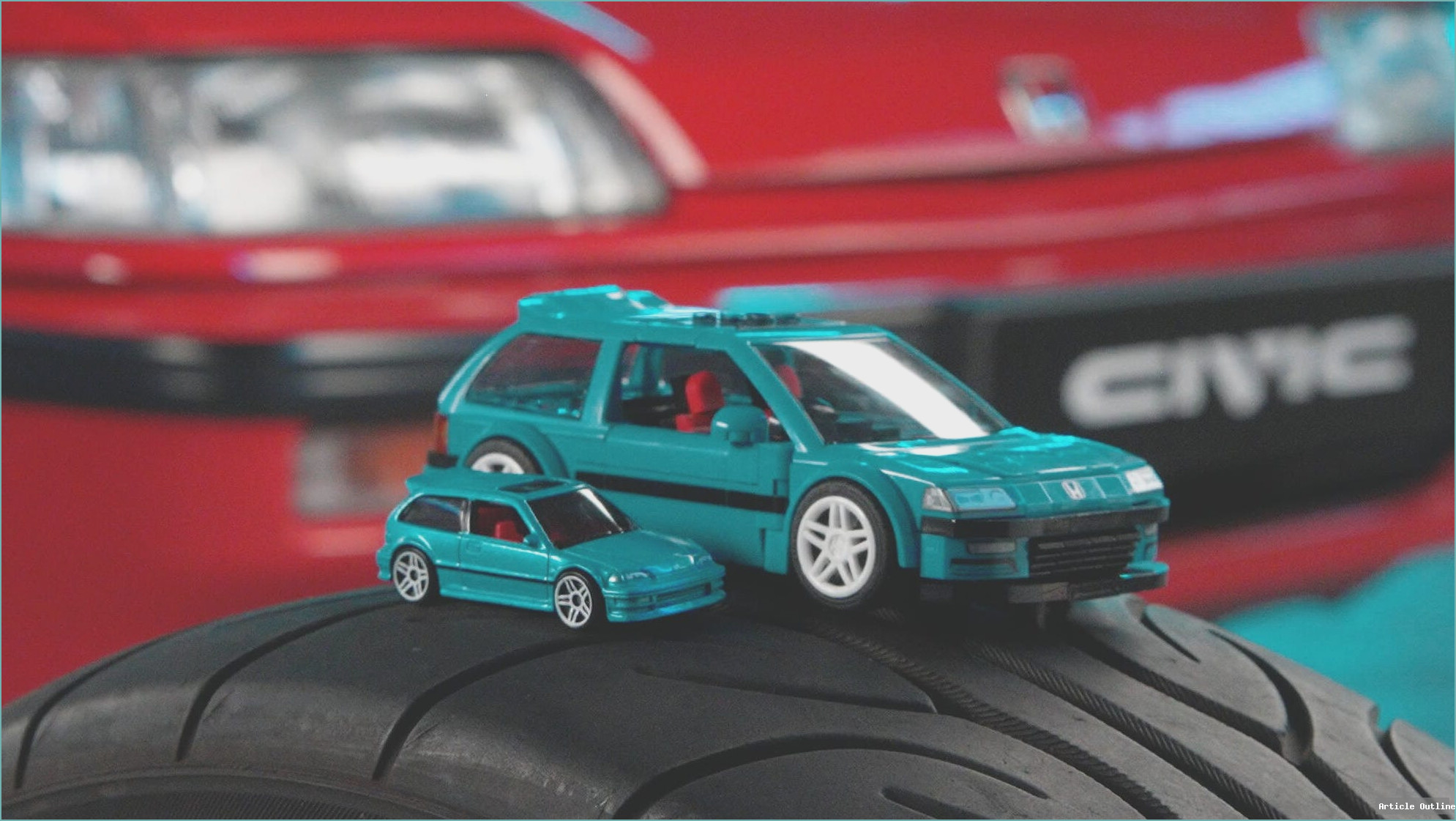
Car culture has always had its icons, but few vehicles hold the universal, cross-generational love like the fourth-gen Honda Civic EF. Now, Hot Wheels is tapping into the collective ’90s nostalgia with its new buildable Brick Shop kit—and the implications go far beyond just another toy on the shelf.
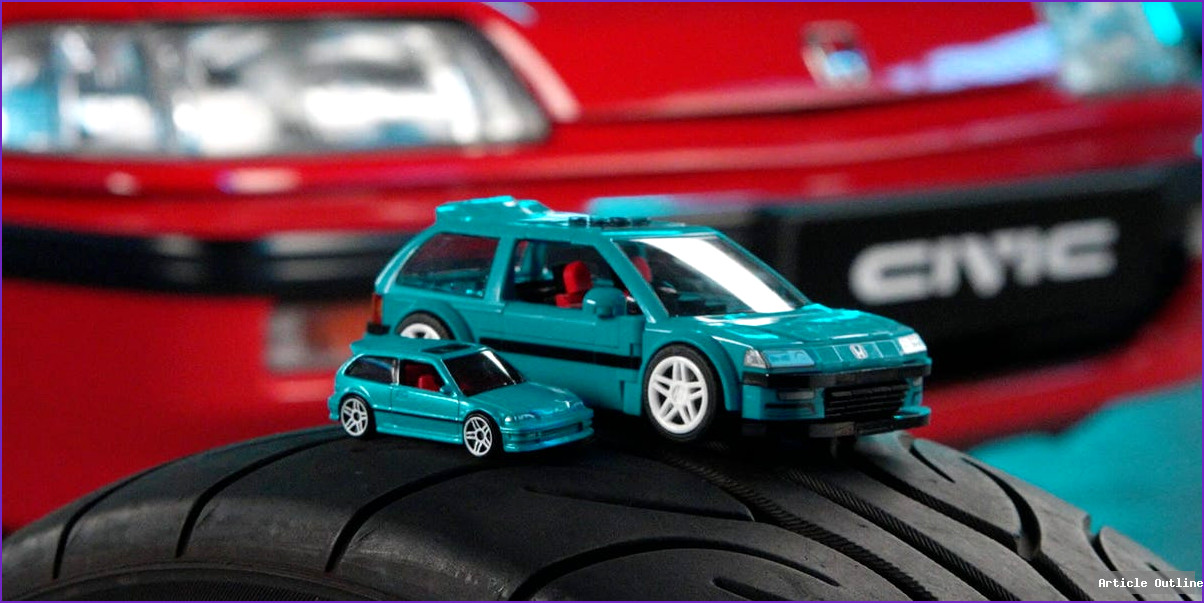
This isn’t just a collector’s item. It’s a celebration of everyday car culture, accessibility, and the rise of customization in a world once dominated by exotic supercars. Alongside the Civic EF, Hot Wheels also unveiled a 2007 S2000 kit, but let’s break down why these Hondas matter in 2024—and what the toy industry and auto enthusiasts can learn from this launch.
Why This Matters
- Democratizing Car Fandom: Not everyone can own a Lamborghini or a GT-R, but many have real, lived experiences with Civics and S2000s. This kit celebrates cars that built communities, not just dreams.
- Blurring Toy and Hobbyist Lines: With 248–257 pieces, swappable wheel covers, and aftermarket decals from legends like Sparco and K&N, this is more than a simple toy—it’s a gateway to car modding culture for a new generation.
- Nostalgia Meets Modern Customization: The ’90s Civic EF in Tahitian Green Pearl and yellow S2000 aren’t just accurate—they’re love letters to an era when tuning and personalization went mainstream.
What Most People Miss
- First Hondas in the Brick Shop Series: It’s easy to overlook, but this is a debut for Honda in Mattel’s buildable lineup. The choice signals growing recognition of JDM (Japanese Domestic Market) icons as global cultural touchstones.
- The Aftermarket Angle: Including real-world decals from aftermarket brands isn’t just a nod to accuracy—it’s validation of tuning culture as a legitimate, celebrated part of car history.
- Sold-Out Status: The Civic EF kit sold out almost instantly. That speaks volumes about the pent-up demand for relatable, attainable car icons—especially from millennials and Gen Z who grew up with these models.
Key Takeaways
- Mainstream Brands Are Embracing Everyday Enthusiasts: This isn’t about supercar envy—it’s about celebrating the cars we actually drive, modify, and love.
- Customization Is Here to Stay: Swappable parts and real-world decals point to a future where even toys are built to be personalized, reflecting the broader trend in car culture.
- Nostalgia Sells, But Only When It’s Authentic: Hot Wheels nailed the details—from paint codes to wheel options—showing that authenticity matters to today’s buyers.
Industry Context & Comparisons
- Lego vs. Hot Wheels Brick Shop: While Lego has dabbled in car models, Mattel’s approach is more focused on real-world tuners and customization. It’s a smart move, given the explosion of modding culture on platforms like Instagram and TikTok.
- JDM Wave: The inclusion of the Civic EF and S2000 is the latest in a line of JDM appreciation—from Lego’s Nissan Skyline GT-R sets to Forza’s car packs—reflecting a shift in what defines ‘iconic’.
- Price Point: At $22, these kits are accessible, especially compared to high-end Lego sets or diecast collectibles, broadening the hobbyist base.
Timeline: The Rise of JDM in Pop Culture
- 1990s: Civic EF and S2000 become modding favorites worldwide, driven by affordability and tunability.
- 2000s: JDM culture explodes in the West, thanks to movies like “Fast & Furious” and games like “Gran Turismo” and “Need for Speed”.
- 2020s: Major toy brands embrace JDM icons, signaling their place in the global pantheon of beloved cars.
Pros & Cons of the Brick Shop Honda Kits
- Pros:
- Authentic details (paint, decals, wheels)
- Affordable entry point for new enthusiasts
- Supports creativity and car culture learning
- Cons:
- Limited availability (Civic sold out fast)
- Some purists may want even more detailed customization
The Bottom Line
Hot Wheels’ new Brick Shop Honda kits aren’t just toys—they’re cultural artifacts. They recognize that the cars we grew up with, tinkered on, and drove to school are worthy of celebration. In a world where authenticity and relatability are more valuable than ever, Mattel’s move is a smart bet on the future of both the car hobby and the toy industry.