Global health experts are sounding the alarm: recent cuts to international HIV/AIDS funding are reversing hard-won progress, especially in sub-Saharan Africa. The consequences are immediate and severe, with closed clinics, rising infections, and millions at risk of being left behind.
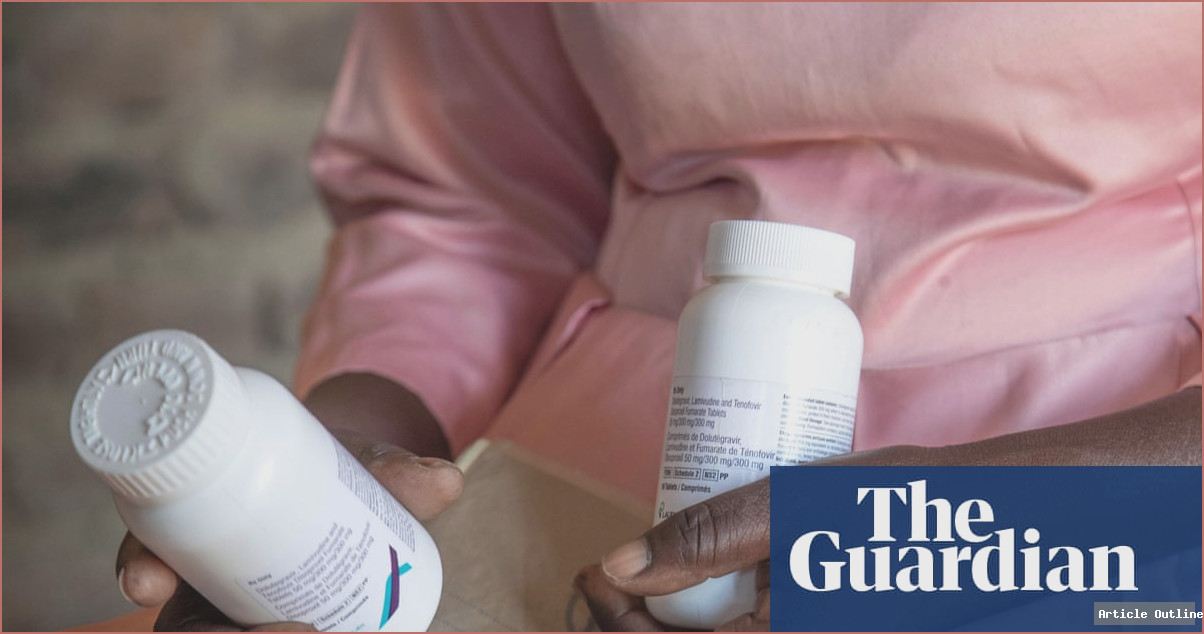
But this isn’t just another grim statistic—it’s a pivotal moment that could shape the global battle against HIV for years to come.

Why This Matters
- UNAIDS predicts 3.3 million more HIV infections by 2030 if action isn’t taken—undoing decades of public health achievements.
- Health systems in low- and middle-income countries rely heavily on foreign aid. When funding dries up, prevention and outreach are the first casualties.
- This isn’t just about numbers—it’s about real people. Teenage girls in Mozambique, LGBTQ+ communities in Uganda, and entire populations in Ethiopia and the DRC are already feeling the impact.
What Most People Miss
- Prevention programs are hit hardest: When resources are scarce, governments prioritize treating existing patients over stopping new infections. For example, Burundi saw a 64% drop in people receiving preventive HIV medicines.
- Invisible populations are put at greater risk: Key groups—men who have sex with men, sex workers, transgender people, and those who inject drugs—are losing vital, stigma-free safe spaces and community support. This leads to under-reporting, isolation, and increased transmission.
- Short-term cuts have long-term consequences: Closed clinics and broken supply chains today mean rising infections, deaths, and costs tomorrow.
Key Takeaways
- Aid cuts are not just budgetary decisions—they are public health emergencies in slow motion.
- Data lags, but early warning signs are clear: In Zimbabwe, AIDS-related deaths have risen for the first time in five years. In Kenya, people are hiding their identities to access care, which distorts surveillance and hinders targeted interventions.
- There’s hope: Some governments (like Nigeria and South Africa) are pledging more domestic investment, and innovations such as long-acting injectables are on the horizon. But scaling these up requires both money and political will.
Timeline: How We Got Here
- 2023: Global HIV/AIDS rates are declining thanks to coordinated international aid and innovative outreach.
- Early 2025: The US abruptly slashes all overseas aid. The UK and EU follow suit with their own cuts.
- 2025: Aid for health falls by 30-40%. Clinics close, test kits run out, and prevention programs are axed.
- Late 2025: UNAIDS and Frontline AIDS release reports showing rising infections and deaths, especially among vulnerable groups.
- 2026 and beyond: Some countries begin to increase domestic funding; new prevention tools are slowly introduced.
Expert Commentary
Winnie Byanyima, UNAIDS executive director: “The complex ecosystem that sustains HIV services… was shaken to its core. What we need now is political courage: investing in communities, in prevention, in innovation and in protecting human rights as the path to end AIDS.”
John Plastow, Frontline AIDS: “We are already seeing progress slip backwards. In several countries, we are seeing the first signs of governments and communities working together to build more sustainable, homegrown HIV responses.”
Action Steps: What Needs to Happen Now
- Donor countries must restore and prioritize health funding for at-risk populations.
- National governments should increase domestic investment and adopt sustainable, community-led approaches.
- Innovations like long-acting PrEP and injectable treatments must be fast-tracked and made widely accessible.
- Protect and expand safe spaces for marginalized groups—breaking the cycle of stigma and under-reporting.
The Bottom Line
The world knows what works to fight HIV/AIDS—but without sustained investment and political courage, millions more will be infected, and decades of progress will unravel. Now is the time for global leaders to step up, not retreat.