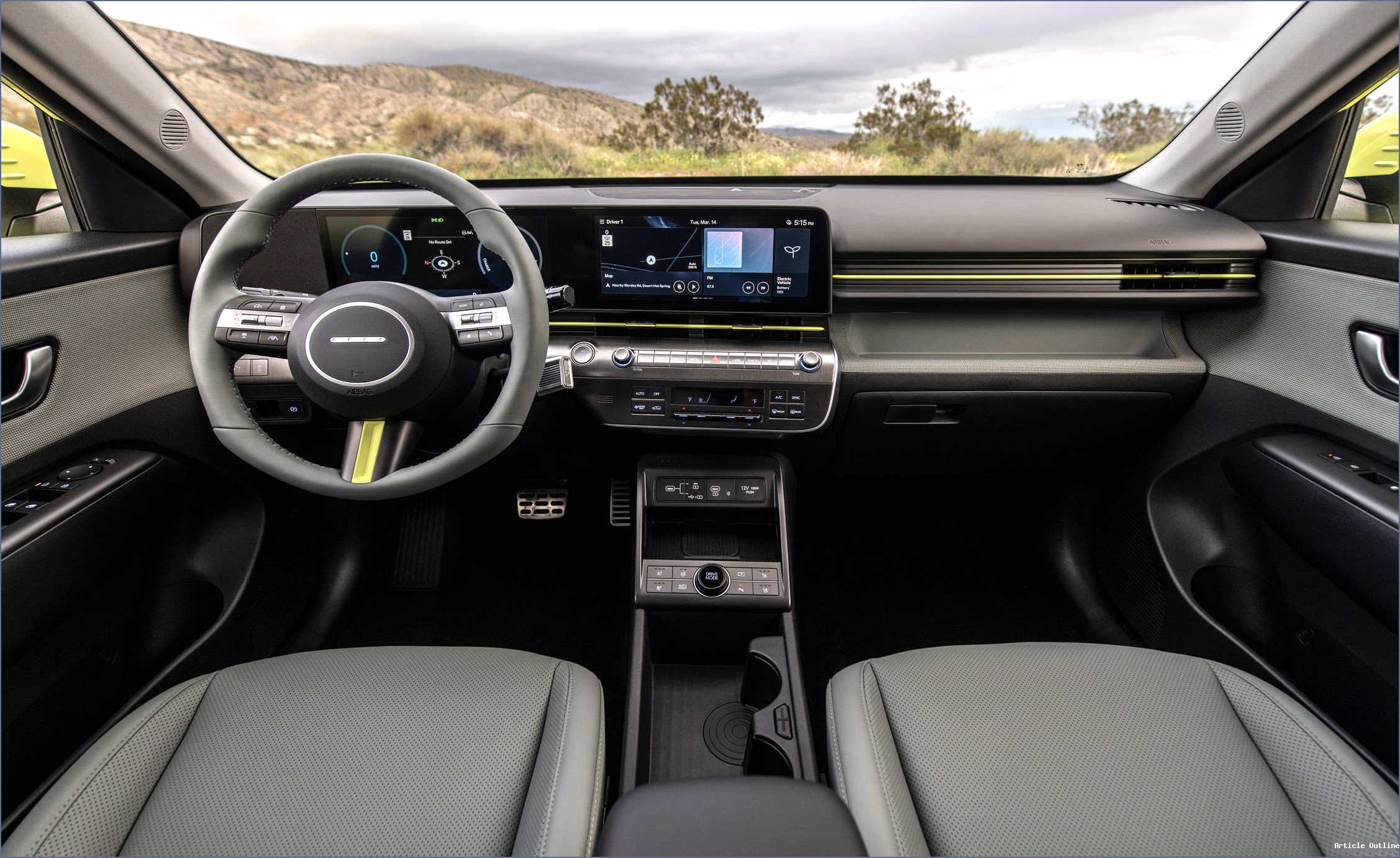
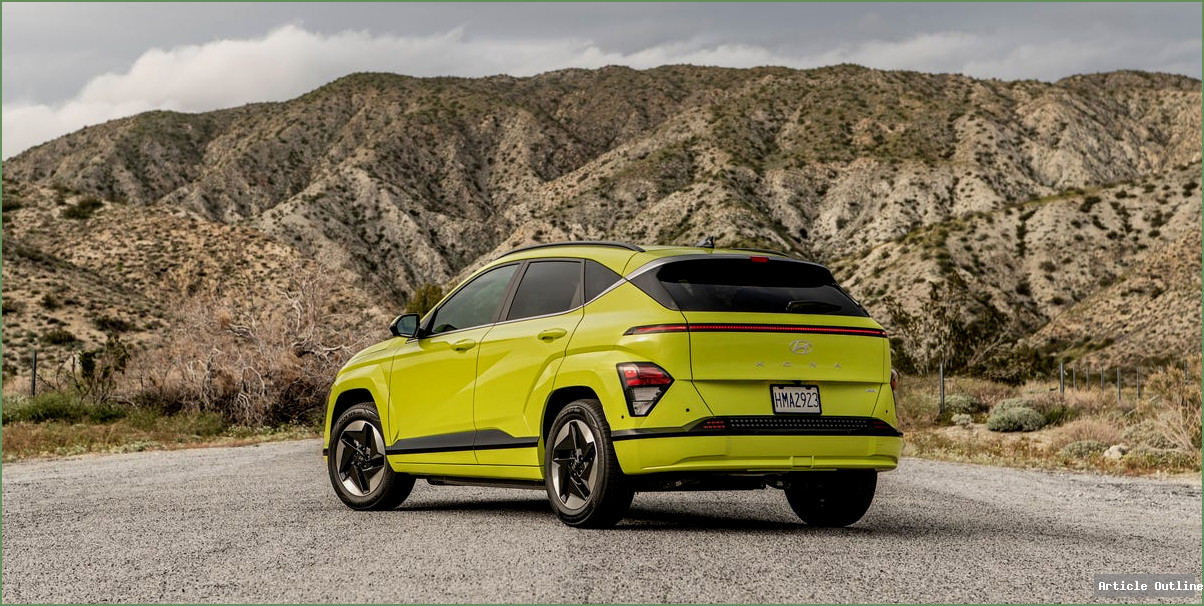
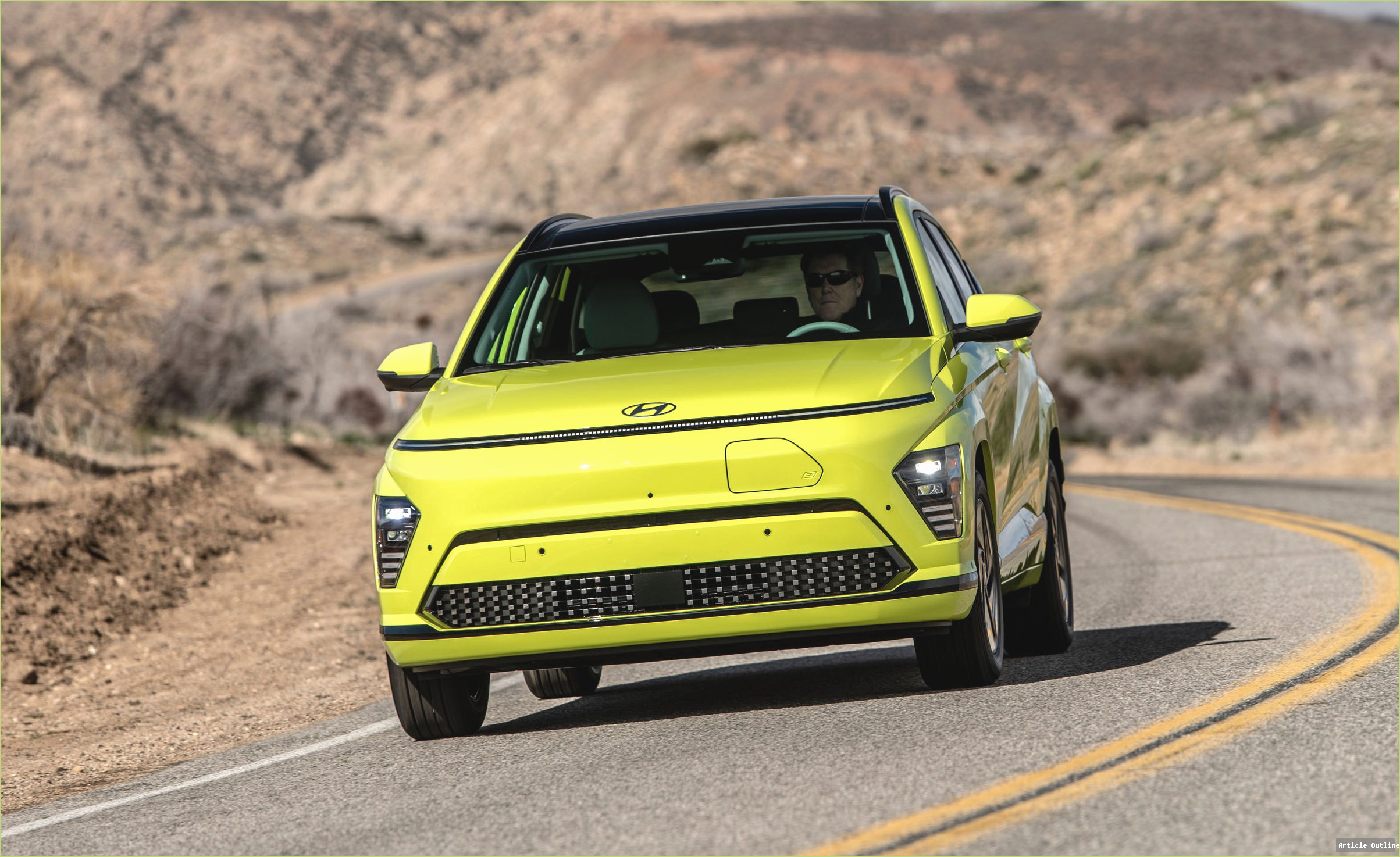
The Hyundai Kona Electric will officially skip the 2026 model year, a move that’s as much about shifting tides in the EV marketplace as it is about inventory management. Hyundai says there’s enough 2025 stock to weather demand, with the subcompact electric SUV slated to return as a 2027 model. But beneath this announcement lies a revealing story about the challenges—and recalibrations—facing mainstream EV adoption.
Why This Matters
- Hyundai’s pause is a clear signal that EV demand isn’t growing as quickly as automakers—and Wall Street—predicted.
- The Kona Electric’s hiatus isn’t an isolated case. We’re seeing a wave of EV delays, cancellations, and strategic pivots across the industry.
- This move highlights the ripple effects of policy changes, like the rollback of federal EV tax credits, and growing consumer caution around EVs.
What Most People Miss
- Inventory tells its own story: Despite Hyundai’s claim of ‘adequate stock,’ public listings show only about 100 new Kona Electrics for sale nationwide. That’s not exactly an overflowing lot.
- Sales are sharply down: Cox Automotive estimates just 3,011 Kona Electrics were sold last year—a whopping 41% drop versus the previous year.
- It’s a broader trend: Models like the Acura ZDX and VW ID.Buzz are also being paused or canceled. The industry is recalibrating, fast.
Key Takeaways
- EVs aren’t selling themselves anymore. Early adopters have bought in, but mainstream buyers remain cautious, especially as incentives dry up and infrastructure lags.
- Affordability is king: The Kona Electric’s base trim—slated to return in 2027—will keep its 48.6-kWh battery (200-mile range) and 133-hp FWD setup. But even ‘affordable’ EVs are struggling unless they deliver value and convenience.
- Production pauses like this are likely to become more common as automakers right-size their EV ambitions to real-world demand.
Industry Context and Comparisons
- The EV market is entering a ‘prove it’ phase. Early enthusiasm has collided with economic headwinds, infrastructure gaps, and shifting government policies.
- Other mainstream brands—Ford, GM, VW—have slowed or delayed EV rollouts as inventory sits and sales soften.
- Federal incentives matter: The elimination of the federal EV tax credit in late 2023 hit demand hard, especially for budget-conscious buyers.
Pros and Cons of the Pause
- Pros:
- Allows Hyundai to clear current inventory and avoid costly overproduction
- Gives time to potentially update or reposition the model for 2027
- Cons:
- Less consumer confidence—shoppers may question Hyundai’s EV commitment
- Dealers may struggle with limited choices for buyers wanting a new, small EV in 2026
The Bottom Line
The Hyundai Kona Electric’s skipped model year is a microcosm of the EV market’s current reality: lots of hype, but a need to recalibrate expectations. It’s not a retreat, but a reset. The question for buyers and automakers alike: Will EVs roar back with the next wave of models, or will the market remain in a holding pattern?
“Production pauses are no longer rare blips—they’re the new reality until automakers and buyers find common ground on price, range, and practicality.”
- Watch for more strategic pauses and model trims as manufacturers aim for profitability, not just headlines.
- For shoppers, this is a reminder to act fast if you want a specific EV—or wait for potentially improved models a year or two down the road.
Sources: