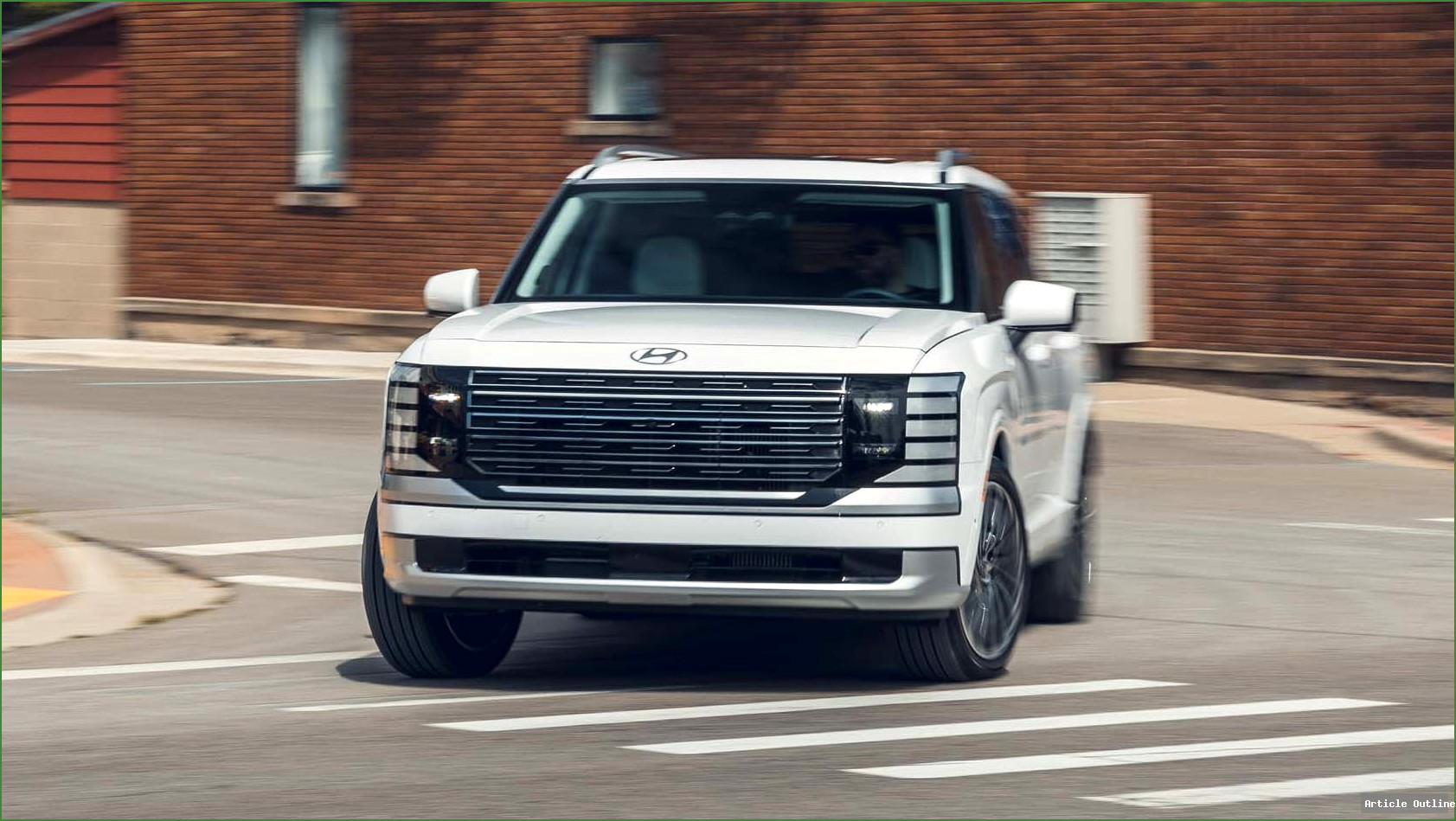
Hyundai’s recent stop-sale of its flagship 2026 Palisade Limited and Calligraphy trims isn’t just another recall—it’s a wake-up call for the entire auto industry about the dangers lurking in the push for luxurious, tech-laden interiors. The tragic incident that triggered this action—a fatal accident involving a child—casts a stark spotlight on how even advanced safety features can fall short.

Let’s go beyond the headlines to unpack what this means for families, car buyers, and the automotive world at large.
Why This Matters
- This incident exposes a recurring blind spot in vehicle automation: the reliability of sensors, especially those meant to detect people. When these fail, the consequences can be catastrophic.
- Hyundai’s recall covers over 61,000 Palisades in the U.S. alone, plus 8,000 in Canada. Add in Kia’s related recall of Tellurides, and this is not an isolated glitch—it’s an industry-wide problem in the SUV segment.
- This stop-sale isn’t just a technical fix—it’s a reputational crisis for brands that have built their image on family-friendly safety. How automakers respond will shape consumer trust for years to come.
What Most People Miss
- The risk extends beyond Palisade and Telluride drivers. Power-folding seats and similar features are now standard in many SUVs and minivans. If one system has a fatal flaw, others could be vulnerable too.
- Over-the-air (OTA) software updates are becoming the new recall norm. Hyundai’s quick move to offer an interim OTA patch by the end of March is smart, but it’s a double-edged sword—digital fixes can be deployed fast, but they can also mask deeper hardware issues.
- The timeline reveals how quickly automakers must act after a tragedy. Within days, Hyundai paused sales, notified dealers, and started working on both software and long-term solutions. This agility is new—and necessary—in today’s media environment.
Key Takeaways
- Safety Tech Isn’t Foolproof: Even advanced sensors can fail, especially when they rely on software that might not account for every scenario.
- Industry Domino Effect: As Kia’s recall shows, supplier and design overlap means one defect often leads to a wave of recalls across brands and models.
- Consumer Action: Owners are urged to avoid using power seat buttons when entering or exiting vehicles and to stay alert for updates from manufacturers.
- Regulatory Scrutiny: Expect increased oversight from agencies like the NHTSA, which could lead to stricter testing protocols for automated features in family vehicles.
Timeline of Events
- March 7, 2026: Fatal incident involving a child and a 2026 Palisade.
- March 13, 2026: Hyundai issues stop-sale to dealers.
- March 16, 2026: News of recall and stop-sale breaks.
- March 20, 2026: Hyundai officially files recall for 61,093 Palisades.
- March 24, 2026: Kia announces recall for 568 Telluride SUVs with similar seat mechanisms.
Industry Context
- According to the NHTSA, seat-related injuries in vehicles are rare but disproportionately serious when they happen. Automated seats are meant to add convenience, but improper detection can turn them into hazards.
- In the last five years, power seat recalls have increased by 30% as more vehicles add complex internal electronics and automation features.
- OTA updates are a game-changer, but only if hardware is robust enough to support them long-term. A quick software fix can’t always replace physical safety upgrades.
Pros and Cons of Automated Seat Features
- Pros:
- Convenient for large families and frequent cargo loading
- Reduce manual effort, appealing to all ages
- Potential for safety if sensors work properly
- Cons:
- Sensor failures can be deadly
- Complexity adds to repair costs and recall frequency
- Potential for software bugs and hacking risks
The Bottom Line
Car buyers should not assume the latest tech is always the safest choice. Manufacturers must double down on rigorous, real-world testing—especially for features aimed at families. Meanwhile, the industry’s shift toward OTA software fixes is promising but not a panacea. As this Palisade recall shows, true safety is more than a line of code—it’s a commitment to anticipating the unexpected.
Action Steps for Owners
- Check your vehicle’s VIN against current recalls on the NHTSA website.
- Follow Hyundai and Kia instructions—avoid using power seat features until fixes are confirmed.
- Expect communication about rental options and OTA updates before the end of March.
- Report any unusual seat behavior immediately to your dealer.