The recent floods and landslides in Indonesia’s Sumatra are more than another tragic headline—they’re a stark warning about the future of climate-vulnerable nations. With over 700 lives lost, more than 500 missing, and 1 million forced from their homes, the devastation offers a sobering lens through which to view disaster preparedness, climate change, and humanitarian response in Southeast Asia.
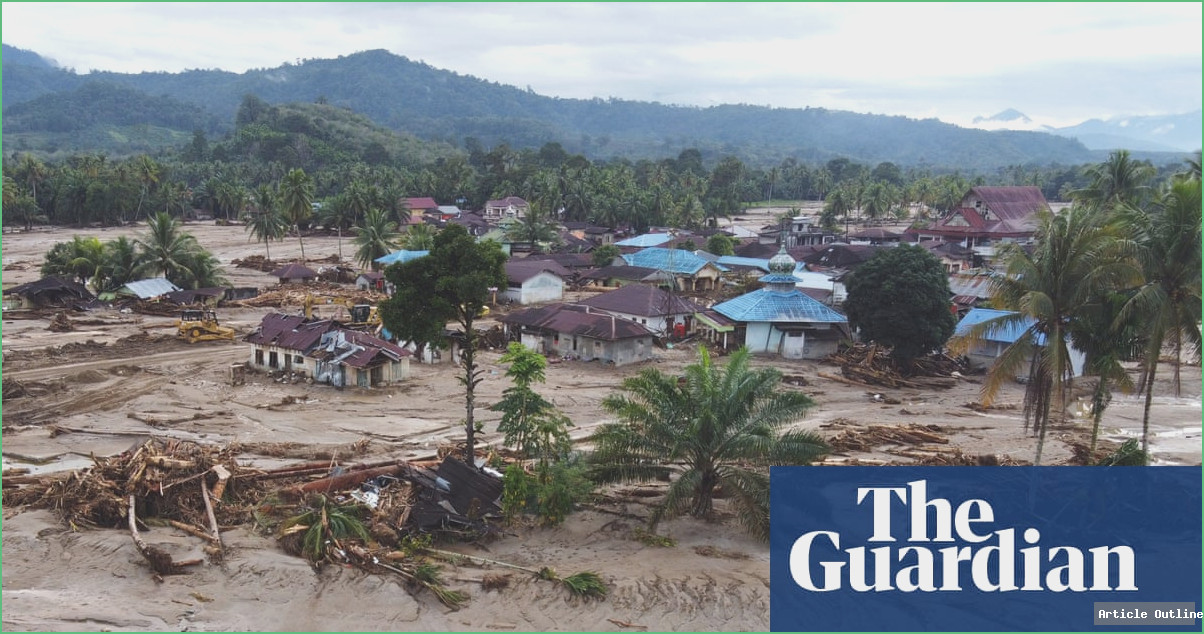
While the world mourns, the numbers tell only part of the story. This is a crisis of compounding risks—where climate volatility, fragile infrastructure, and regional poverty intersect to create a perfect storm of suffering.

Why This Matters
- Climate change is accelerating disaster frequency and intensity. The World Health Organization’s warning is clear: such extreme weather events are no longer rare, but recurring.
- Millions remain perilously exposed—not just in Indonesia, but across Asia, as this week’s death toll tops 1,300 regionally.
- Critical supply lines are failing. In Aceh, food prices have tripled, and markets are running dry—making hunger the next disaster unless aid breaks through.
What Most People Miss
- Evacuation ≠ Safety: Over a million evacuated, but many now live in shelters with limited food, clean water, and medical care. Disease outbreaks are a looming threat—hence the WHO’s intervention.
- Infrastructure bottlenecks: Blocked roads and collapsed bridges isolate entire districts. In Tapanuli Tengah and Agam, relief teams can’t even get in by road.
- Communication breakdown: Survivors report no warning before waters hit. Early-warning systems, crucial in disaster-prone regions, are still sorely lacking.
- Regional domino effect: Sri Lanka and Thailand are also in crisis. The same monsoonal system and cyclones are causing cross-border devastation, overwhelming aid capacities.
Key Takeaways
- Climate adaptation is now urgent, not optional. Southeast Asian nations must invest in flood defenses, early warning tech, and resilient infrastructure.
- Aid must be smarter and faster. Bottlenecks reveal the need for pre-positioned supplies and local training for rapid response.
- Food security is disaster security. When roads fail, so do supply chains. Developing local reserves and alternative routes could save lives.
- International attention and funding should match the scale of the crisis. These are not isolated events, but part of a global pattern demanding global solutions.
Timeline: How the Crisis Unfolded
- Late November 2025: Heavy monsoon rains hit Sumatra and southern Thailand.
- Rare tropical storm forms in Malacca Strait, intensifying floods and landslides in Indonesia.
- December 1-2: Death toll surges from 604 to over 700; 1 million+ evacuated.
- Ongoing: Aid efforts ramp up, but infrastructure damage delays vital supplies.
Expert Commentary
“We didn’t think we would survive that night because the situation was so chaotic. There was no prior warning whatsoever before the water came.”
– Gahitsa Zahira Cahyani, flood survivor
“Another reminder of how climate change is driving more frequent and more extreme weather events, with disastrous effects.”
– Tedros Adhanom Ghebreyesus, WHO Director General
The Bottom Line
Indonesia’s floods are not just a local tragedy—they’re a global alarm bell. As climate change intensifies, disasters like these will become more frequent, more deadly, and more complex to solve. Now is the time for comprehensive solutions: investment in infrastructure, disaster preparedness, and cross-border cooperation. Otherwise, these headlines will become heartbreakingly routine.