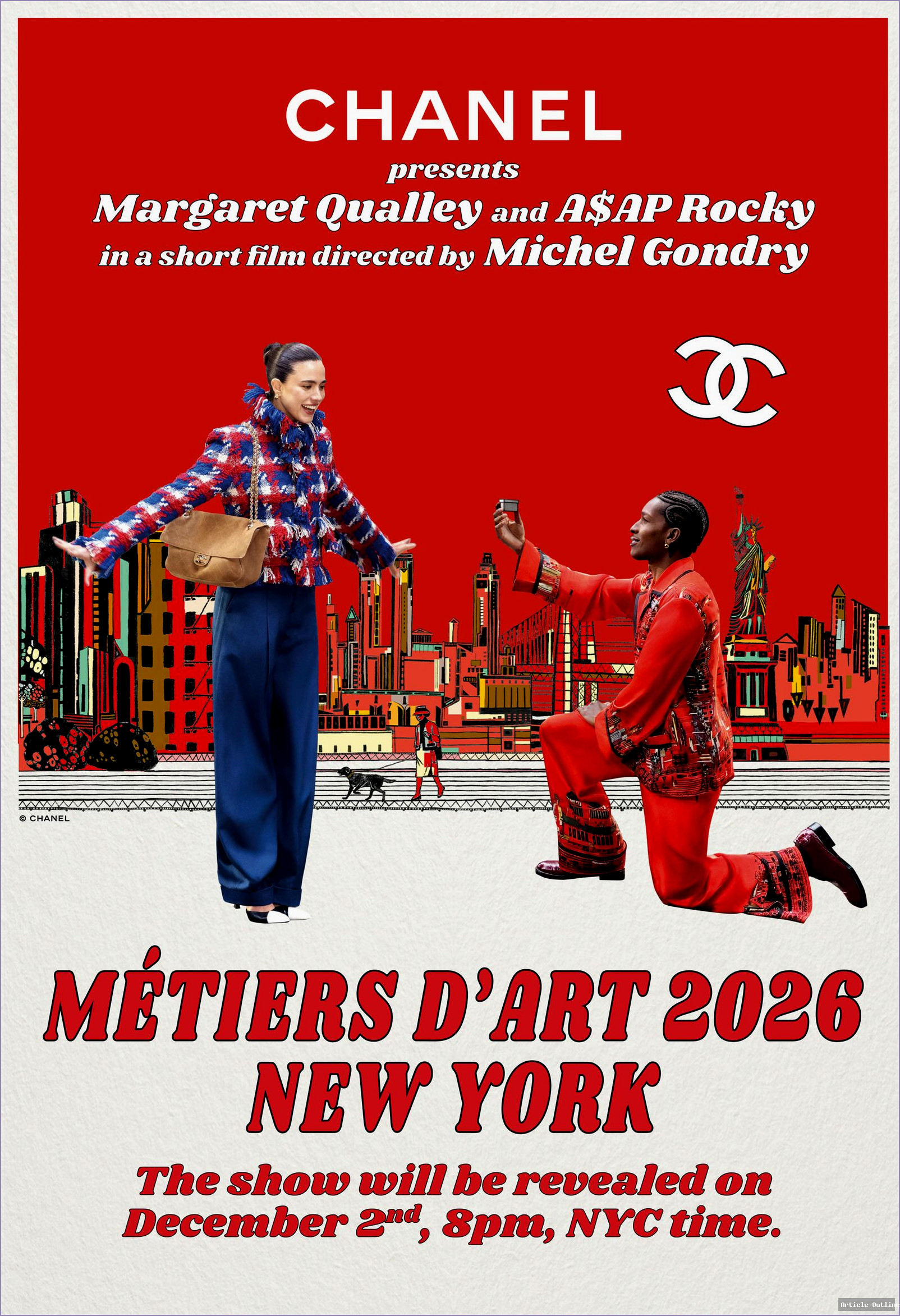
When Chanel swapped the grandeur of the Met Museum for the gritty, pulsating vibes of the Bowery subway station in New York, it wasn’t just a change of venue—it was a statement. The debut Métiers d’Art show by Matthieu Blazy signaled a seismic shift for the legendary fashion house, both creatively and operationally. But what does this really mean for Chanel’s future—and for the luxury fashion industry more broadly?

Let’s peel back the velvet curtain and take a closer look at the strategic and creative pivots reshaping Chanel under Blazy, and why this moment matters more than most realize.
Why This Matters
- Chanel is reimagining the very DNA of its operations, not just its runway looks. Blazy’s approach is about building a future-proof creative engine—one that’s sustainable, collaborative, and shockingly pragmatic for a house so steeped in myth and tradition.
- The shift to New York’s Lower East Side isn’t just aesthetic, it’s symbolic: Chanel is embracing a grittier, more experimental energy that mirrors how the luxury market itself is evolving.
- With luxury experiencing global turbulence—sales down 4.3% in 2024—Chanel’s willingness to rethink everything from team structures to show locations is both bold and necessary.
What Most People Miss
- Blazy’s reorganization is the real revolution. Most headlines focus on the show’s location or star power (hello, A$AP Rocky!), but the big story is how Chanel is now working months ahead with dedicated research and prototyping teams. This breaks the old, relentless cycle of “one collection at a time” and lets ideas simmer, mature, and, crucially, build brand consistency.
- Chanel’s refusal to launch a dedicated menswear line is a strategic flex, not a missed opportunity. Instead, the brand is doubling down on cross-gender appeal—leveraging ambassadors like A$AP Rocky to showcase versatility without fragmenting its identity or diluting resources.
- The Métiers d’Art collections, once a niche tribute, are now a pillar of Chanel’s creative and commercial strategy. These collections tap into the brand’s ultra-specialized artisan network, fueling not just couture but ready-to-wear and accessories too.
Key Takeaways
- Chanel is betting on process innovation as much as product innovation. Dedicated teams, long-term planning, and a refusal to chase every trend are setting a new standard for luxury brand management.
- The U.S. market is now Chanel’s #1 priority— and its biggest growth engine. With American luxury spending rebounding, Chanel’s investment in New York retail experiences and headline-grabbing shows is a savvy play.
- The artisan story (think Lesage embroidery, Lemarié feathers, Goossens jewelry) is now central to Chanel’s narrative. In a world of fast fashion and AI design, this commitment to craft is both a differentiator and a brand moat.
Industry Context & Comparisons
- Chanel’s new approach echoes broader luxury trends— like Gucci’s and Louis Vuitton’s recent U.S.-based shows and more flexible creative calendars. Yet Chanel’s blend of tradition and innovation is uniquely “on brand.”
- Competitors are racing to launch new categories (menswear, home, beauty), but Chanel is defiantly focused—resisting the urge to “do it all” and instead refining what it does best.
- With 60 specialist suppliers and 11 at its Paris 19M hub, Chanel is vertically integrating craftsmanship at a time when many rivals are outsourcing for speed and scale.
Timeline: Chanel’s Strategic Evolution Under Blazy
- 2023: Matthieu Blazy appointed as Chanel’s artistic director.
- 2024: Sales dip 4.3% amid global luxury slowdown; Blazy implements new team structures; U.S. market rebounds.
- Dec 2024: First Métiers d’Art show under Blazy, in NYC subway.
- 2025: Chanel forecasts return to growth, leverages U.S. expansion, and debuts acclaimed Blazy collections in-store.
Pros & Cons of Chanel’s New Direction
- Pros:
- Future-proofed creative process
- Agile response to market shifts
- Deeper brand storytelling through artisanship
- Strengthened U.S. presence
- Cons:
- Risk of alienating traditionalists who favor “old” Chanel
- Potential creative bottlenecks as teams adjust to new processes
- Bold moves could backfire if market trends shift suddenly
Action Steps & Practical Implications
- For luxury brands: Take note—continuous reinvention of process, not just product, is key to longevity.
- For Chanel fans: Expect more experimentation and a stronger focus on craftsmanship in everything from couture to boutique experiences.
- For investors and industry watchers: Watch Chanel’s U.S. strategy and Blazy’s next moves—both are likely bellwethers for luxury’s next chapter.
“We’re happy with what we do and Matthieu feels this freedom of exploring quite broadly.” – Bruno Pavlovsky, President of Chanel Fashion
The Bottom Line
Matthieu Blazy isn’t just designing collections—he’s reengineering Chanel’s creative machine. By blending deep respect for artisan heritage with a forward-thinking, market-responsive approach, Chanel is once again setting the tone for the luxury industry. In an era where many houses are chasing trends or expanding into every conceivable category, Chanel’s discipline and strategic focus may well prove to be its secret weapon.