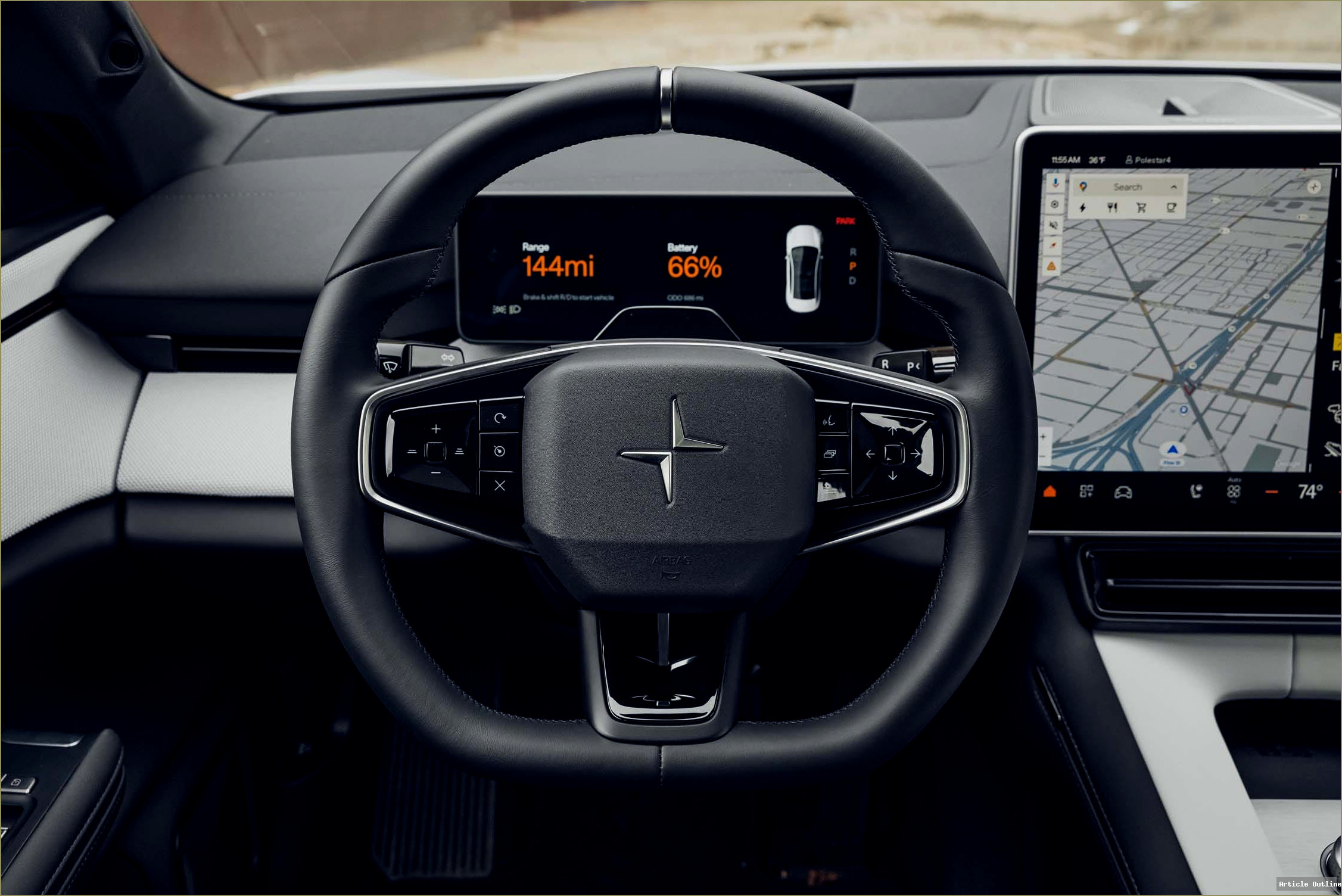
The 2026 Polestar 4 Long Range Dual Motor is more than just another Scandinavian EV with a futuristic badge. Dive into its interior and you’ll see Polestar taking some surprisingly bold risks—and, as usual, a few lessons for the rest of the auto industry.
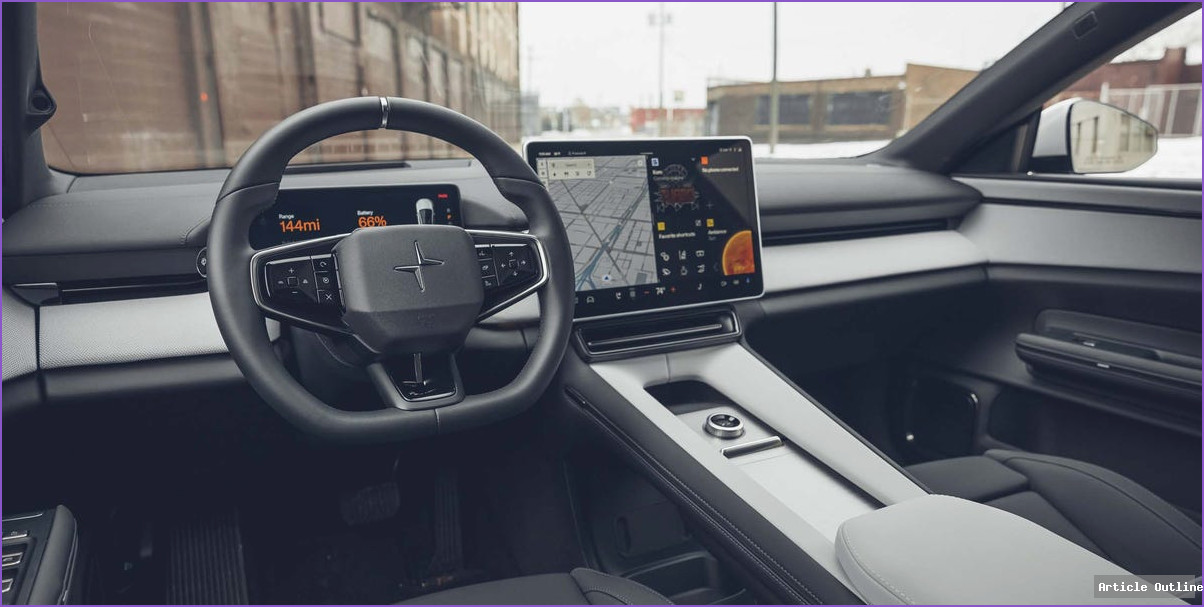
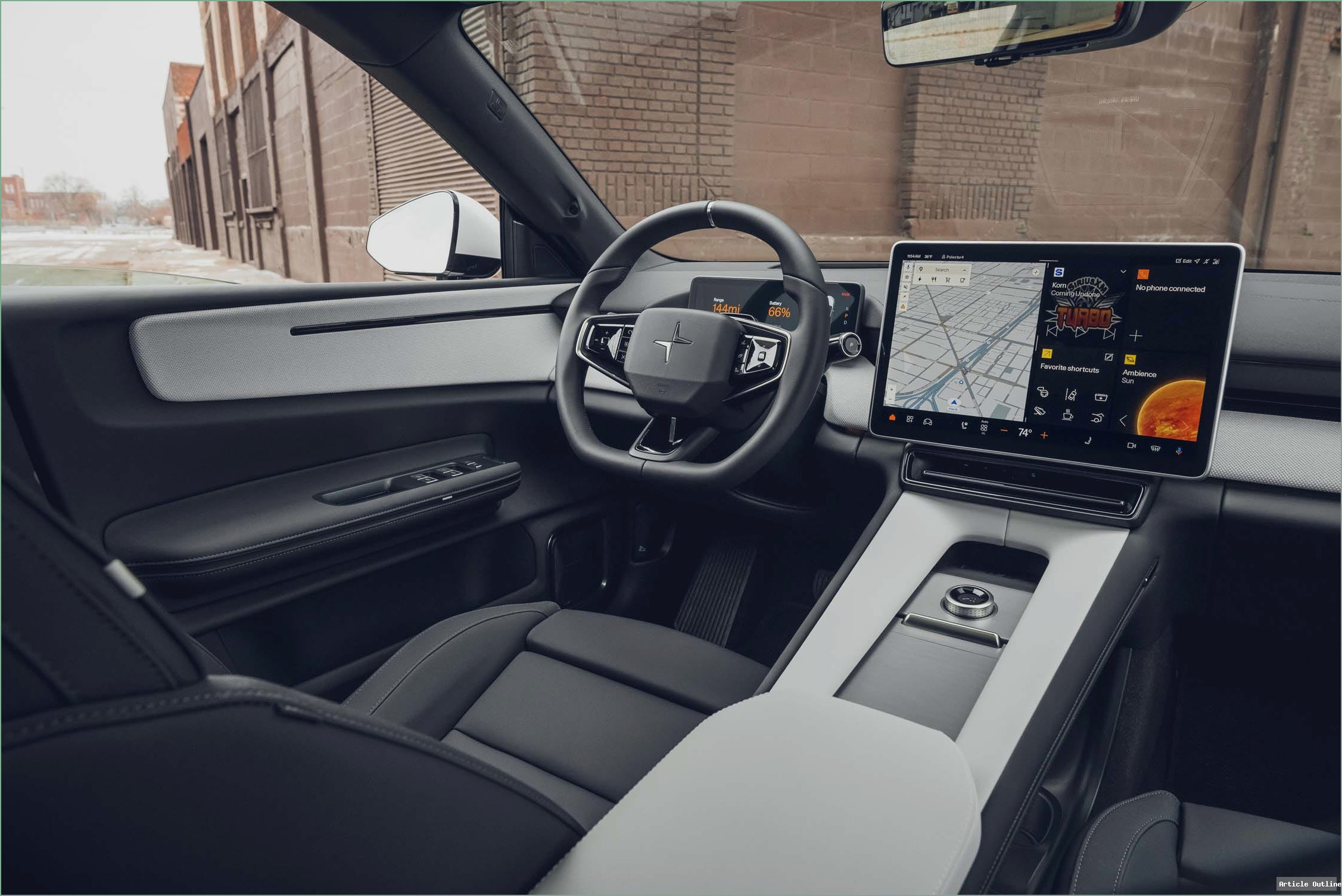
While many automakers are drowning dashboards in screens and ambient lights, Polestar’s approach is almost Zen. The cabin is defined by a clean, minimalist layout—small digital gauge cluster, massive landscape touchscreen, and a single center-dial. It’s a refreshing change, but it’s also a gamble in a market where ‘feature-rich’ is often synonymous with ‘better.’
Why This Matters
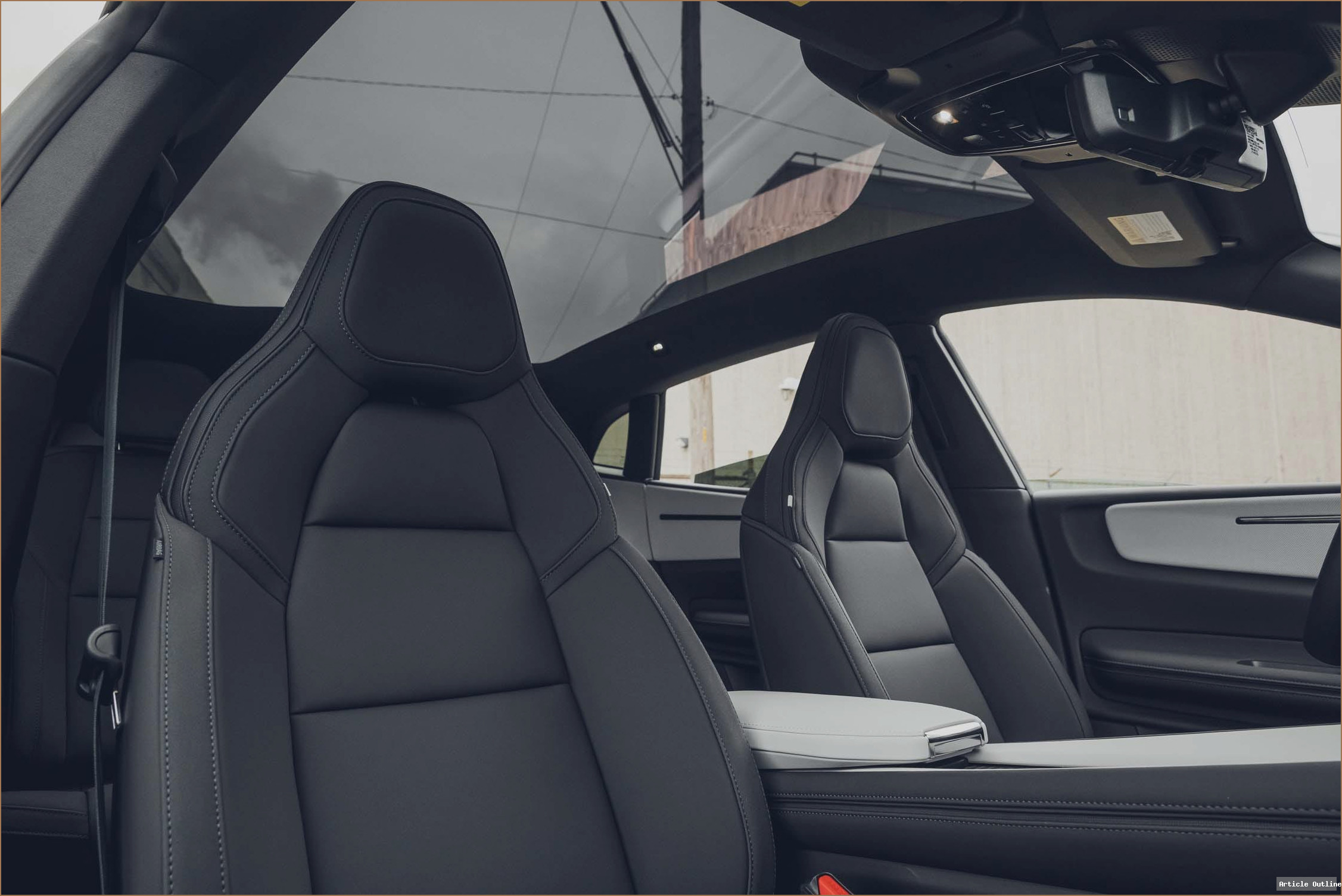
The Polestar 4’s interior is a statement about the future of automotive design: less clutter, more focus, and the courage to break with tradition. One of the most controversial choices? No rear window. Instead, a panoramic glass roof is meant to keep things airy and open, relying on cameras and screens for rear visibility. This radical move could signal a trend, especially as EVs and autonomous vehicles push boundaries on what’s ‘normal’ in car design.
- Minimalism as luxury: In a world where luxury often means more, Polestar is betting on less.
- Tech-forward, but not overwhelming: A compact gauge cluster keeps the essentials front and center, avoiding the information overload of rivals like Mercedes or Tesla.
- Infotainment gripes: The large touchscreen is visually stunning, but early feedback says it’s a bit finicky—raising questions about usability versus aesthetics.
What Most People Miss
Most reviews focus on the lack of a rear window or the big touchscreen, but here’s what’s easy to overlook:
- Physical controls aren’t dead yet. The single dial in the center console is a subtle nod to tactile feedback, something many drivers miss in fully touch-based systems.
- Strategic simplicity: By keeping the gauge cluster small and focused, Polestar avoids the ‘distraction trap’ that plagues many modern interiors.
- Light and space engineering: The panoramic roof isn’t just a style flex—it’s a practical solution to an unconventional design (no rear glass) that could have made the rear feel claustrophobic.
Key Takeaways
- The Polestar 4 interior is proof that ‘less’ can be more—when done thoughtfully.
- Usability remains a hurdle. While the digital interface looks modern, it needs refinement to match the best in the business (think: Kia’s intuitive systems or even Tesla’s continual updates).
- The EV design playbook is still being written. Polestar’s willingness to experiment could inspire or warn other brands—especially as driverless tech changes interior priorities.
Pros and Cons: Polestar 4 Interior
- Pros: Clean design, focused info display, airy cabin, quality materials, retained physical control
- Cons: No rear glass (could be divisive), finicky infotainment, potential over-reliance on cameras/screens
Industry Context
Polestar’s approach stands apart from rivals like the Tesla Model Y (hyper-minimal, but even fewer physical controls) or the BMW iX (maximalist tech, lots of screens and ambient gimmicks). The EV interior race is heating up, and it’s clear there’s no one-size-fits-all answer. Notably, 2023 saw a 65% increase in digital dashboard adoption across new EVs, but consumer surveys show a lingering preference for at least some physical buttons and dials.
The Bottom Line
Polestar’s gamble with the 2026 4’s interior is bold—maybe even visionary. If you crave simplicity without sacrificing sophistication, this might be your next EV. But if you’re not ready to give up that rear window, you might want to wait and see if this trend sticks. Either way, the Polestar 4 is a conversation starter, not a follower—and that alone makes it worth a closer look.