The long, winding investigation into the January 6 pipe bombs finally reached a breakthrough: the FBI has arrested Brian J. Cole Jr., the man they believe planted those ominous devices near the U.S. Capitol complex. But what does this mean for the justice system, public trust, and the broader fight against political violence?
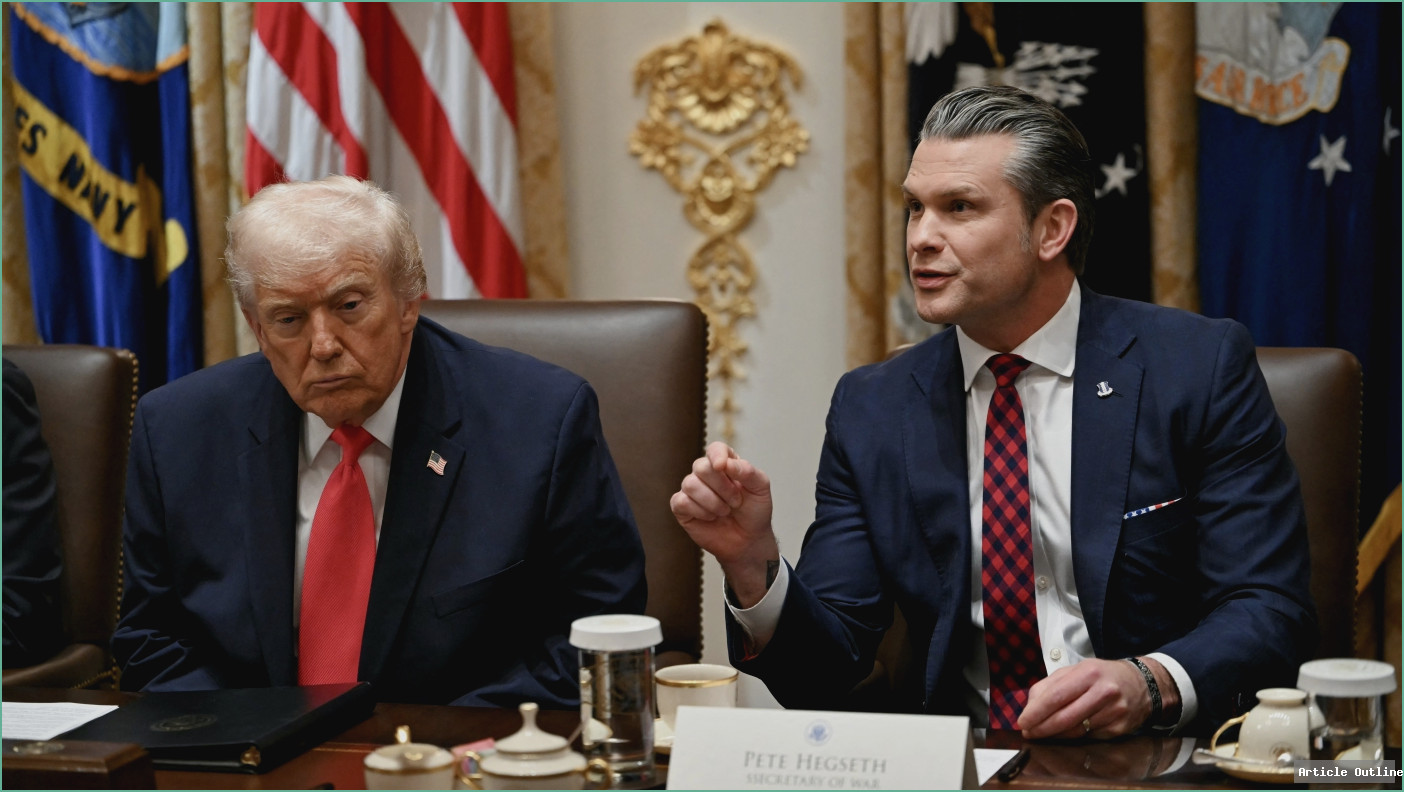
Meanwhile, lawmakers in Washington got a jarring look at another high-stakes incident—a deadly U.S. strike on an alleged drug boat in the Caribbean. Both stories highlight the tension between security, transparency, and accountability in America’s most sensitive moments. Let’s break down why these events matter beyond the headlines.

Why This Matters
- The Jan. 6 pipe bomb case was a symbol of the nation’s post-insurrection anxiety. For years, the lack of an arrest fueled conspiracy theories and eroded faith in law enforcement’s ability to protect democracy.
- The arrest of Cole Jr. is a critical test for institutional credibility—will the evidence hold up in court? Will the public accept the FBI’s findings?
- The video of the deadly boat strike reveals the moral complexity of U.S. operations abroad. Are military actions against suspected criminals justified when they lead to loss of life? How transparent should the government be with such footage?
What Most People Miss
- The pipe bomb arrest relied on a combination of old-school detective work and modern surveillance. Investigators matched financial records (purchases of bomb components) with cellphone location data. This case shows how digital footprints are now as crucial as fingerprints.
- There are still big unanswered questions about the bomber’s motives. The why—not just the who or how—will be critical for understanding the full threat. It’s possible the trial will reveal links to larger networks or motivations beyond what’s been reported.
- The Supreme Court’s decision on Texas’ congressional maps could usher in a new wave of partisan gerrymandering—with ripple effects for future elections nationwide.
Key Takeaways
- Justice Delayed, but Not Denied: It took nearly four years to make this high-profile arrest. The delay shows the challenge of investigating sophisticated crimes involving political extremism.
- Technology as a Double-Edged Sword: Surveillance tools helped close the case, but also raise concerns about privacy and government overreach.
- Transparency vs. Security: Calls to release the boat strike video reflect a growing demand for government accountability—yet officials worry about compromising operations or inflaming tensions.
- Redistricting Games: The Supreme Court’s Texas ruling signals that partisan mapmaking is alive and well, potentially shifting the balance of power in Congress for years.
Expert Commentary & Broader Context
“The Jan. 6 pipe bomb case isn’t just about catching one suspect—it’s a litmus test for restoring public confidence in federal law enforcement,” says Dr. Linda Chavez, a security analyst. “The next phase—trial and transparency—will determine if that trust is earned.”
- According to the Center for Strategic and International Studies, incidents of U.S. domestic terrorism have tripled since 2015, making high-profile arrests like this one essential for deterrence.
- The Texas redistricting case is part of a national trend: the Brennan Center reports that over 50 congressional districts nationwide have been redrawn in ways that favor one party since 2020.
Action Steps & Practical Implications
- Stay informed on the upcoming court proceedings for Cole Jr.—the details may reshape how we understand the threat landscape of political extremism.
- Watch for further Supreme Court decisions on redistricting—these rulings could affect the fairness and competitiveness of future elections.
- Demand transparency from elected officials on high-stakes security operations, while remaining aware of the balance between national security and public oversight.
The Bottom Line
The arrest in the Jan. 6 pipe bomb case is more than a law enforcement win—it’s a moment of reckoning for democracy, justice, and the power of persistent investigation. As lawmakers and the public wrestle with the ethics of military force and the fairness of election maps, these stories remind us that vigilance and accountability remain the cornerstones of a healthy republic.