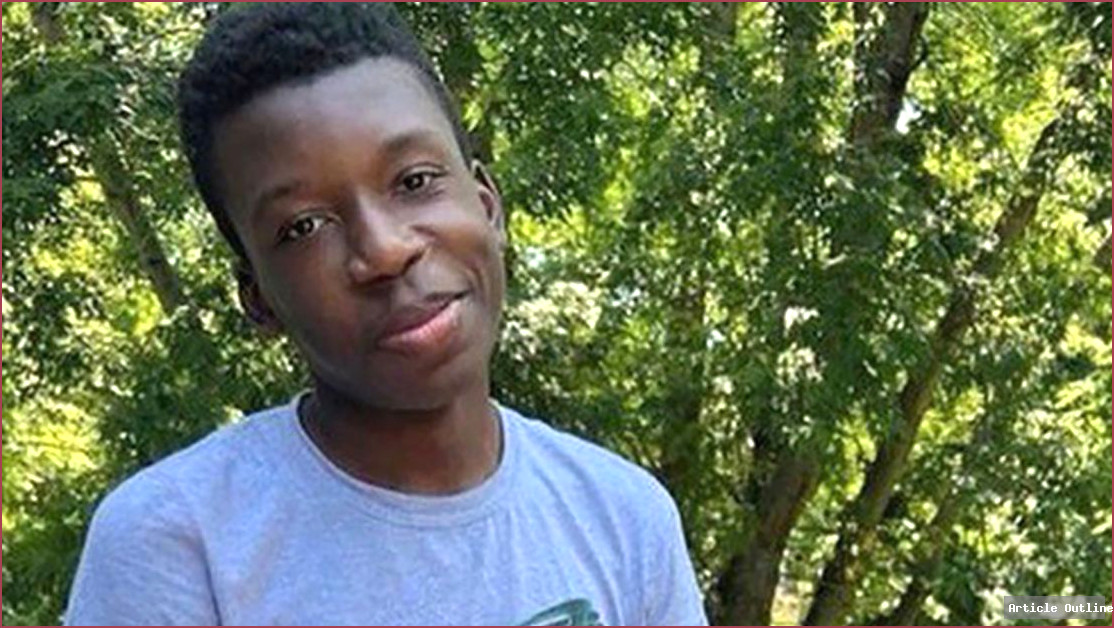
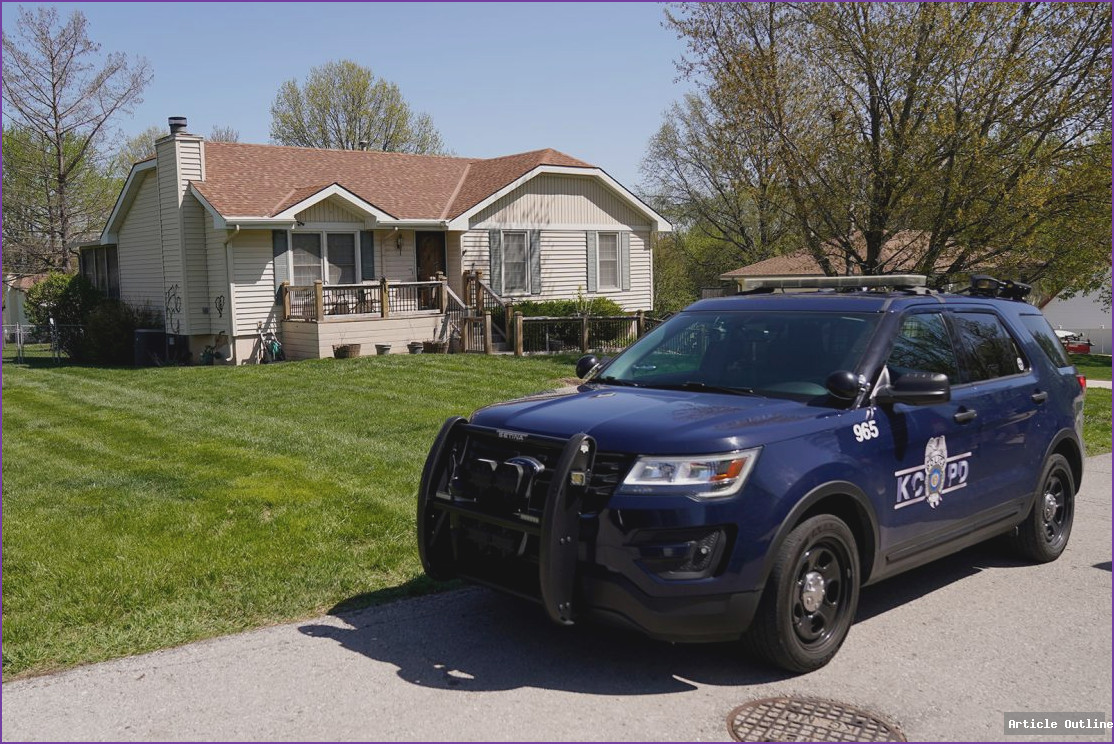
The shooting of 16-year-old Ralph Yarl—a Black teen who was simply trying to pick up his siblings—after ringing the wrong doorbell in Kansas City, is more than just another headline about gun violence. It’s a flashpoint, exposing deep fractures in America’s justice system, racial dynamics, and our national psyche around fear, guns, and the meaning of ‘self-defense.’
Andrew Lester, an 84-year-old White homeowner, faces two felony charges after shooting Ralph through a locked glass door. Lester has now turned himself in and been released on bail—raising familiar, uncomfortable questions about accountability, racial bias, and whether justice will look the same for everyone involved.

Why This Matters
- This case is not isolated—it’s part of a disturbing pattern. The incident echoes the shootings of Trayvon Martin and Ahmaud Arbery, where claims of self-defense collided with racial profiling and public outrage.
- Missouri’s ‘stand your ground’ laws could come under intense scrutiny. These laws, present in over 30 states, have been shown in multiple studies to disproportionately benefit shooters when the victim is Black.
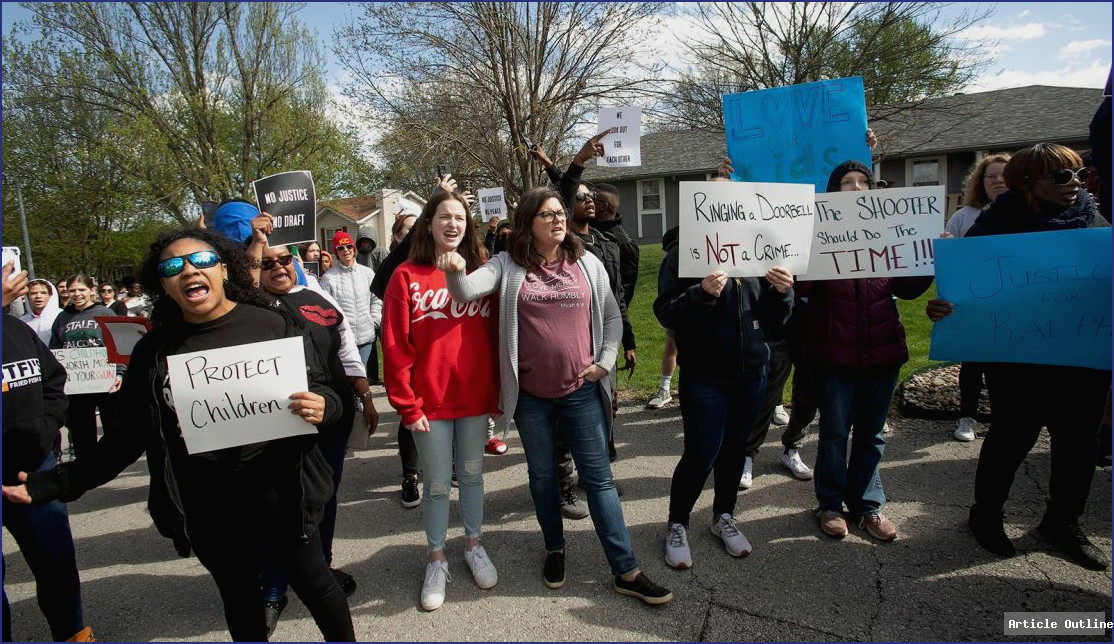
- The public response—protests, a $2 million GoFundMe, and a call from President Biden—shows this story has struck a nerve nationwide.
What Most People Miss
- The rapid release of Lester after initial detainment (less than two hours) signals systemic inconsistencies in how suspects are treated based on race, perceived threat, and public pressure.
- The narrative of ‘fear’—Lester’s justification hinged on being ‘scared to death’ by Ralph’s appearance, despite the teen’s size being contested by his family. This taps into a long history of Black youth being unfairly viewed as threatening.
- The trauma beyond the bullet wounds: Ralph, a high-achieving student and band leader, now faces a long psychological recovery, and the community is left grappling with fear and mistrust.
- Neighbors’ reluctance to help Ralph after he was shot—he went to three homes before someone assisted—underscores how fear and suspicion permeate even basic acts of compassion.
Key Takeaways
- This is about more than just one shooting—it’s a referendum on American values.
- ‘Stand your ground’ laws are under the microscope. Will they be used to justify the shooting, or will public outrage push for legal reform?
- The racial component isn’t just a footnote—it’s central. Both the mayor and prosecutor have acknowledged it, and history suggests outcomes can differ dramatically based on the race of those involved.
- Justice must mean more than charges filed—it’s about equal treatment, accountability, and community healing.
Timeline of Key Events
- April 13: Ralph Yarl is shot at Lester’s home after ringing the wrong doorbell.
- Lester is detained, questioned, and released within hours.
- April 17: Charges are announced. Protests erupt across Kansas City.
- April 18: Lester turns himself in and is released on $200,000 bail.
- Ongoing: Public debate intensifies around race, self-defense laws, and gun violence.
Analysis: The Pros and Cons of ‘Stand Your Ground’ Laws
- Pros: Supporters argue these laws empower individuals to protect themselves without fear of prosecution, potentially deterring crime.
- Cons: Critics highlight a 2017 study by the Urban Institute showing that when the shooter is White and the victim is Black, homicides are deemed justifiable five times more often than when the situation is reversed.
Action Steps & Practical Implications
- Call for a federal review of ‘stand your ground’ statutes and their real-world impact.
- Increased investment in community education about implicit bias, de-escalation, and nonviolent conflict resolution.
- Support trauma services for survivors—not just physical recovery but mental health care.
The Bottom Line
This shooting is a mirror held up to America—forcing us to confront the consequences of our laws, our biases, and our choices around who gets to feel safe and who doesn’t. The coming trial, and the nation’s response, will say a lot about whether we’re willing to do the hard work of change or simply move on to the next headline.
Sources:
- Source
- Trayvon Martin Case
- Ahmaud Arbery Case
- Stand Your Ground Law Explainer
- GoFundMe for Ralph Yarl