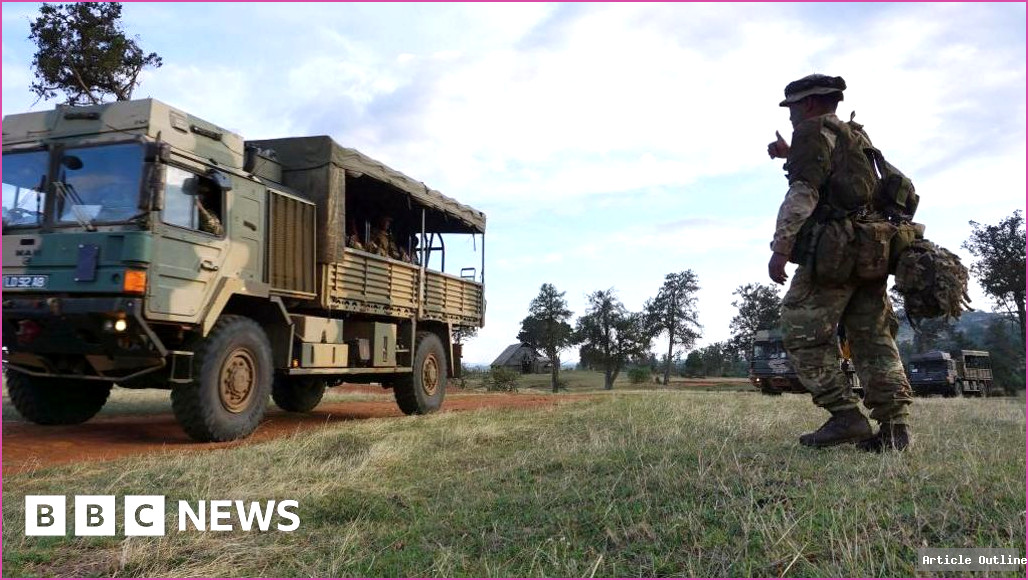
Kenya’s Parliament has delivered a damning verdict on the British Army Training Unit Kenya (Batuk), exposing decades of alleged sexual abuse, killings, environmental harm, and systemic impunity by UK soldiers stationed in Laikipia and Samburu counties. This explosive report is more than a diplomatic flare-up—it’s a watershed moment for Kenyan sovereignty, justice, and the global conversation around foreign military accountability.
Why This Matters
- Foreign troops operating with near impunity in host countries isn’t just a relic of colonial history—it’s a modern crisis. The Kenyan case highlights persistent power imbalances in military cooperation agreements and the risks they pose to local communities.
- Allegations of sexual violence, environmental damage, and extrajudicial killings—when ignored—erode trust in both local and international justice systems. This case sets a precedent for how post-colonial nations might renegotiate their relationships with former colonial powers.
- It’s a warning shot for other countries hosting foreign military forces, particularly in Africa, Asia, and the Middle East, to scrutinize the fine print of Status of Forces Agreements (SOFAs).
What Most People Miss
- The pattern of obstruction: The report alleges Batuk repeatedly dodged parliamentary summons and invoked diplomatic immunity, which raises questions about the true accountability mechanisms in place.
- Structural legal gaps: Murder is not explicitly excluded from the scope of “official duties” under the current UK-Kenya defense agreement, making prosecution nearly impossible—a loophole that would boggle the mind of any justice reformer.
- Environmental fallout is not just collateral—it’s generational. Reports of miscarriages, livestock deaths, and children maimed by unexploded ordnance paint a grim picture of long-term harm.
- Economic and social impacts go beyond headlines: Dozens of children fathered and abandoned by UK soldiers have created a legacy of stigma and poverty for single mothers.
Key Takeaways
- Kenya’s report is a rare, high-level confrontation with a powerful ally, demanding the UK own up to past and present wrongs.
- The UK’s response—regret, but limited action—shows the inherent difficulty of holding foreign militaries to account, especially when military agreements are vague or biased.
- This is far from an isolated incident: Similar issues have plagued US bases in Okinawa, French troops in West Africa, and Russian deployments in Eastern Europe.
- Action Steps Proposed by Kenya’s Committee:
- Amend the military agreement to establish clear codes of conduct and zero-tolerance for gender-based violence.
- Create mechanisms for environmental oversight and compensation.
- Enforce child support obligations for children fathered by foreign soldiers.
- Introduce civilian oversight of military activities.
- The Agnes Wanjiru case—where a Kenyan woman was murdered in 2012, allegedly by a British soldier—remains emblematic of the slow, frustrating crawl toward justice when jurisdiction is muddied by international agreements.
Industry & Geopolitical Context
- Globally, SOFAs (Status of Forces Agreements) often give wide-ranging immunity to foreign troops, a legacy of Cold War-era alliances. Many are overdue for reform, especially as host nations demand more autonomy and accountability.
- British forces train over 1,000 Kenyan soldiers annually, while thousands of UK troops rotate through Kenya. This deep military partnership is valuable—but must evolve to reflect modern standards of justice and mutual respect.
- Other countries are watching: Ghana, Nigeria, and South Africa have all raised concerns about foreign military conduct in recent years. Kenya’s bold approach could inspire similar reckonings elsewhere.
The Bottom Line
This isn’t just about past abuses—it’s about rewriting the rules of international military cooperation for the 21st century. Kenya’s Parliament has thrown down the gauntlet, demanding respect for human rights, environmental safety, and community dignity. Will the UK—and other countries with troops abroad—rise to the challenge, or will diplomatic immunity continue to serve as a shield for impunity?

“Batuk is increasingly seen as an occupying presence rather than a development partner, with affected residents drawing parallels to colonial injustices.” — Kenyan Parliamentary Report
Sources:
- Source
- UK Ministry of Defence Statement to the Kenyan Parliamentary Committee
- Kenyans prove paternity case against UK soldiers