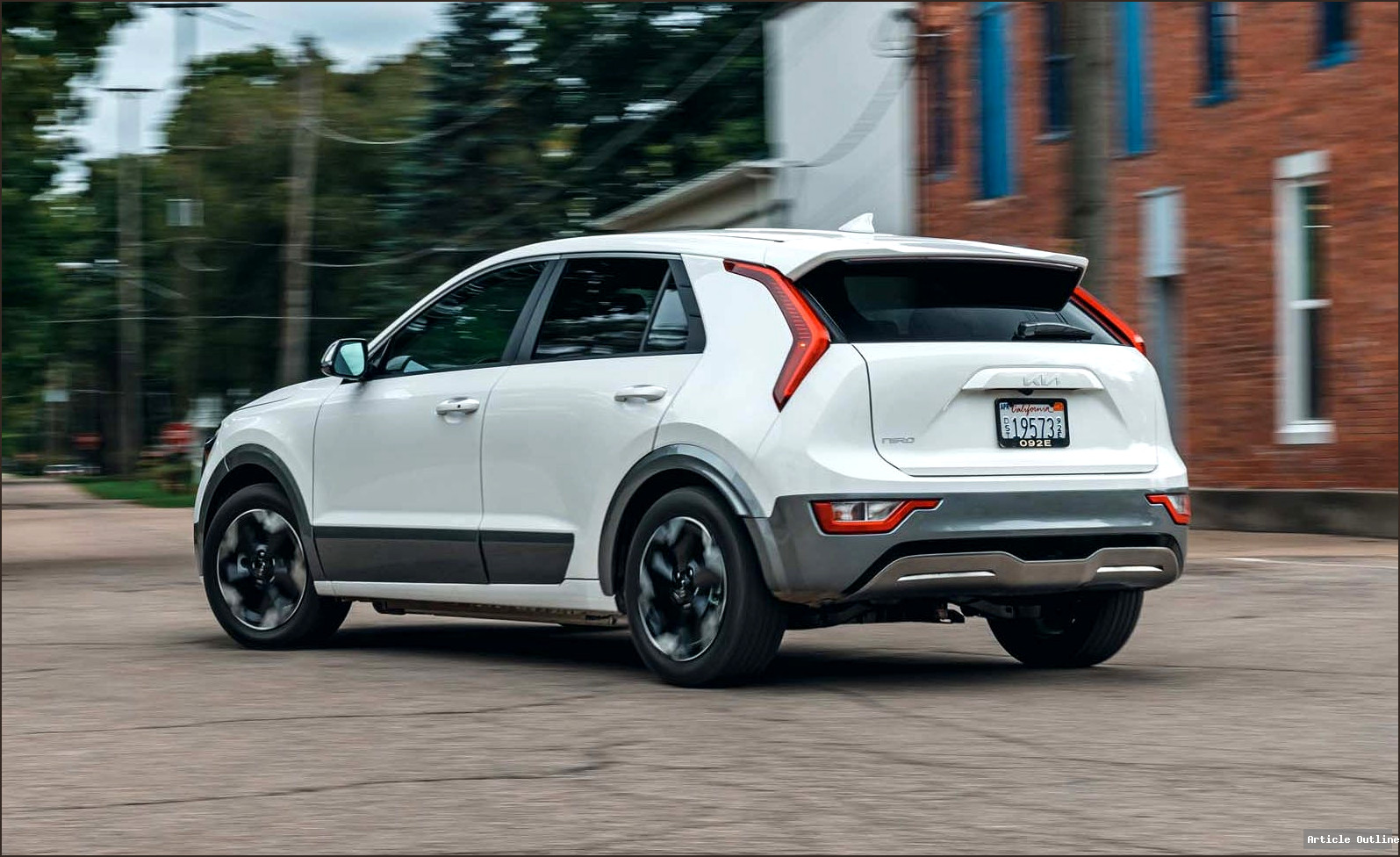
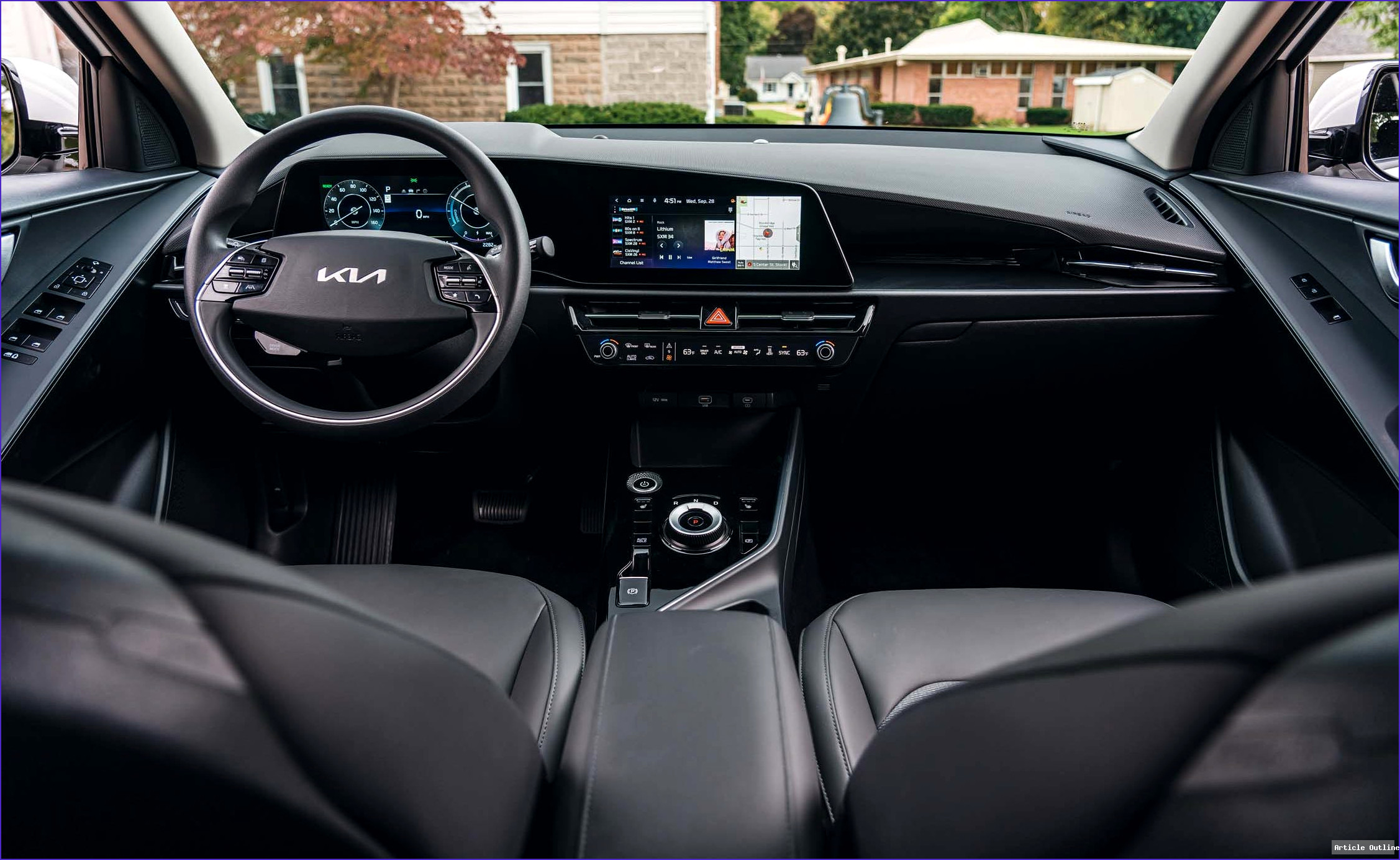
The news is out: Kia is discontinuing the Niro EV, trimming its electric lineup and leaving only the hybrid variant of the subcompact SUV in production—at least for now. While this may look like just another model swap, there’s a lot more here than meets the eye, and Kia’s move sends ripples through the EV market and consumer expectations.
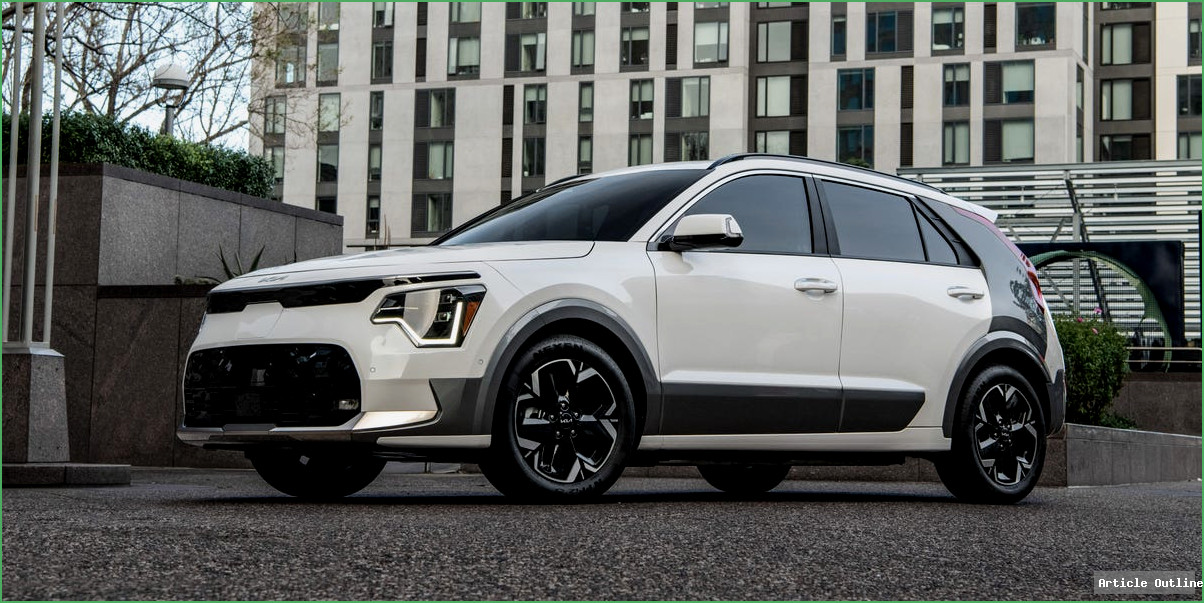
Why This Matters
- The Niro EV’s exit is part of a bigger trend—mainstream automakers are now pausing, tweaking, or outright canceling some EV plans as the market finds its footing.
- Affordability is under threat. The Niro EV was one of the more budget-friendly electric crossovers, but its higher price compared to rivals (like the Hyundai Ioniq 5 and Tesla Model Y) likely sealed its fate.
- This could be a warning shot for other non-luxury EVs—if sales and margins don’t add up, automakers may reconsider their electric offerings.
What Most People Miss
- The Niro EV’s price ($41,195) made it more expensive than several competitors, even though it offered less range and performance. For example, the Hyundai Ioniq 5 (starting at $36,600 after price cuts) offers a better range and more power on a purpose-built EV platform.
- The impact of import tariffs is often overlooked. The Niro EV, built in South Korea, faces stiff import duties, whereas rivals like the Ioniq 5 and EV6—assembled in Georgia—avoid these costs. That difference matters in a price-sensitive segment.
- The Niro PHEV is gone too. Last month, Kia also discontinued the plug-in hybrid version, signaling a strategic pivot toward hybrids and more competitive EVs on dedicated platforms.
- Hyundai Kona Electric (the Niro’s cousin) is also in limbo, skipping the 2026 model year with no guarantees of a return.
Key Takeaways
- Kia is realigning its EV strategy to focus on models with stronger sales, better margins, and more advanced technology.
- The traditional hybrid Niro is being refreshed in South Korea, but it’s uncertain if the U.S. will see the update. If it does, expect a hybrid-only lineup.
- Kia’s move isn’t an isolated case—other brands are also rethinking EV rollouts as consumer adoption slows and competition heats up.
Timeline: Kia Niro’s Recent Journey
- 2022-2025: Niro offered in hybrid, PHEV, and EV forms.
- Early 2024: Refreshed Niro unveiled in Korea (with no EV or PHEV).
- March 2024: Kia confirms Niro EV and PHEV discontinuation.
- Future: Hybrid may continue—U.S. availability uncertain.
Pros and Cons: The Niro EV’s Legacy
- Pros: Accessible entry into EVs, good efficiency, practical size, familiar Kia reliability.
- Cons: Pricey versus rivals, modest range (253 miles), not built on a dedicated EV platform, subject to tariffs.
Industry Context and Broader Implications
- EV sales growth is slowing as early adopters are joined by more cautious mainstream buyers.
- Legacy automakers are recalibrating—Ford, GM, and Volkswagen have all delayed or revised EV launches in recent months.
- Government incentives and tariffs play a bigger role than many realize in making or breaking a model’s viability.
- We may see a “hybrid renaissance” as brands hedge EV bets with proven, efficient hybrid models.
The Bottom Line
The death of the Kia Niro EV is more than a product update—it’s a signal that the affordable EV landscape is shifting fast. If you’re eyeing an electric car, watch for evolving incentives, tariffs, and tech upgrades. For now, hybrids may once again be the sweet spot between price, practicality, and environmental responsibility.
Sources:
- Car and Driver
- The Korea Herald
- InsideEVs
- Hyundai Ioniq 5
- Tesla Model Y
- Hyundai Kona Electric
- Kia Niro PHEV Discontinued
- 2027 Kia Niro Facelift
- Kona Electric Skipping 2026