Lightning Lap isn’t just a track test – it’s a crystal ball for the next era of performance cars. Every year, the automotive world turns its gaze to Virginia International Raceway as Car and Driver assembles the latest, wildest, and most ambitious machines to see who can conquer America’s toughest circuit. But if you think this is just about lap times, you’re missing the real story.
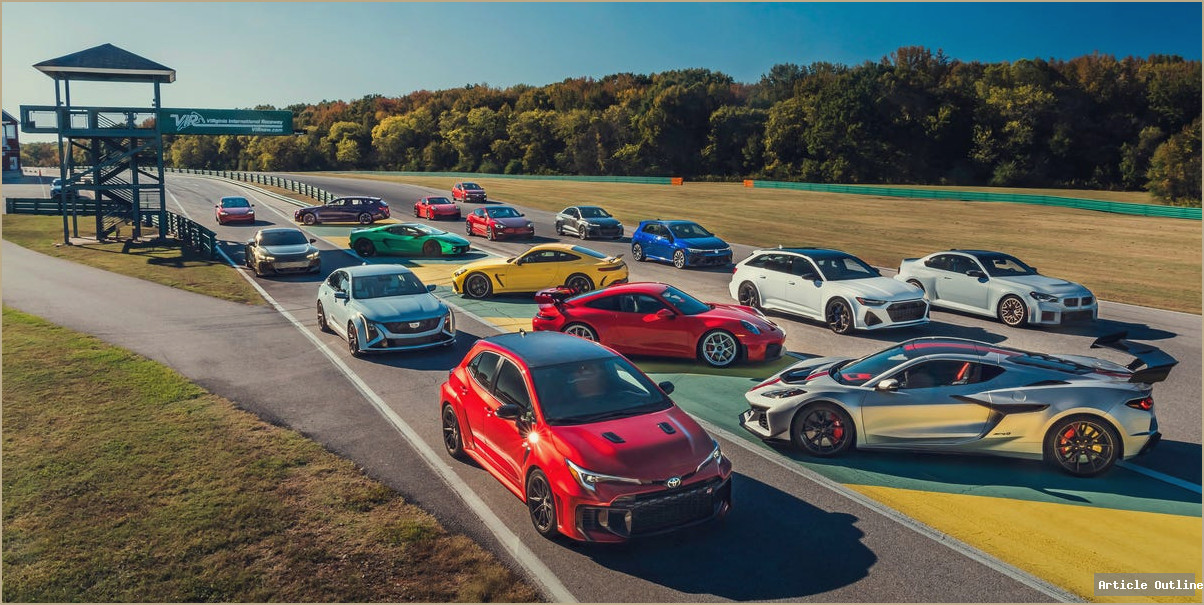
This year’s Lightning Lap wasn’t just a test of speed. It was a snapshot of a rapidly evolving industry, where electrification, technology, and even classic analog thrills are battling it out for the soul of the modern performance car. From a 1020-hp Tesla Model S Plaid that can finally take the heat, to a manual Porsche 911 GT3 and a Lamborghini that sings to 10,000 rpm, the field has never been more diverse—or more competitive.
Why This Matters
- Performance isn’t just horsepower anymore. In 2026, agility, technology, resilience, and driver connection are as crucial as raw numbers.
- The EVs are here to play for real. Past Model S Teslas wilted under track stress, but this year, the Plaid survived and thrived. The Audi RS e-tron GT and Model 3 Performance proved electric cars aren’t just for straight lines.
- Hybrids and manuals still have a place. Porsche’s first hybrid 911 and the return of a manual GT3 show there’s no single path to performance.
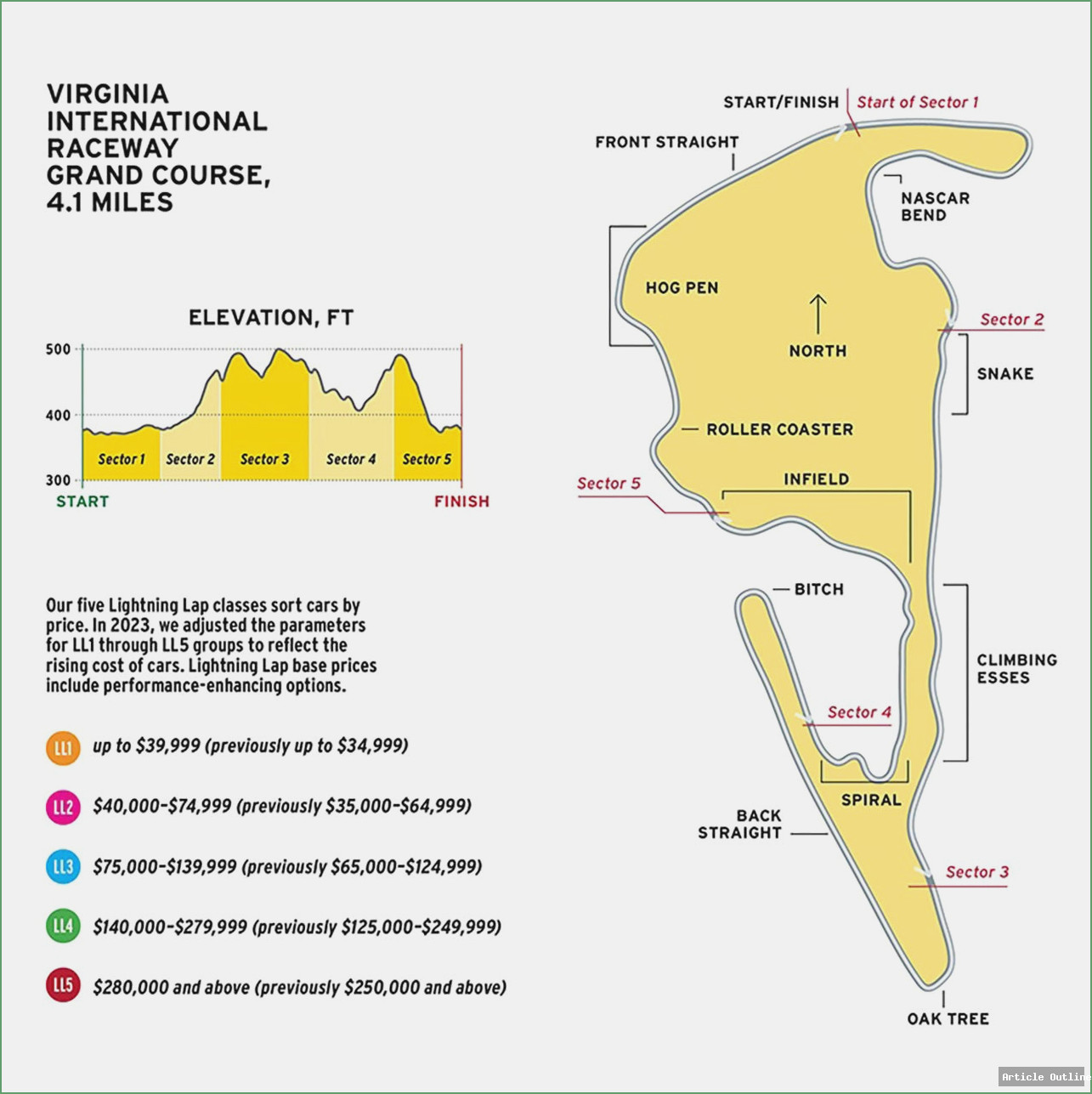
- Price segmentation is key for fairness. Comparing a Golf R to a Corvette ZR1 is apples and space shuttles—Car and Driver’s tiered classes (LL1, LL2, etc.) keep it real.
Key Takeaways
- Track stamina is the new benchmark: No more one-lap wonders. Cars must survive repeated abuse—an area where EVs have caught up.
- Classics vs. Moderns: The inclusion of a boss’s 1995 Porsche 911 is a nod to heritage, but its lap time (with 270 hp and 3035 lbs) highlights just how far technology has come.
- Manufacturer bravado (and drama): Not all automakers want to risk coming in second to a rival. Ford’s Mustang GTD missed the event due to damage, but Lamborghini swapped in a backup Temerario in hours. That’s commitment—and confidence.
- Coaching and tech matter: BMW’s M5 wagon arrived with a pro racer to help extract every last tenth. Driver skill and knowledge are now as important as spec sheets.
What Most People Miss
- Lap times are just the tip of the iceberg. The real insight comes from where each car excels or struggles—VIR’s 24-turn Grand Course exposes flaws you’ll never see on paper.
- Everyday cars are pushing into supercar territory. The Audi RS6 Avant Performance and BMW M5 Touring are wagons with over 600 hp. Practicality doesn’t mean slow anymore.
- Performance options aren’t just for show. The ‘as tested’ prices reflect the real cost of lapping these cars as they were run—sometimes tens of thousands more than base.
Industry Context & Trends
- Electrification is rapidly closing the gap. With battery cooling and software tweaks, the latest EVs now hold their own over an entire session. The Model S Plaid’s previous track meltdowns are history.
- Hybridization is moving upscale. The 911 Carrera GTS hybrid isn’t a penalty box—it’s a performance tool. Expect more high-end hybrids in coming years, especially as emissions rules tighten.
- Driver engagement is still prized. The arrival of a manual GT3 is a clear response to enthusiast demand, even as automatics and dual-clutch transmissions dominate.
Timeline: Lightning Lap Evolution
- 2006: Lightning Lap debuts at VIR’s 4.1-mile Grand Course.
- 2016: First Tesla Model S laps—struggles with overheating.
- 2026: 357th car tested, field includes EVs, hybrids, wagons, and classic analog sports cars.
Pros & Cons: 2026 Lightning Lap Contenders
- EVs:
- Pros: Instant torque, cooling improvements, now track-capable.
- Cons: Weight penalty, still expensive, charging logistics for multiple hot laps.
- ICE/Hybrid:
- Pros: Lighter, often more engaging, classic soundtracks.
- Cons: May lack outright power of top EVs, emissions constraints looming.
Action Steps & Implications
- Buyers: Don’t shop by lap time alone—consider track stamina, driver enjoyment, and total ownership cost.
- Manufacturers: The gauntlet has been thrown. If your flagship can’t finish a VIR lap, you’re out of the running in 2026.
The Bottom Line
Lightning Lap 2026 proved the performance landscape is more exciting—and unpredictable—than ever. The mix of electrics, hybrids, and traditional powerhouses shows that the future is anything but settled. The only thing certain? Next year’s battle will be even more intense.