In a bold move that signals a seismic shift in the design and tech landscape, Meta has recruited Alan Dye, the creative force behind Apple’s iconic user interfaces for the past decade, to lead a new creative studio in Reality Labs. This isn’t just a high-profile hiring—it’s a strategic play with far-reaching implications for the future of how we interact with technology.
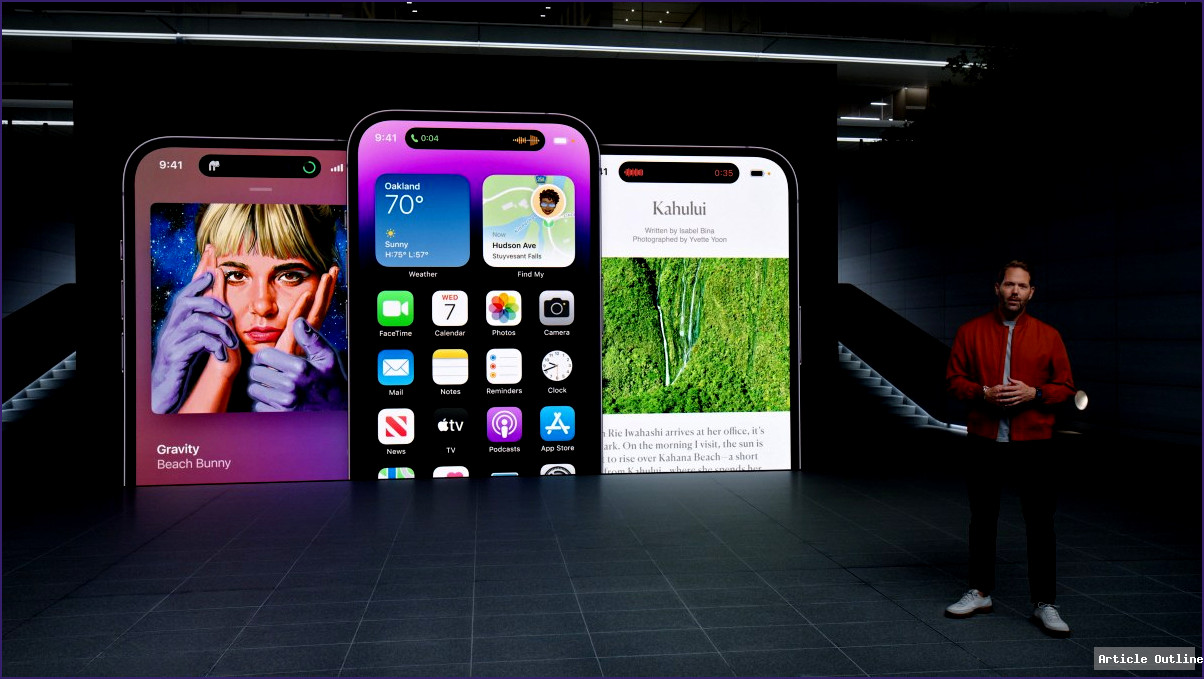
Let’s break down why this matters, what most are missing, and what you should be watching for as Meta and Apple reshape the battleground for the next generation of hardware and AI-powered experiences.
Why This Matters
- Meta isn’t just poaching a designer—it’s importing Apple’s design DNA. Dye shepherded the look and feel of iOS, macOS, and more. His move marks Meta’s intent to rival Apple in making tech beautiful, intuitive, and indispensable.
- The new creative studio isn’t about incremental upgrades. Mark Zuckerberg’s vision is to blend design, fashion, and technology—treating AI as a “design material” rather than just a feature. This could result in hardware that feels as magical as early iPhones did, but for VR, AR, and AI devices.
- Consumer expectations are skyrocketing. With Apple and Meta now going head-to-head via their design talent, expect a rapid escalation in how seamless, human-centered, and emotionally resonant our gadgets become.
What Most People Miss
- Dye isn’t alone: He joins a cadre of ex-Apple and top Meta designers (Billy Sorrentino, Joshua To, Pete Bristol, Jason Rubin) with deep expertise in both hardware and digital experiences.
- Meta’s ‘AI as Design Material’ mantra: This isn’t just a slogan. It’s a radical rethink of how devices anticipate, interact, and adapt to users—not unlike Apple’s leap from the iPod to the iPhone. The idea is to make intelligence feel woven into the very fabric of the device, not tacked on.
- Meta’s aggressive recruitment from rivals isn’t new— but delivering homemade soup to lure OpenAI talent? That’s a taste of just how competitive and personal the AI talent wars have become.
Key Takeaways
- Design is the new battleground: As hardware differences narrow, the companies who win hearts (and wallets) will be those who make technology feel natural, delightful, and invisible.
- AI-powered devices are about to get a lot more user-friendly: With Dye at the helm, expect Meta’s next smart glasses, VR headsets, and other gadgets to feature interfaces that are as easy and beautiful as iPhone, but powered by on-device AI.
- Industry context: In 2023, global AR/VR shipments hit 10 million units (IDC), but the market is hungry for a breakout product. This new studio could deliver just that.
- Talent wars are reshaping Big Tech: The battle for the world’s best designers and AI thinkers is only intensifying. Expect more high-profile defections and creative cross-pollination ahead.
Timeline: Key Moves Shaping the Future
- 2015-2025: Alan Dye leads Apple’s UI team, shaping products used by over 1 billion people.
- 2023-2025: Meta accelerates hiring from rivals, especially in AI and design.
- December 2025: Dye’s move and Meta’s new studio announced, with a mandate to “define the next generation of products and experiences.”
Pros and Cons: Meta’s New Design Dream Team
- Pros:
- Injects proven design excellence into Meta’s product pipeline
- Blends hardware, software, AI, and aesthetics in new ways
- Increases Meta’s credibility among designers and early adopters
- Cons:
- Risk of “culture clash” as ex-Apple talent adapts to Meta’s speed and scale
- High expectations—will Meta’s hardware finally “just work”?
The Bottom Line
Alan Dye’s jump to Meta is more than a recruitment coup—it’s a declaration that the future of tech will be won by those who make intelligence feel human, accessible, and beautiful. If Meta’s new studio succeeds, we could soon see smart devices that don’t just look good, but intuitively know what you want before you do. And for Apple? The design gauntlet has just been thrown down—expect their next moves to be just as bold.