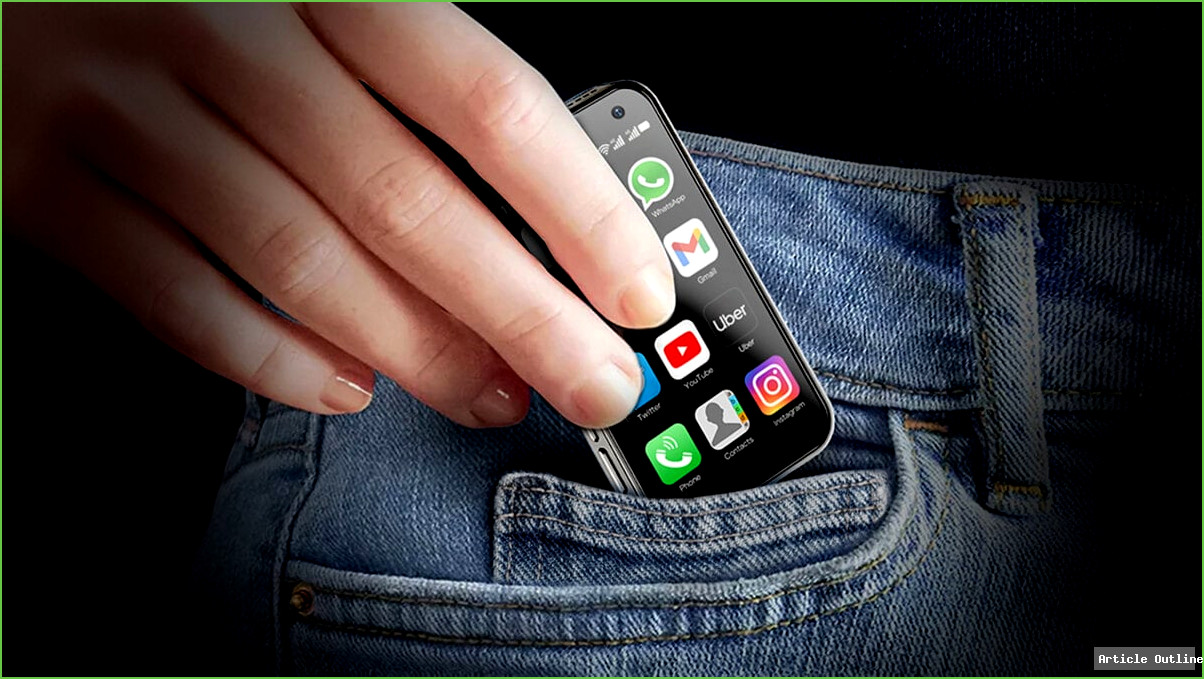
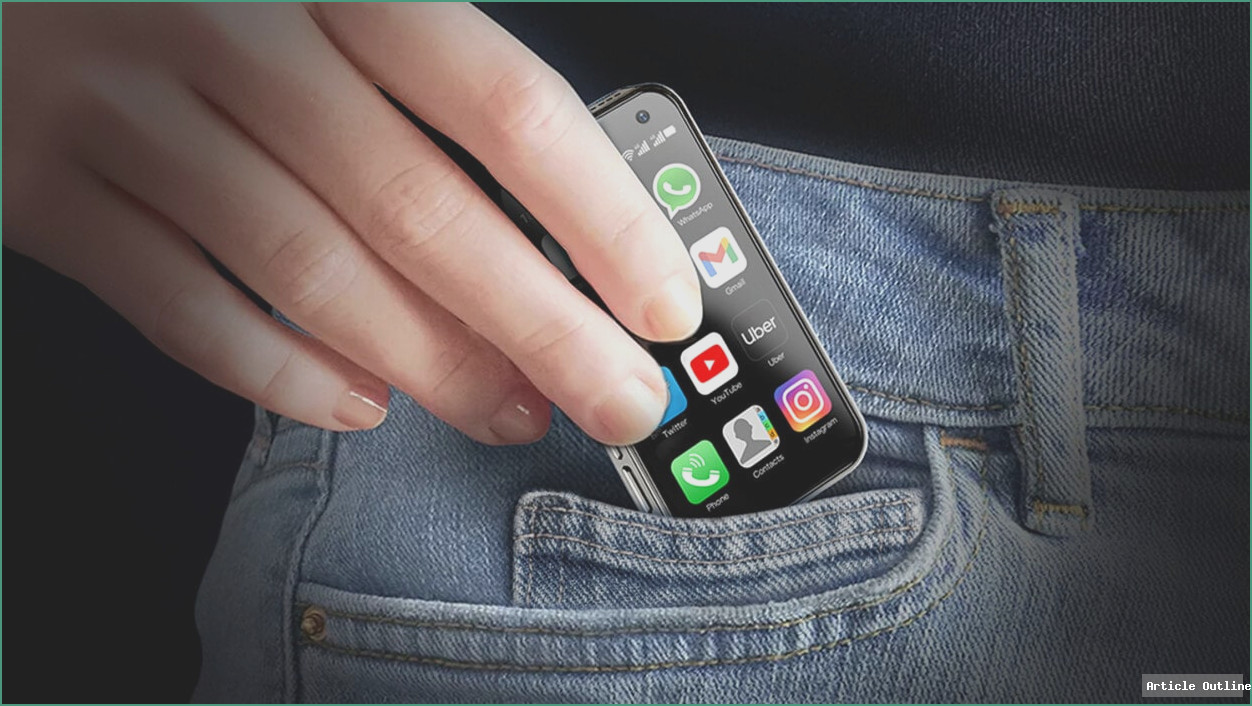
If you thought the era of shrinking tech was over, think again. The NanoPhone—a fully-functional smartphone barely bigger than a credit card—has hit the market for just $85 (for a limited time), and it’s not just for gadget collectors or pranksters. This petite powerhouse is rewriting the rules for what a smartphone can be, and it’s packed with lessons for both tech fans and industry leaders.
Why This Matters
- Redefining Mobility: In a world obsessed with larger screens and more features, NanoPhone challenges the status quo by proving that less can sometimes be more—especially for those who value portability over power.
- Accessibility & Affordability: At $85, it democratizes smartphone access for kids, seniors, travelers, and minimalists—groups often overlooked by flagship models costing $800 and up.
- Backup and Safety: As a secondary or emergency phone, its tiny footprint means you can stash it anywhere—your wallet, glove compartment, or even running belt. This can be a literal lifesaver in emergencies or travel mishaps.
What Most People Miss
- It’s Not Just a Toy: Running Android 10 with dual SIM, 4G, Wi-Fi, and front/rear cameras, NanoPhone is a real smartphone. You can browse, video chat, or even scroll Instagram—it’s not a dumbphone, but a smart, small phone.
- Privacy and Digital Detox: Its small screen and simple design make it less addictive. This is perfect for people seeking to reduce screen time without being completely off-grid.
- A New Trend? The surge in mini-phones (think: Palm Phone, Unihertz Jelly) reflects a growing micro-mobility movement—compact tech for life on the go.
Key Takeaways
- Size: About the size of a credit card; weighs just 2.8 ounces.
- Features: Android 10, Dual SIM, 4G, Wi-Fi, front & rear cameras, supports major apps.
- Best For: Backup phone, travel, music festivals, kids, ultralight EDC, or anyone who hates carrying a brick in their pocket.
- Deal: $84.97 (MSRP $199.99) until Dec. 7, 11:59 p.m. PT—a 57% markdown.
Real-World Use Cases
- Parents: Give your kid a safe, limited device for basic communication.
- Travelers: Use as a backup or local SIM phone—great for avoiding roaming charges or theft.
- Festival-Goers & Runners: Stay connected without risking your flagship device.
Pros & Cons
- Pros: Ultra-portable, full smartphone features, affordable, less distracting.
- Cons: Small screen limits productivity, basic cameras, not ideal for heavy multitasking or gaming.
Industry Context & Comparisons
Remember the Palm Phone or Unihertz Jelly? Both tried the mini-formula, but at higher prices and mixed reviews. The NanoPhone undercuts them on price and, crucially, on bulk. With smartphone average screen sizes now over 6.5 inches, the NanoPhone feels almost rebellious—a call-back to the original mobile ethos of “just enough to stay connected.”
Globally, the demand for secondary and minimalist phones is actually rising. According to IDC, shipments of “feature phones” (non-smartphones) still approach 300 million units annually, proving there’s a market for simple, affordable connectivity.
The Bottom Line
The NanoPhone isn’t a replacement for your flagship device—but that’s the point. It’s a statement about what you really need in your pocket, and a smart, affordable tool for those times when carrying less is more. Whether you want to keep your kid connected, travel light, or just have a conversation starter, it’s a win at this price.