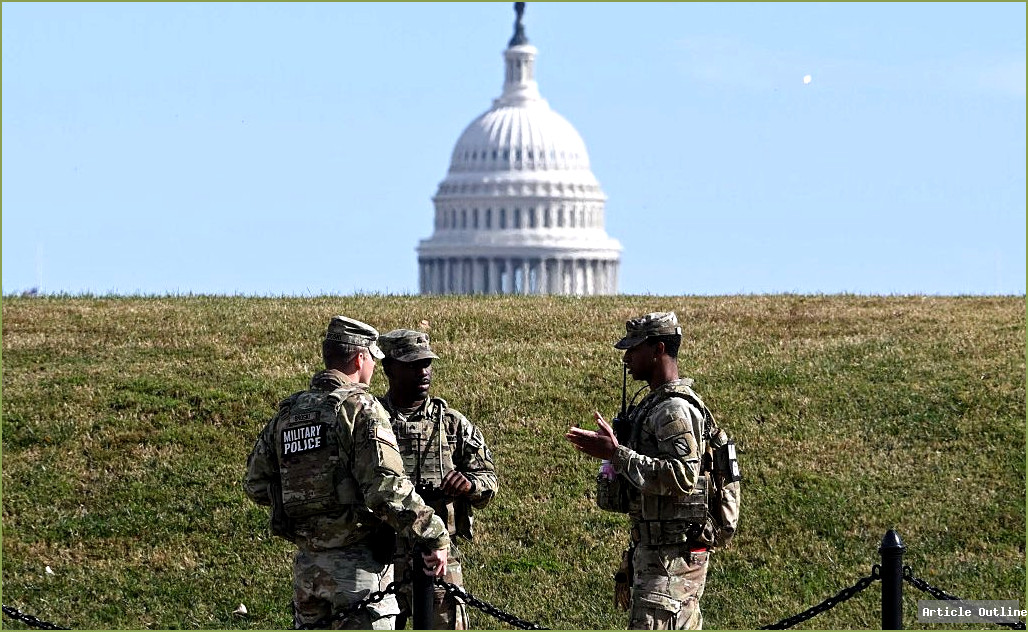
The recent deployment—and subsequent legal battle—over National Guard troops in Washington, D.C. is far more than a headline about crime-fighting or presidential authority. It’s a flashpoint in America’s ongoing struggle with the limits of executive power, the militarization of civil spaces, and the tangled web of federal, state, and local control. Let’s dig into why this standoff matters, what’s really happening beneath the surface, and what most media coverage is missing.
Why This Matters
- Checks and Balances at Stake: The federal judge’s ruling against President Trump’s deployment of the National Guard to D.C. isn’t just a bureaucratic slap on the wrist—it’s a fundamental test of the separation of powers. If a president can unilaterally deploy military forces for domestic policing, what’s left of Congressional oversight?
- Precedent for Future Crises: How this legal drama resolves will set a precedent for future presidents—Democrat or Republican—looking to use the military during times of civil unrest or perceived emergency.
- Civilian-Military Boundaries Blurred: With National Guard troops now cleaning parks and detaining civilians in the nation’s capital, the line between military and civilian law enforcement has rarely been murkier.
What Most People Miss
- Crime Is Actually Down: Despite the rhetoric, DC’s violent crime rate hit a 30-year low last year—and has dropped another 28% this year. The deployment comes even as crime falls, not rises, raising questions about the real motivations behind the operation.
- The Posse Comitatus Act: This 1878 law restricts the use of the military for domestic law enforcement. The current deployments dance on the edge of this prohibition. Legal experts warn that ignoring these boundaries could erode civil liberties over time.
- National Guard Is Not a Monolith: The troops in DC aren’t just locals—they hail from West Virginia, Illinois, and other states. Governors in blue states have opposed deployments, creating a patchwork of legal challenges and political defiance.
- Unintended Consequences: The shooting that left a Guardsman dead and another wounded is a tragic reminder: putting military personnel in civilian policing roles adds risk for everyone involved—including the troops themselves.
Key Takeaways
- Legal Limbo: Judge Cobb’s ruling puts the deployment on a ticking clock, with a Dec. 11 deadline unless the Trump Administration’s appeal prevails.
- Political Theater: Deployments in Democratic-led cities like LA, Memphis, and Chicago have been repeatedly blocked in court, highlighting the politicization of public safety and immigration enforcement.
- Numbers Don’t Lie, But Spin Persists: Claims of “no murders in six months” are demonstrably false—there have been 62 homicides in DC since May, but the homicide rate is down sharply year-over-year.
- Immigration Policy Is Intertwined: The National Guard deployments are closely linked with aggressive ICE operations, sweeping immigration raids, and controversial restrictions on international students and workers.
Timeline: The Escalating National Guard Saga
- August 11: Trump declares a public safety emergency, invokes the Home Rule Act, and deploys 800 DC National Guard troops.
- September-October: Deployments in LA, Memphis, Chicago, and Portland spark lawsuits and are blocked or limited by courts.
- November 10: West Virginia judge allows state deployment to DC, dismisses ACLU lawsuit.
- November 20: Federal judge rules Trump’s DC deployment is illegal; order stayed until December 11.
- After November 20: Trump orders an additional 500 troops to DC after a fatal shooting involving Guardsmen.
Pros & Cons: National Guard Deployments for Domestic Policing
- Pros:
- Rapid response to perceived emergencies
- Extra manpower for public safety operations
- High-visibility deterrent effect (at least in theory)
- Cons:
- Potential violation of federal and state law
- Risk of escalating violence and tragic incidents
- Undermines civilian control and local governance
- Blurs lines between military and police roles
The Bottom Line
The use of the National Guard in D.C. is more than a policy debate—it’s a constitutional stress test. What happens next could reshape the boundaries of presidential authority and the use of military force on American soil for years to come. Expect more legal fireworks and political posturing, but don’t overlook the deeper questions about democracy, accountability, and the true purpose of the military in civil society.