Israeli Prime Minister Benjamin Netanyahu has officially requested a presidential pardon amid his ongoing corruption trial—a move that has not just stunned the political establishment, but also raised profound questions about the future of Israeli democracy.
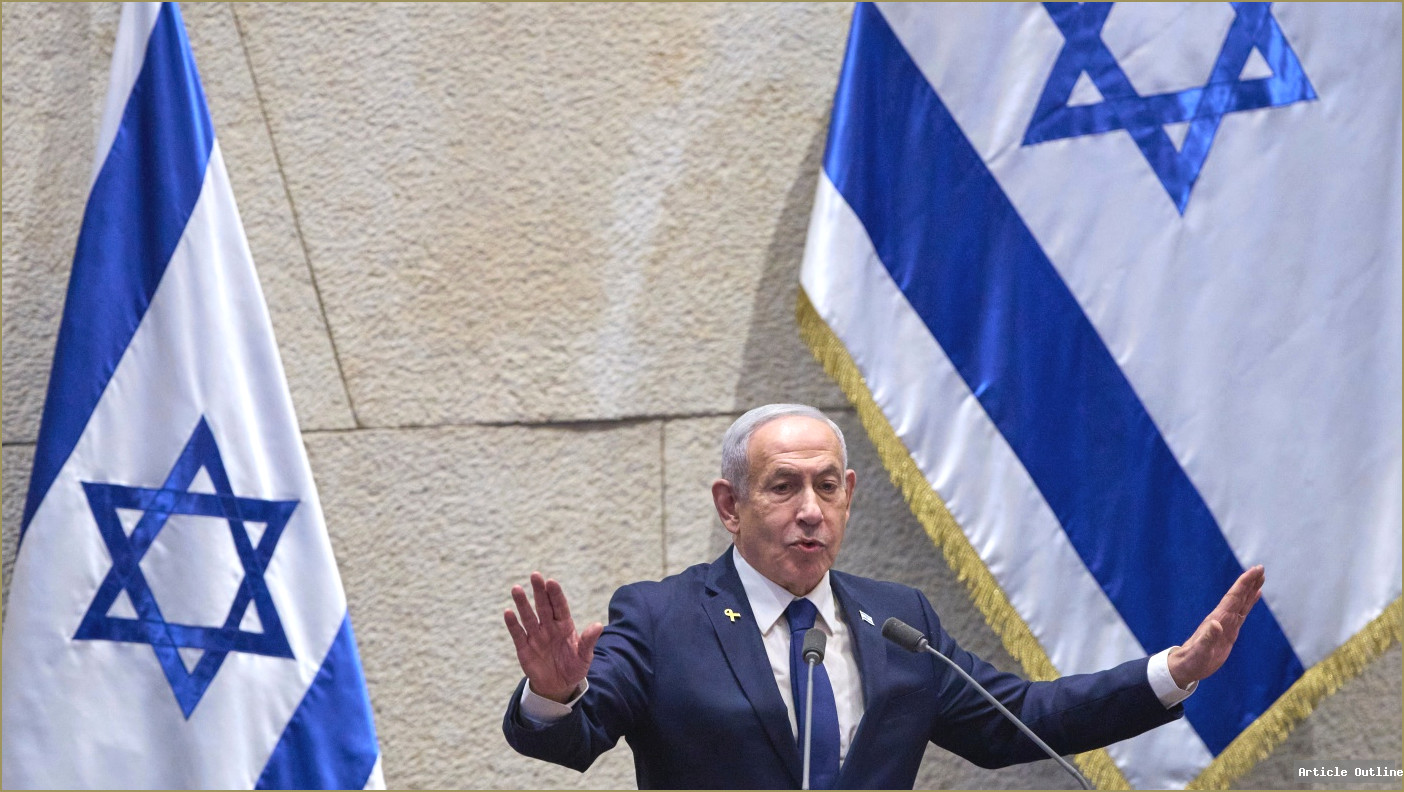
Let’s cut through the headlines and get to the heart of why this moment is extraordinary, what’s at stake, and what most people are missing beneath the surface.

Why This Matters
- First Time Ever: Netanyahu is the only sitting Israeli prime minister to stand trial on corruption charges—and now, the first to request a pardon before a verdict.
- Precedent for Future Leaders: Granting a pardon before conviction could set a dangerous precedent, making high-level officials feel untouchable.
- National Unity or Division? Netanyahu claims a pardon will heal divisions, but many argue it could deepen distrust in government institutions.
- International Reactions: The move comes weeks after former U.S. President Donald Trump called for Netanyahu to be pardoned, signaling how global politics are intertwined with Israel’s internal drama.
What Most People Miss
- Timing Is Everything: Netanyahu’s request comes not after a conviction, but in the middle of the trial. This sidesteps the traditional legal process and puts immense pressure on Israel’s president and judiciary.
- Legal Complexity: Israeli law doesn’t explicitly forbid a pardon request during an ongoing trial, but it’s rare and deeply controversial. Legal experts warn it may undermine the very foundation of Israel’s justice system.
- Political Calculus: Netanyahu’s supporters see this as a way to ensure stable governance amid national turmoil, but critics argue it’s a last-ditch effort to evade accountability.
Key Takeaways
- Broader Implications: A pardon at this stage could erode public confidence in legal proceedings and embolden future leaders to seek similar protections.
- Public Sentiment: Israel is already deeply polarized; polling shows trust in institutions has wavered in recent years. This move could spark protests or even constitutional crisis.
- Global Echoes: The situation echoes political dramas in other democracies—think of the Trump investigations in the U.S.—where legal accountability and executive power collide.
Timeline of Events
- 2016–2019: Investigations into Netanyahu’s activities intensify.
- 2020: Netanyahu is formally indicted on charges of fraud, breach of trust, and bribery.
- 2023: Trial proceedings ramp up, requiring Netanyahu’s frequent court appearances.
- November 2025: Netanyahu formally submits pardon request while trial is ongoing.
Pros and Cons: Should the President Grant a Pardon?
- Pros:
- Restores government focus during a tumultuous period.
- Could ease political tensions in the short term.
- Cons:
- Undermines rule of law and judicial independence.
- Sets a risky precedent for future leaders facing legal scrutiny.
- Public backlash and protests could spiral.
Expert Commentary
“A presidential pardon at this stage would not just close Netanyahu’s case, but could fundamentally alter the relationship between Israel’s executive and judicial branches.” — Dr. Yael Shalev, Israeli constitutional law expert
The Bottom Line
Netanyahu’s request is more than a legal maneuver—it’s a test of Israel’s democracy, its institutions, and its ability to balance power with accountability. Whether you view it as a pragmatic step for stability or a dangerous shortcut, the decision that lies ahead will shape Israeli politics for years to come.