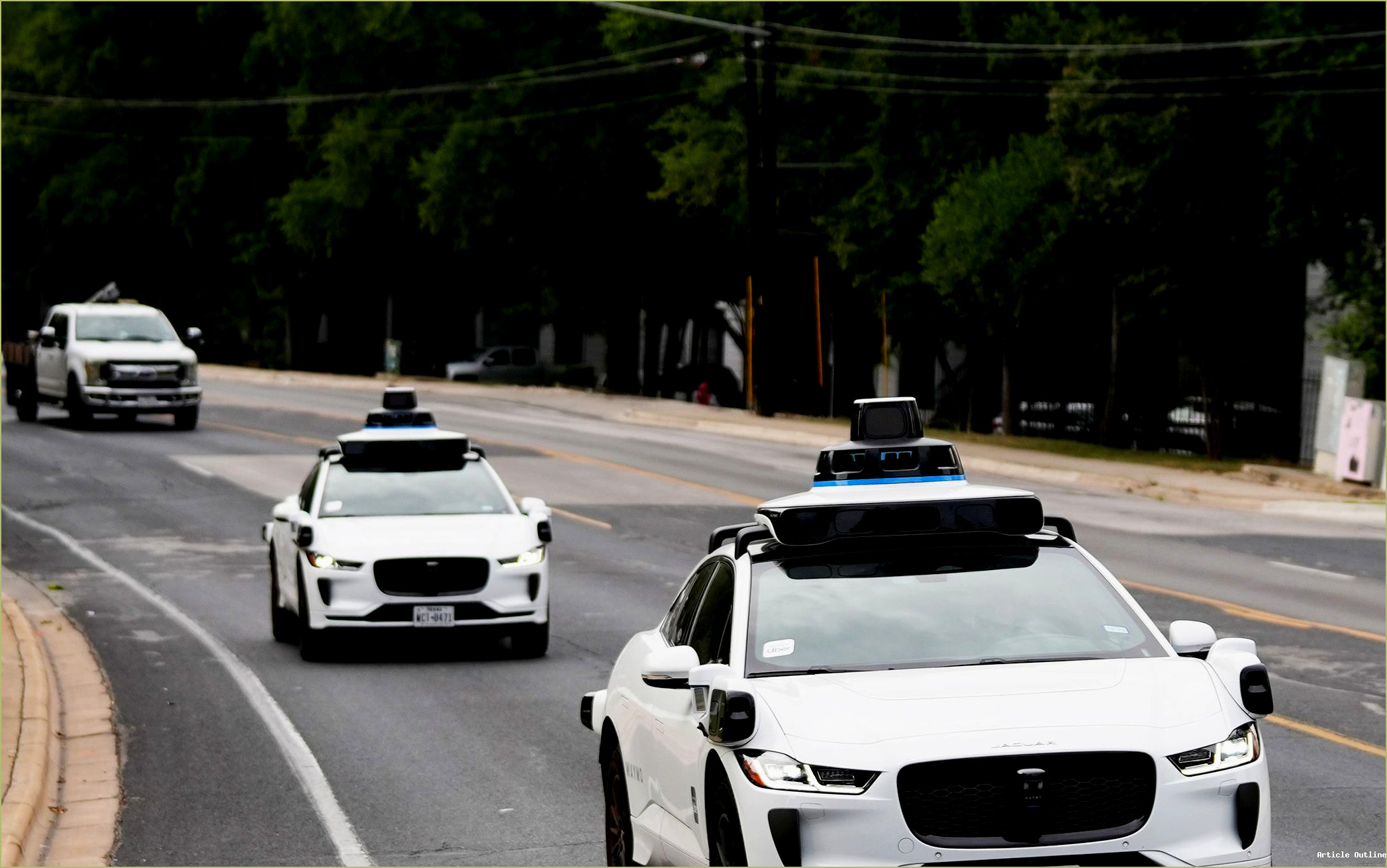
New York is finally gearing up to join the self-driving car revolution, and it’s about time. With Governor Kathy Hochul’s proposal to allow limited autonomous vehicle pilots in smaller cities, the Empire State could soon shift from laggard to leader—at least outside the five boroughs of NYC. For years, New York’s strict rules kept driverless cars out of commercial service, requiring a human at the wheel even for testing. Now, that could change, and the ripple effects will reach far beyond state lines.
Why This Matters
- New York is the fourth most populous state in the US. Its move to legalize self-driving pilots is a signal to the rest of the country—and the world—that autonomous vehicles are inching closer to mainstream adoption.
- If New York can safely run robotaxi pilots in its diverse cities, it sets a precedent for other urbanized states with tough regulations (think Illinois, Massachusetts, and Washington).
- The exclusion of New York City from the pilot means the state is taking a measured, incremental approach—testing in less chaotic environments before tackling the urban jungle.
What Most People Miss
- Local Support is Required: The proposed legislation mandates that companies must “demonstrate local support” and robust safety records. This is not a green light for every tech giant to swarm small towns—communities will have a say.
- No Clear Path to Full Commercialization Yet: While this is a big step, the legislation doesn’t spell out how or when full-scale, driverless taxi services could launch statewide. That means more bureaucracy (and probably more lobbying) is ahead.
- Big Money is Already at Play: Waymo spent over $370,000 lobbying New York officials last year. This underscores how high the stakes are for tech companies itching to expand in lucrative markets.
Key Takeaways
- This is a pivotal moment for self-driving tech in the Northeast. California, Texas, and Arizona have dominated so far, but New York’s entry could supercharge adoption and investment in the region.
- Safety and public trust remain the biggest hurdles. Incidents in other states (like high-profile robotaxi mishaps in San Francisco) have made headlines. New York’s cautious rollout—starting small and requiring local buy-in—shows lessons learned.
- NYC’s special status is telling. The city’s own permit program is still too conservative for commercial driverless rides. If the pilot goes well in smaller cities, pressure will mount to open up the Big Apple eventually.
Industry Context and Comparisons
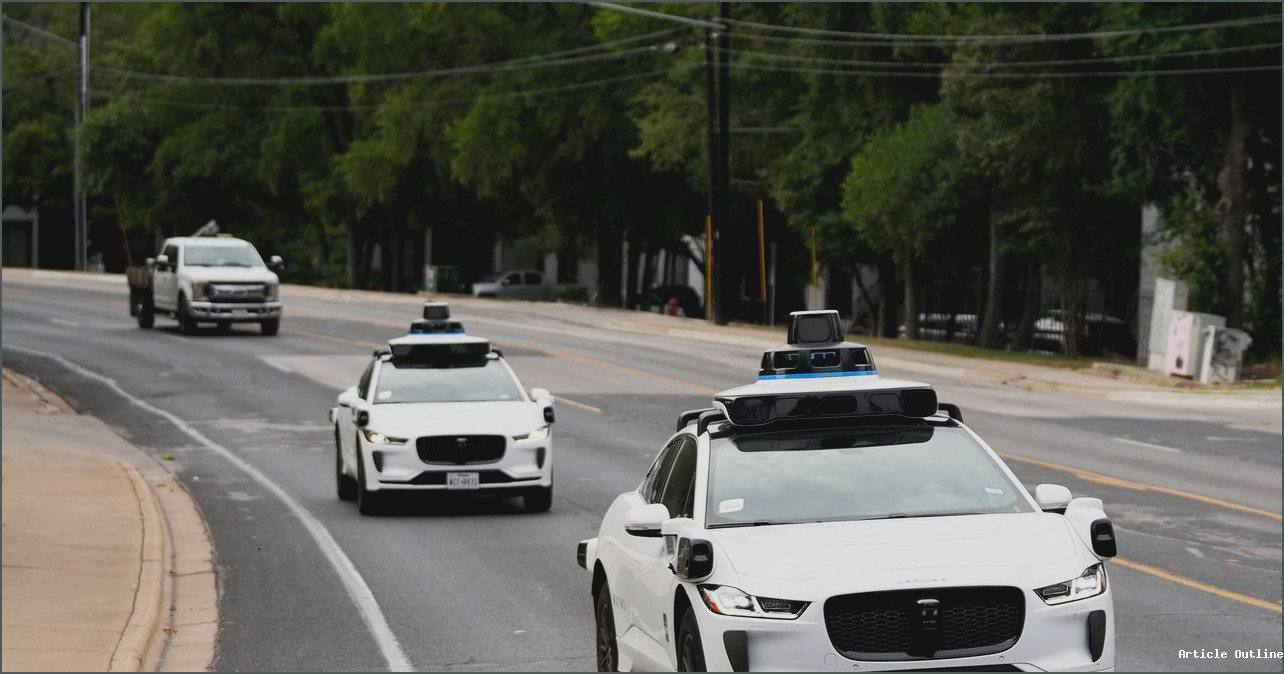
- Waymo, Zoox, and Tesla have expanded driverless pilots in cities like Phoenix, San Francisco, Austin, and Atlanta—often facing fewer regulatory headaches than in New York.
- California was the first to allow commercial robotaxi operations, but also saw fierce pushback after safety incidents. New York’s model borrows from these lessons by emphasizing local control and safety data.
- Globally, London is set to see Waymo’s robotaxis soon, showing that the race to autonomy is truly international.
Pros and Cons Analysis
- Pros:
- Potential to make roads safer by removing human error
- Increased mobility for underserved communities
- Economic boost from new tech businesses and jobs
- Cons:
- Job displacement for traditional drivers
- Uncertainties around accident liability and insurance
- Possible resistance from local communities unwilling to be “test beds”
Timeline: How Did We Get Here?
- 2020-2024: NY restricts AV testing to vehicles with a human driver present.
- 2025: Waymo and others lobby heavily for regulatory change.
- 2026: Governor Hochul announces proposed legislation for pilot programs outside NYC.
“This program will make our roads safer and will improve mobility options for communities outside of New York City.” – Governor Kathy Hochul
The Bottom Line
New York’s cautious but forward-looking approach to self-driving cars could transform transportation policy nationwide—if it works. The pressure is on for AV companies to prove safety and win public trust. If they succeed, the next time you hail a ride in New York, it might just arrive with no one behind the wheel.