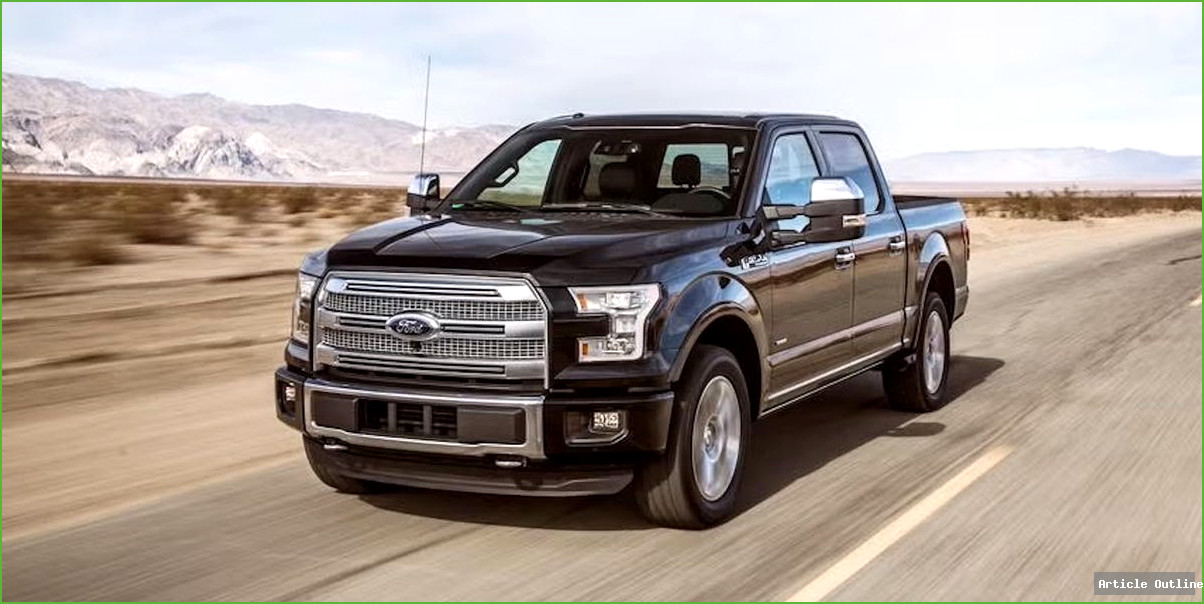
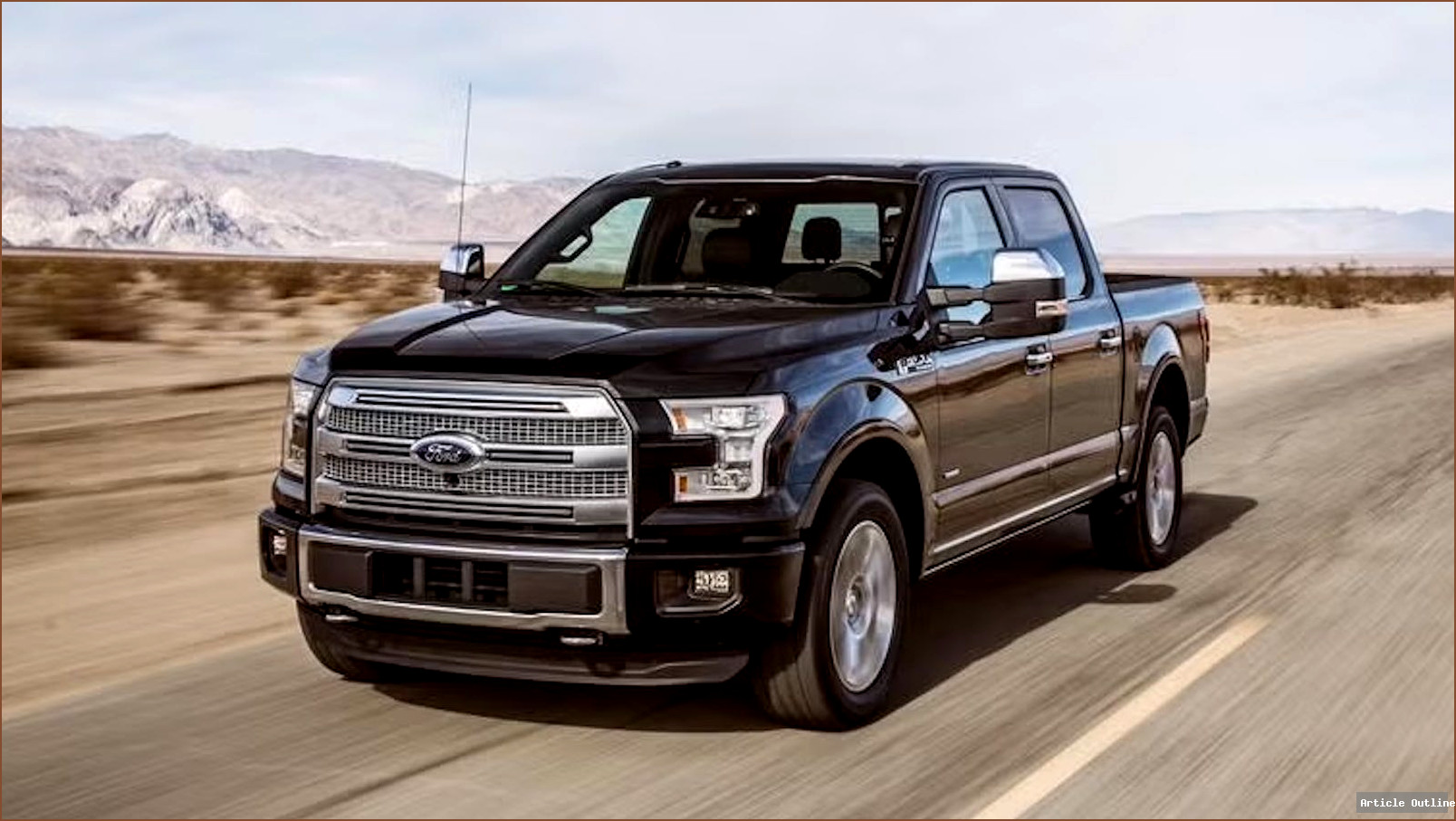
When the National Highway Traffic Safety Administration (NHTSA) investigates over a million of America’s best-selling trucks, the whole auto industry pays attention. The latest target? Nearly 1.3 million Ford F-150s from 2015-2017, all facing a potentially dangerous flaw in their 6R80 automatic transmissions.
At first glance, it might seem like just another recall. But dig deeper, and the implications ripple far beyond a single model or brand.
Why This Matters
- Safety at Scale: The F-150 isn’t just Ford’s bestseller—it’s the best-selling vehicle in America for decades. A defect here affects work fleets, families, and businesses nationwide.
- Transmission Failures Are No Joke: Sudden downshifts at highway speeds can lock up the rear wheels. NHTSA’s own owner survey found that over 40% of respondents experienced at least one wheel lockup event.
- Industry Repercussions: Transmission technology is evolving fast (think electrification and more gears), but reliability issues like this cast a shadow over complex automatic systems.
What Most People Miss
- It’s Not a Repeat—But It’s Familiar: Ford insists this sensor failure is different from previous OSS issues (which triggered four recalls for 2011-2014 F-150s). Yet, for many owners, it’s déjà vu—and raises questions about platform-wide design flaws.
- Downshifts Aren’t the Only Risk: NHTSA’s testing revealed that when the Transmission Range Sensor (TRS) cuts out, the truck can shift into neutral while in reverse—potentially causing it to roll forward unexpectedly, especially risky when backing uphill.
- Scale of the Owner Response: Over 300 detailed owner questionnaires were analyzed. Such a large dataset gives weight to the investigation and hints at widespread real-world danger, not just theoretical risk.
Key Takeaways
- 1.3 million trucks, three model years, and one widely used transmission.
- 40%+ of surveyed owners experienced wheel lockups—this isn’t a rare bug.
- Prior recalls didn’t solve the underlying sensor-and-wiring fragility.
- Downshifts at highway speeds, neutral shifts while reversing—both dangerous, both real.
Industry Context & Comparisons
- Transmission Complexity vs. Reliability: As automakers push for more gears and smarter electronics, the challenge is making sure reliability keeps up. Compare this to the infamous GM 8-speed “shudder” lawsuits or Nissan’s CVT woes—transmission headaches are a recurring theme across brands.
- NHTSA’s Proactive Stance: The agency’s opening of a new investigation, even after recent recalls, shows a shift toward more thorough, data-driven oversight. This could set a precedent for how future vehicle electronics issues are handled.
Action Steps for Owners
- Check if your F-150 (2015-2017) is included in this investigation or prior recalls.
- If you experience sudden downshifts or wheel lockup, report it to NHTSA immediately.
- Follow Ford and NHTSA updates closely—formal recalls or free repairs could be next.
- Consider safety risks when carrying heavy loads or towing, as sudden transmission changes can make these scenarios catastrophic.
The Bottom Line
This isn’t just a Ford issue—it’s a wake-up call for the entire automotive industry. As vehicles grow more complex, ensuring that critical systems like transmissions are robust and fail-safe is non-negotiable. For Ford, the pressure is on: fix the flaw, regain trust, and prove that the F-150’s dominance isn’t just about sales numbers, but reliability and safety too.