Proton has taken a bold step into productivity territory with the launch of Proton Sheets, a privacy-first spreadsheet tool that’s shaking up a market long dominated by Google Sheets and Microsoft Excel. But is this just another spreadsheet, or does it signal a deeper shift in how we handle sensitive data at work?
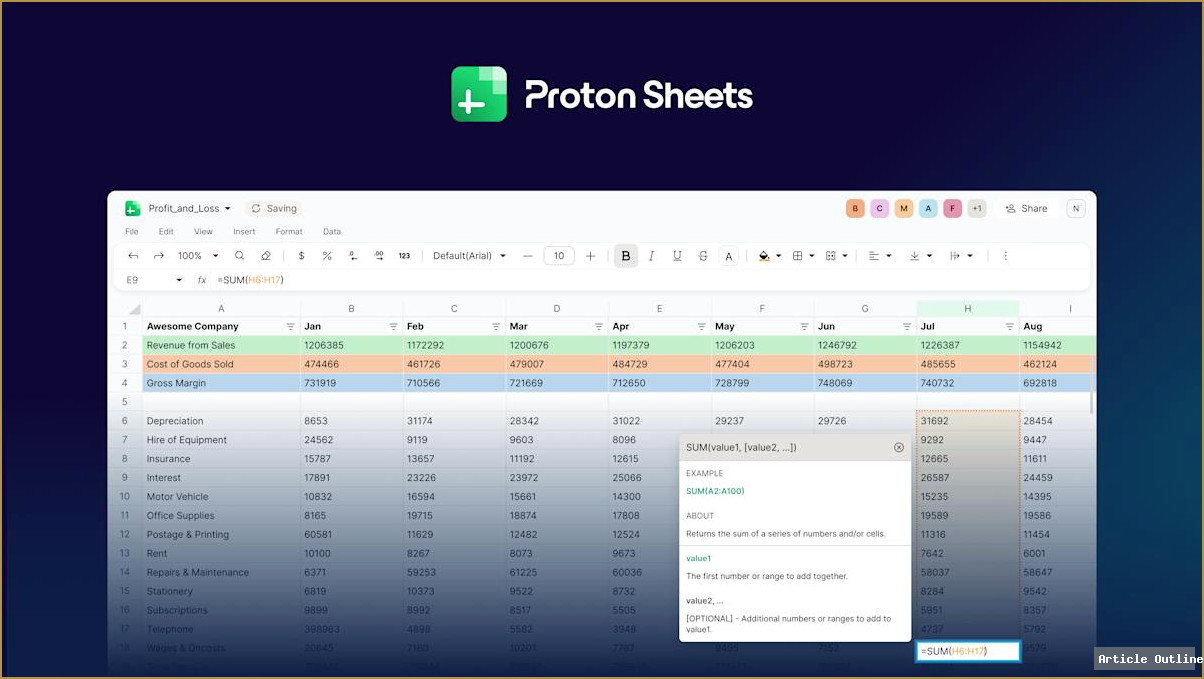
Let’s cut through the hype and examine what makes Proton Sheets different — and what it means for individuals and organizations who want more control over their data.
Why This Matters
- Data privacy is under threat — especially in workplace productivity tools. Google and Microsoft have been increasingly open about using user data to train their AI models. Proton’s promise: your spreadsheets stay private, encrypted, and off-limits to AI training.
- Many industries (healthcare, legal, finance) have strict compliance requirements that mainstream cloud tools often struggle to meet without costly enterprise plans. Proton Sheets is positioning itself as the answer for teams who can’t compromise on privacy.
What Most People Miss
- End-to-end encryption isn’t just a buzzword; it means even Proton can’t see your data, unlike Google or Microsoft, who can access your content for debugging or legal requests.
- Proton Sheets isn’t an isolated product: it’s part of a growing encrypted ecosystem (Mail, Drive, VPN, Docs). This interconnectedness is key for organizations looking to move their entire workflow off Big Tech.
- The real-time collaboration and cross-device accessibility mean privacy no longer comes at the cost of usability.
Key Takeaways
- Proton Sheets allows importing of CSV/XLS files and supports common formulas, making migration from other platforms feasible.
- Access controls let users decide who can view or edit files—a necessity for sensitive projects.
- No user data will be used to train AI, addressing a growing concern in the AI-centric era.
- Proton is taking direct aim at Google and Microsoft, but with a privacy-first mindset that could appeal to both individuals and organizations burned by data scandals.
Industry Context: How Does Proton Sheets Stack Up?
- Google Sheets: Free, widely used, but user data is analyzed, and content can be used for AI training. Not end-to-end encrypted.
- Microsoft Excel Online: Also cloud-based, with enterprise-grade security for paid users, but not end-to-end encrypted by default.
- Zoho Sheet, OnlyOffice: Offer privacy-focused features, but Proton’s ecosystem and strict encryption set it apart.
Timeline: Proton’s Privacy Suite Evolution
- 2014: ProtonMail launches, focusing on secure email.
- 2018–2022: Proton expands with VPN, Drive, and Mail app updates.
- 2023: Proton Docs enters the scene, taking on Google Docs.
- 2024: Proton Sheets launches, completing a privacy-focused productivity package.
The Bottom Line
Proton Sheets is more than just a spreadsheet app—it’s a statement against surveillance capitalism. As regulatory scrutiny on data privacy intensifies (think GDPR, CCPA), Proton’s suite could become a lifeline for professionals and organizations who want to keep their data truly private.
“With Proton Sheets, we’re not just building another spreadsheet—we’re building trust.” – Unofficial Proton Enthusiast
Action Steps
- If you handle sensitive data or work in a regulated industry, consider testing Proton Sheets as a secure alternative.
- Audit your current productivity tools for privacy gaps—are your spreadsheets really confidential?
- Watch for upcoming integrations as Proton continues to evolve its encrypted suite.