The Q4 2025 auto sales numbers are in—and they’re telling a far more nuanced story than just who sold more cars. While some brands are smashing records, others are sliding into irrelevance, caught off-guard by changing consumer tastes and rapidly evolving technology. Let’s dig into the trends, surprises, and what it all means for car buyers, automakers, and the industry as a whole.
Why This Matters
- The Q4 2025 sales shakeup shows which automakers are future-proofing their lineups—and which are stuck in the past.
- Hybrids and electrification are no longer trends. They’re the new reality for mainstream buyers.
- SUVs continue to dominate, but not all SUVs are created equal—innovation and timely refreshes make all the difference.
Key Takeaways
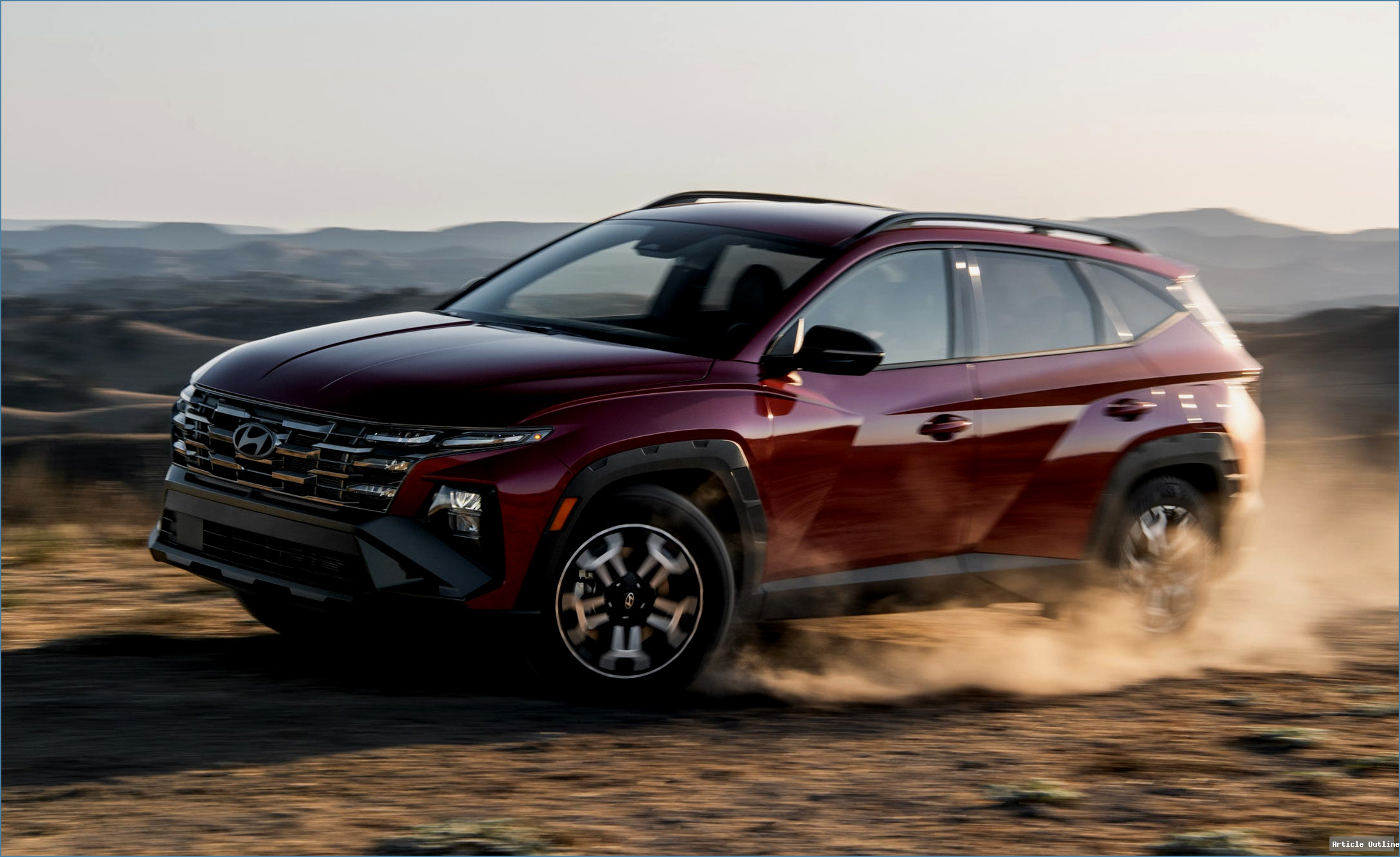
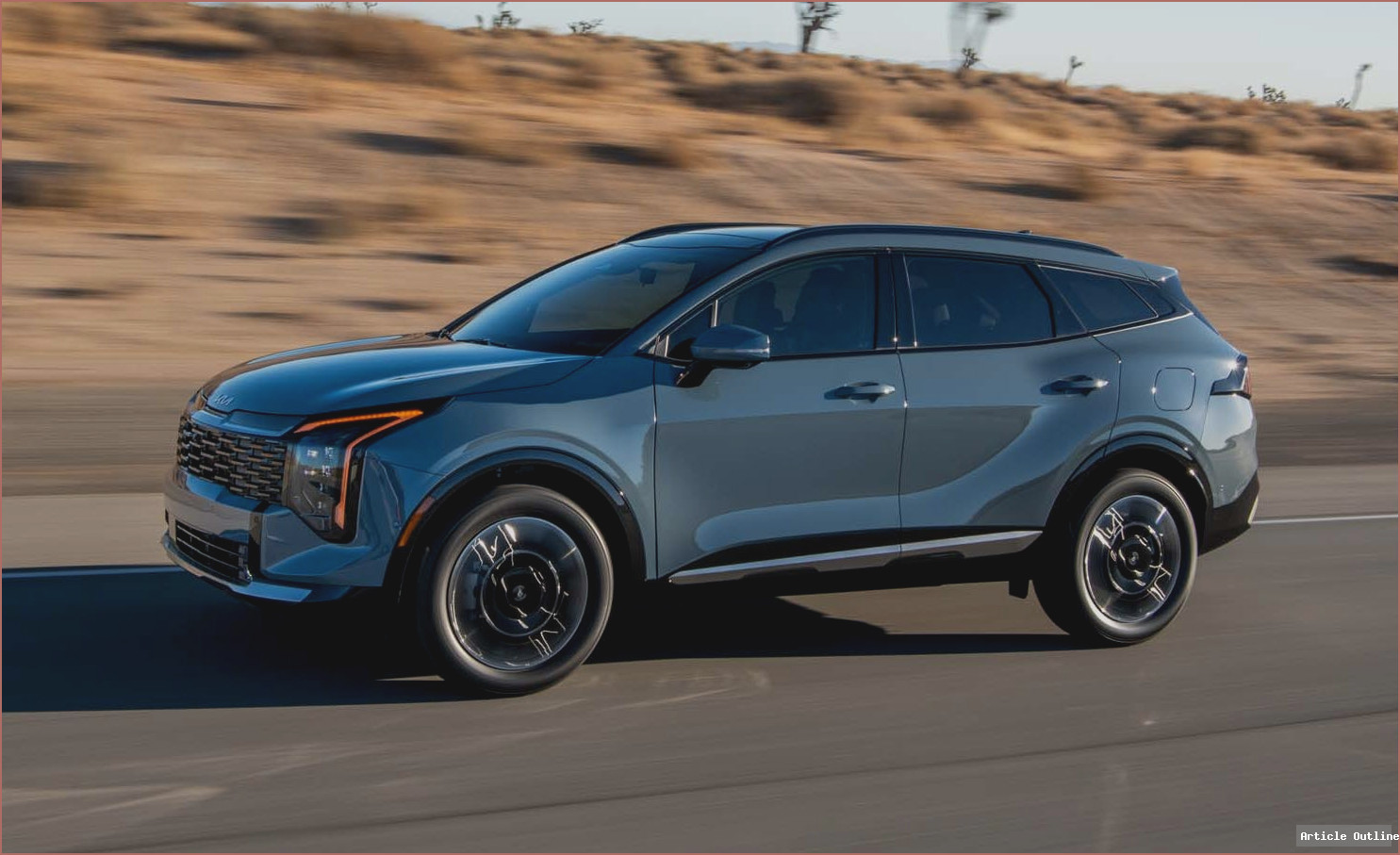
- Kia and Hyundai: Both posted record sales for the third year straight. Kia’s Sportage (+13%) and Hyundai’s Tucson (+14%) led the charge, proving that fresh, tech-forward SUVs are what buyers want. Notably, Kia’s Carnival minivan surged 44%—proof the right product can defy segment trends.
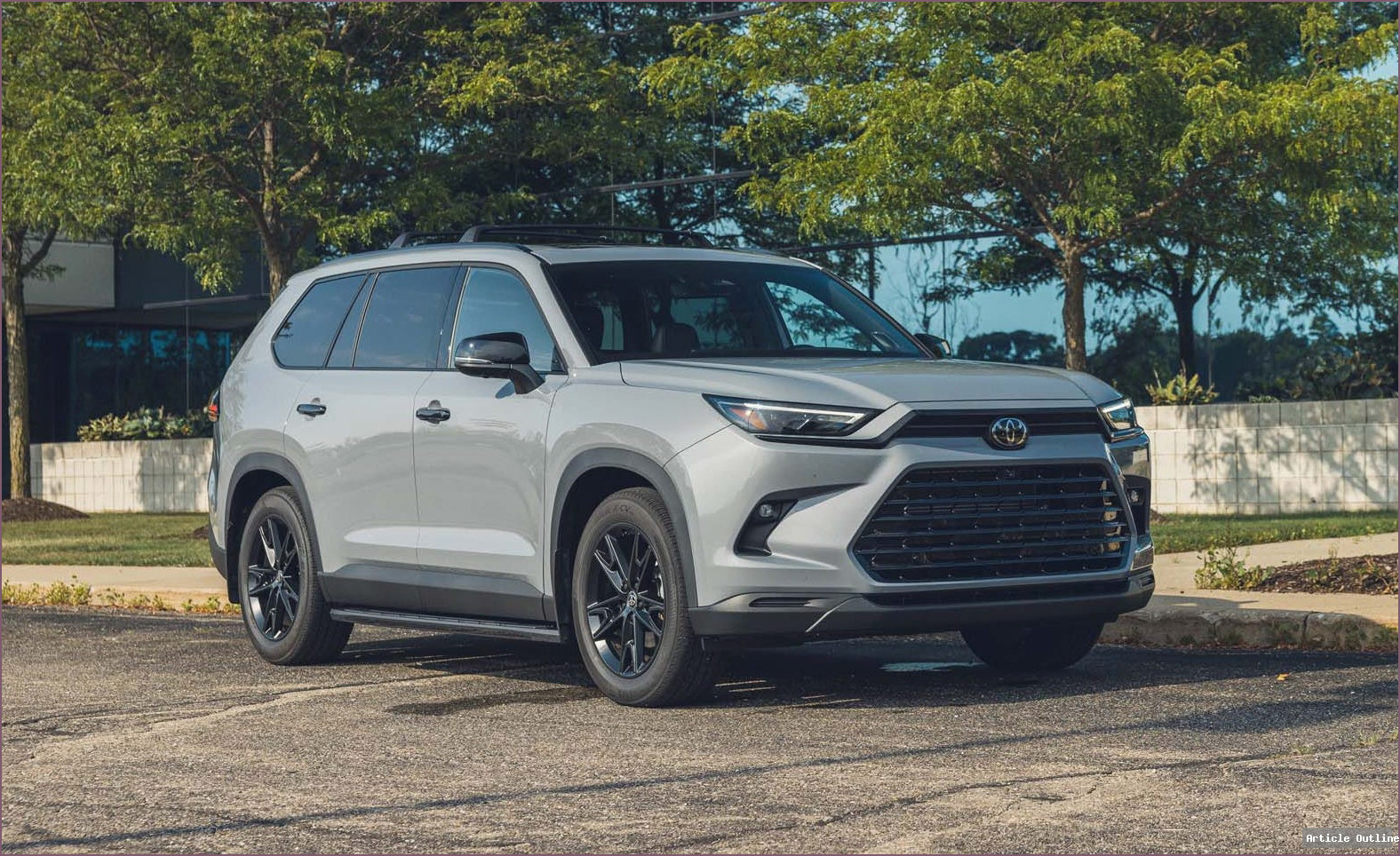
- Toyota: Nearly half of Toyota’s 2.1 million sales had an electric component. The hybrid-only Camry is a sales juggernaut, and the Grand Highlander (+91%) is a breakout hit. Toyota’s broad hybrid portfolio is paying off as rivals scramble to catch up.
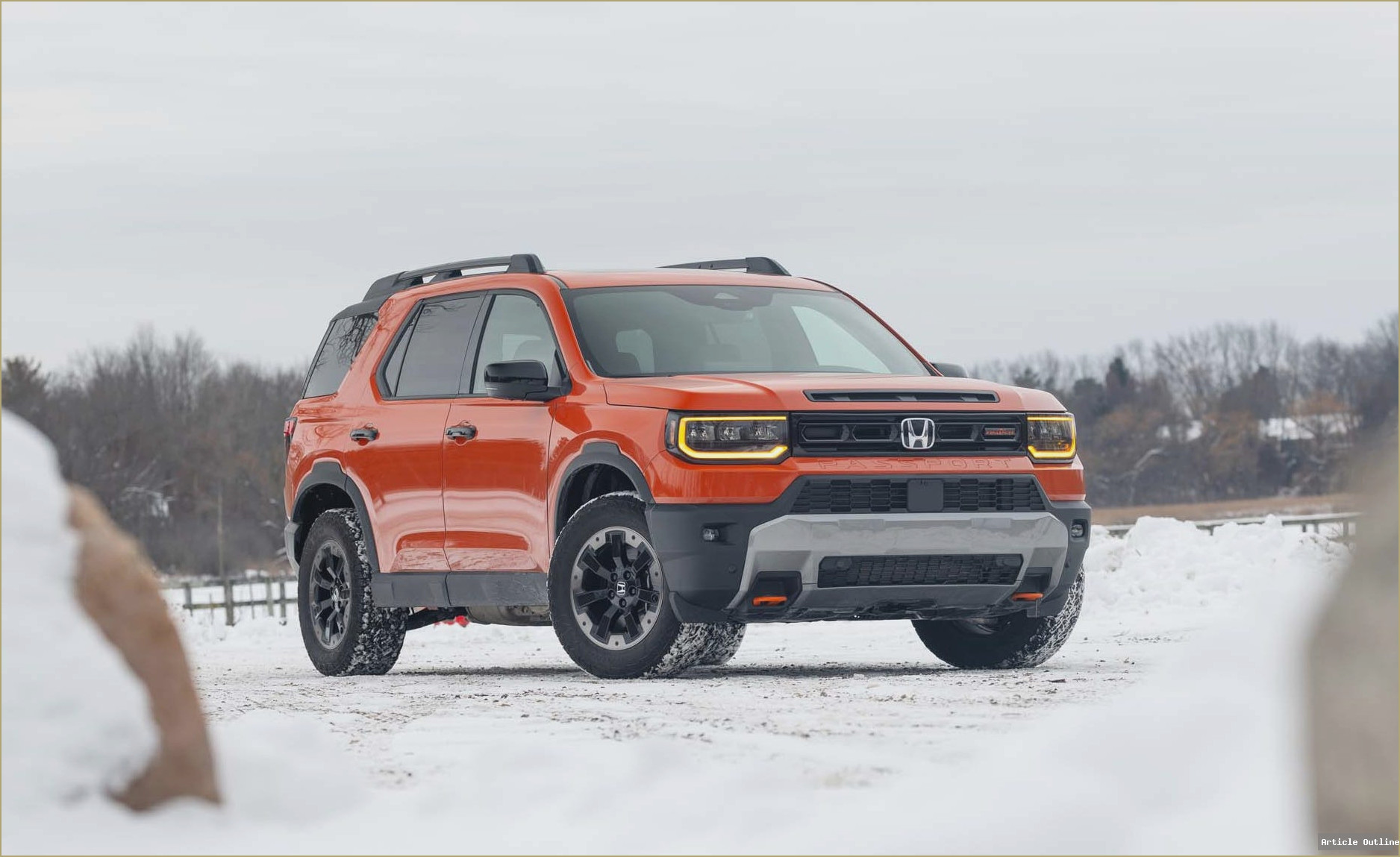
- Honda: Flat overall, but the new Passport (+70%) became both a sales and critical darling, earning a coveted spot on Car and Driver’s 10Best list. The lesson? Smart redesigns can make a huge splash even in mature segments.
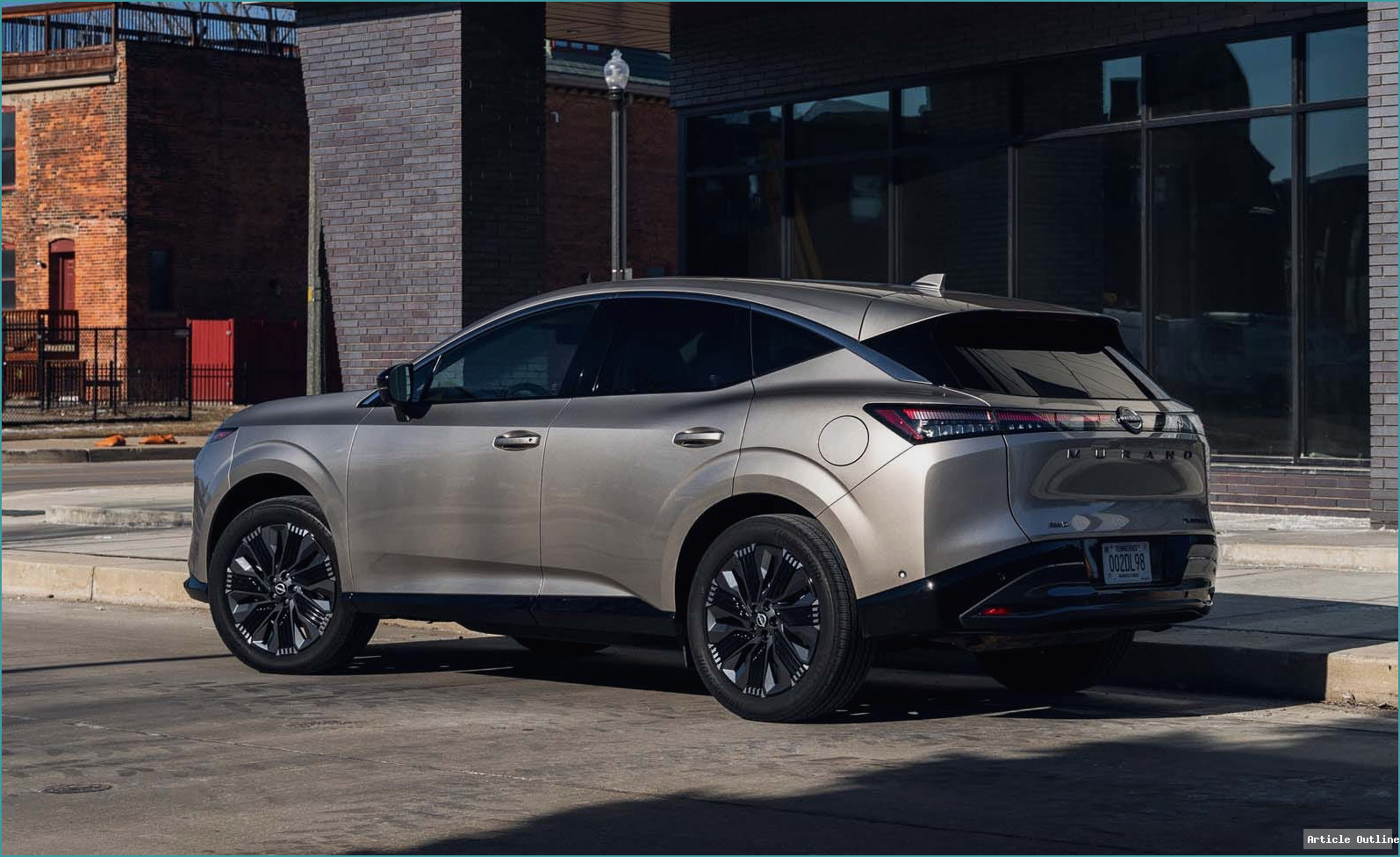
- Nissan Murano: A whopping 121% sales jump thanks to a full redesign. The takeaway: stale models kill momentum, but a bold revamp can spark a comeback.
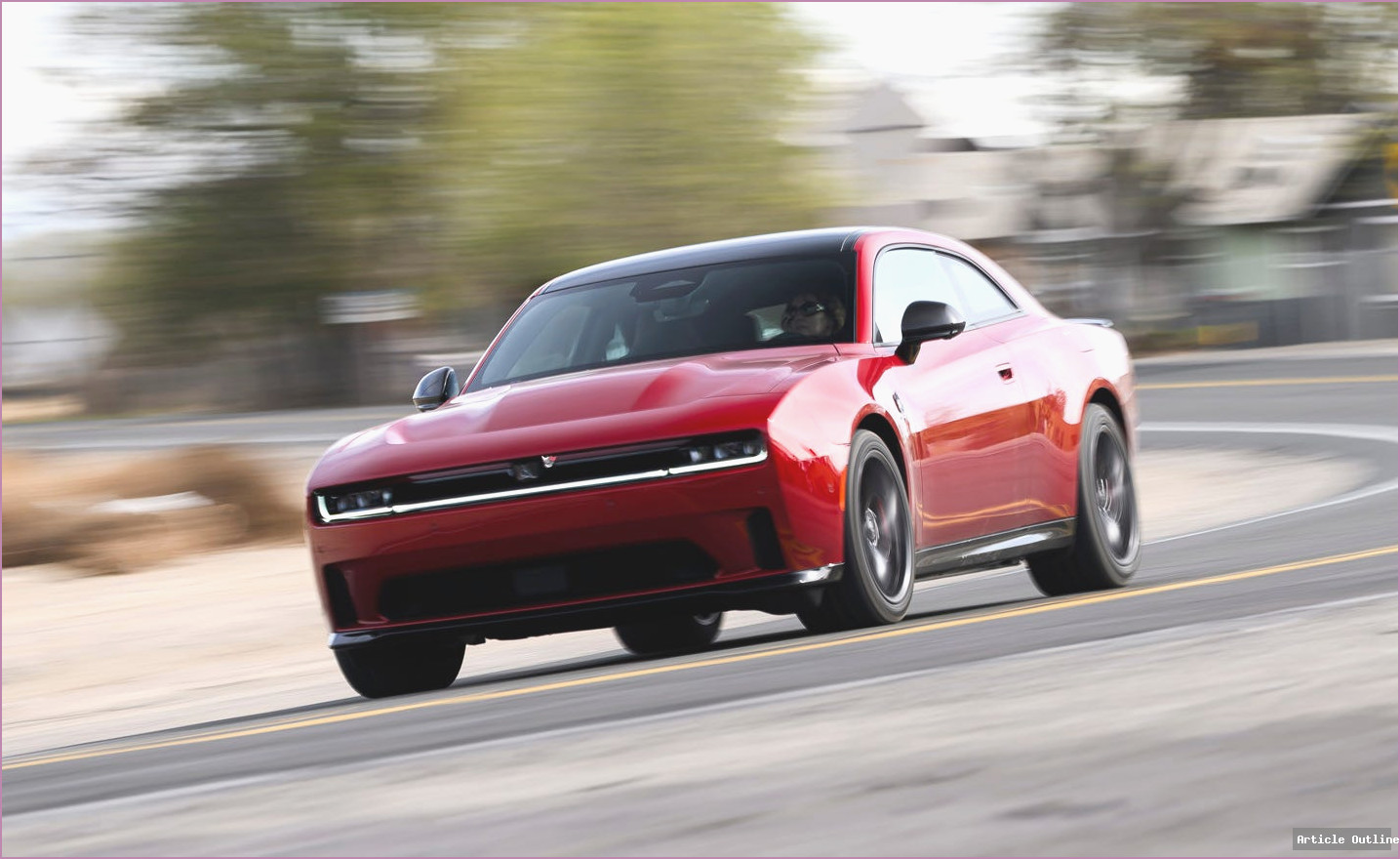
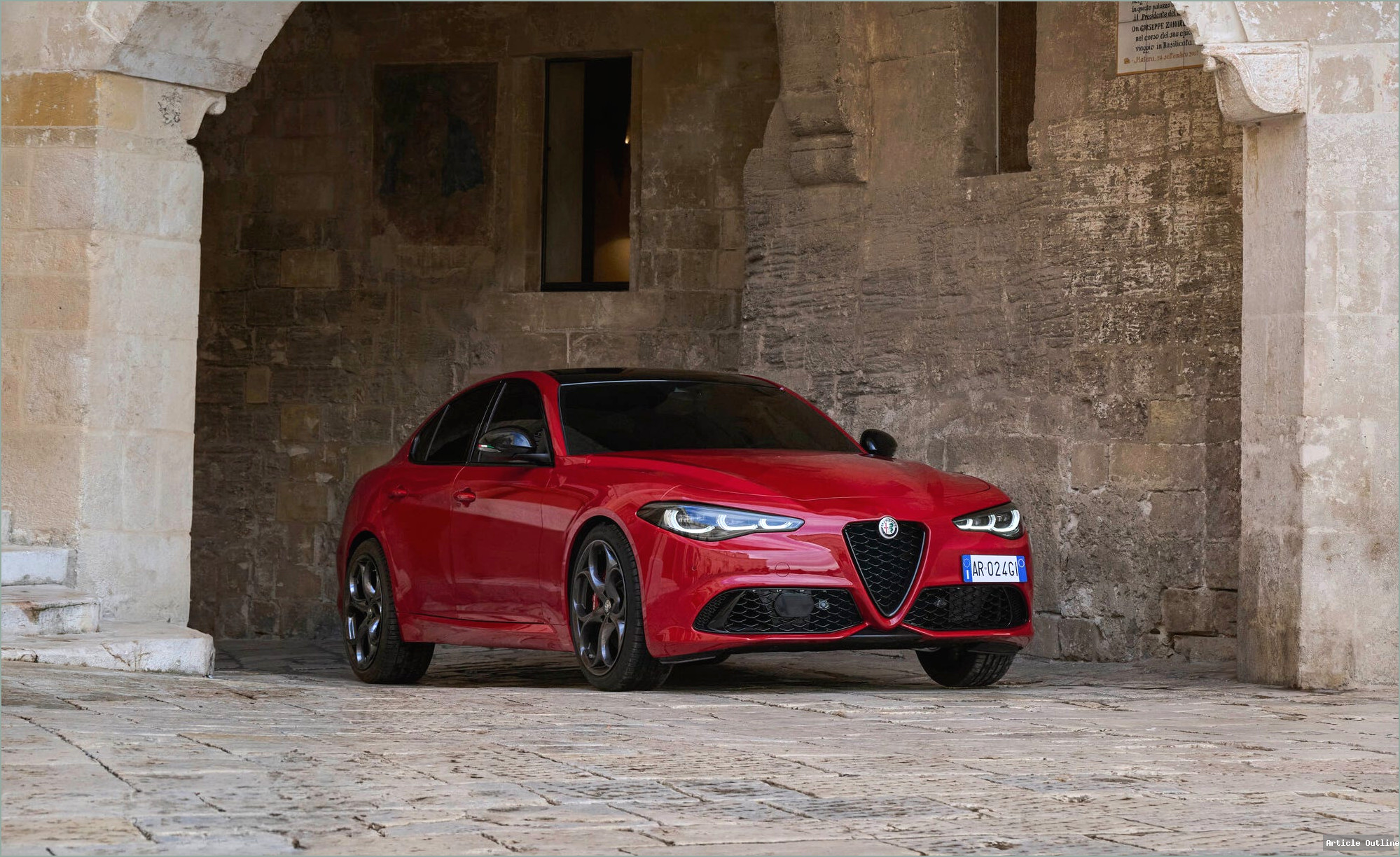
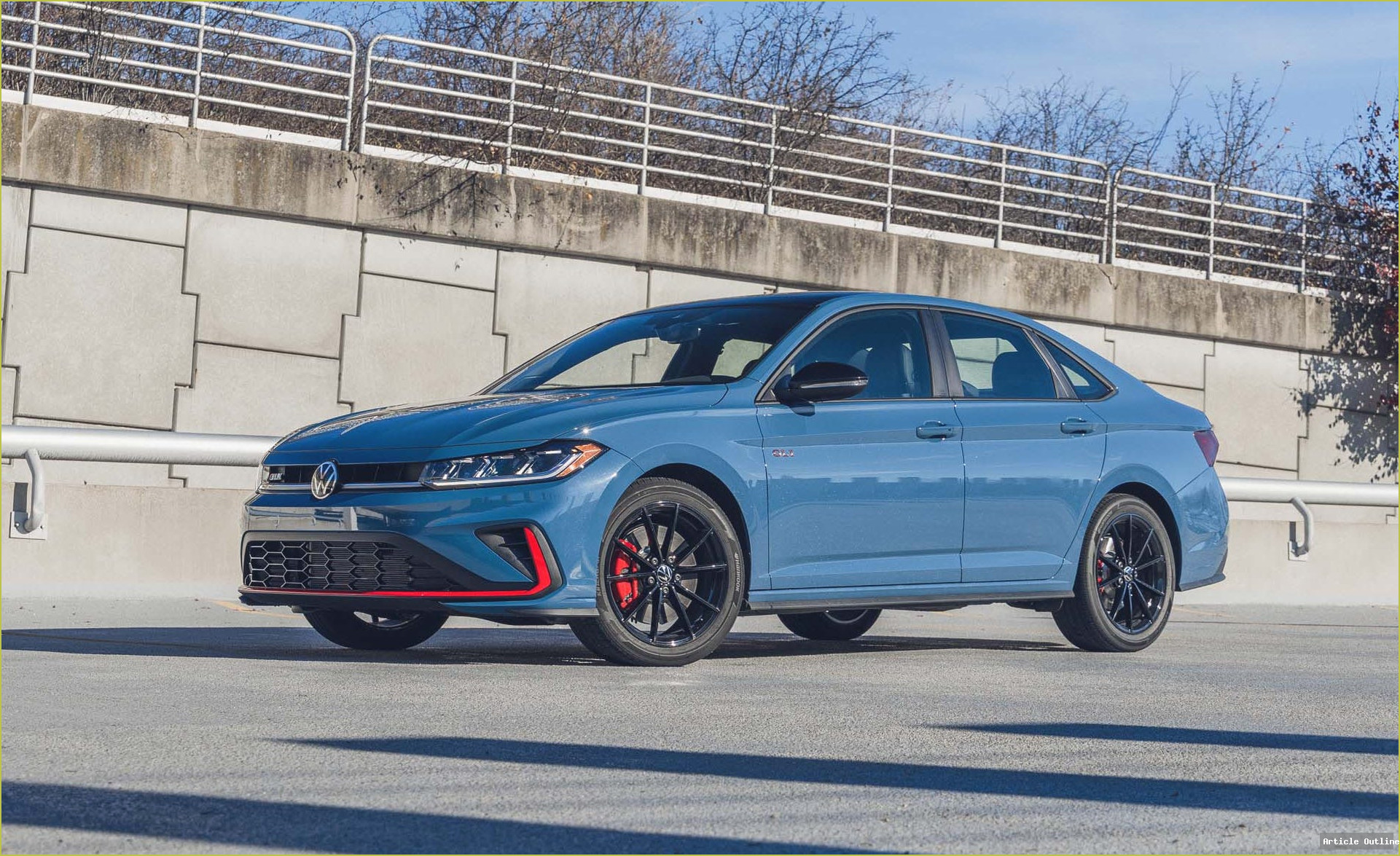
- Dodge, Alfa Romeo, Volkswagen: The losers of 2025, all seeing double-digit declines. Aging lineups, slow EV rollouts, and discontinued hits (RIP gas-powered Charger/Challenger) left them bleeding market share.
What Most People Miss
- It’s not just about electrification—it’s about hybridization. Customers want efficiency but aren’t ready for full EVs. Automakers with robust hybrid lineups are cleaning up.
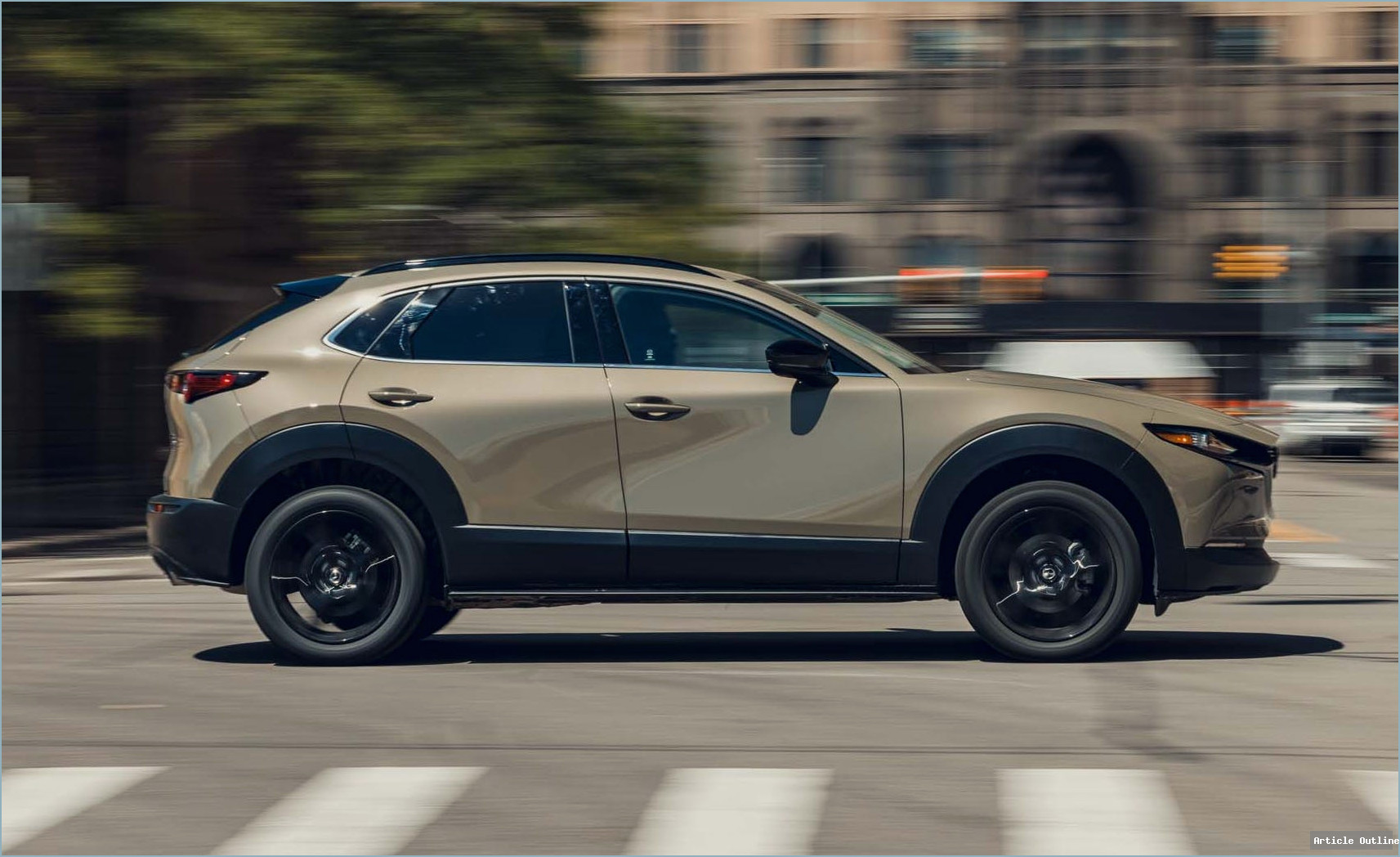
- The “SUV Boom” isn’t a free ride. Kia and Toyota’s sharp increases show that freshness and innovation matter more than just slapping an SUV badge on any vehicle. Stale or uncompetitive SUVs (Mazda CX-30, VW Tiguan) suffered double-digit declines.
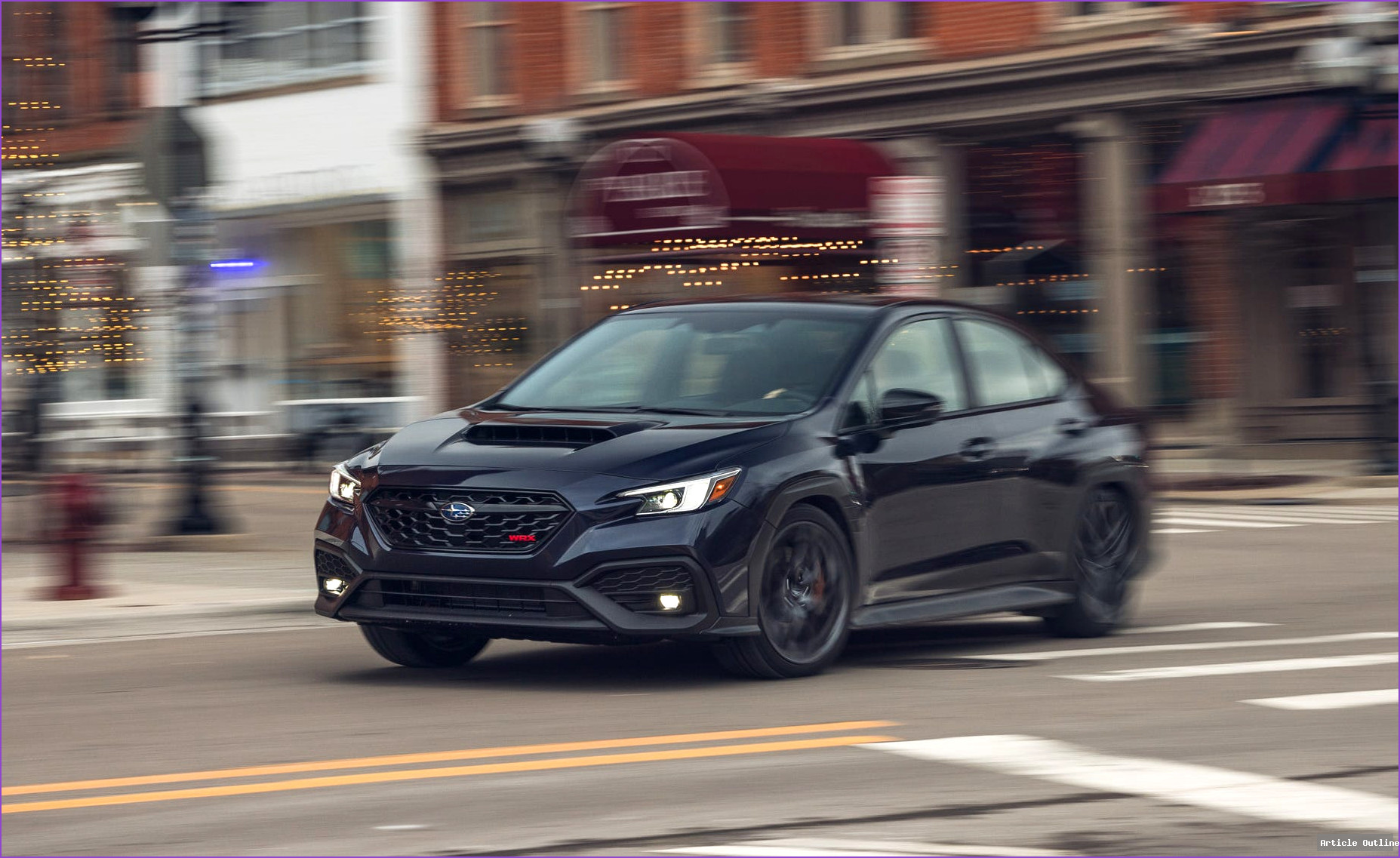
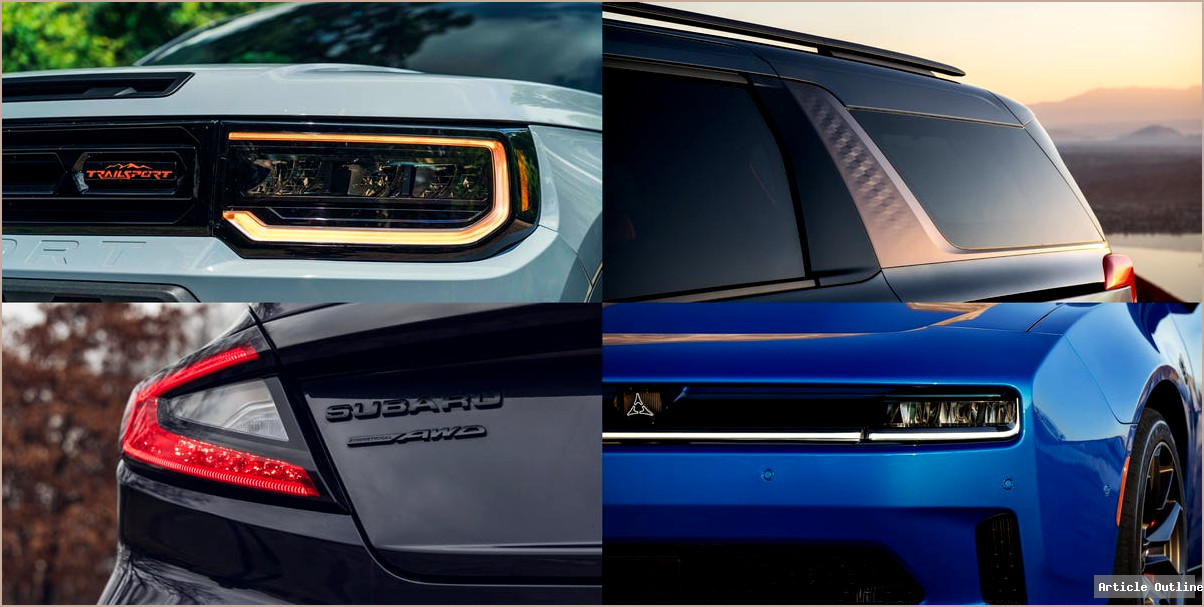
- Performance and enthusiast models took a hit: Subaru WRX (-41%) and Mazda 3 (-25%) highlight the shrinking appeal of traditional sports cars and sedans in a market obsessed with utility and efficiency.
Timeline: Major Q4 2025 Sales Shifts
- Early 2025: Kia and Hyundai launch refreshed SUVs, fueling growth.
- Spring 2025: Honda’s new Passport launches to strong reviews and sales.
- Mid-2025: Toyota’s hybrid-only Camry becomes a sales leader; electrified lineup grows.
- Late 2025: Dodge’s transition away from gas muscle cars tanks sales; VW’s ID.4 EV rebounds but fails to offset broader losses.
Pros & Cons: Winners and Losers
- Winners
- Invested in new tech (hybrids/EVs)
- Launched compelling redesigns
- Diversified their lineups
- Losers
- Depended on aging models without updates
- Failed to respond to electrification trends
- Relied too heavily on single-hit vehicles
Industry Context & Trends
- According to IHS Markit, hybrid sales in the U.S. jumped over 30% in 2025, while EV growth slowed due to infrastructure and affordability concerns.
- More than 60% of new vehicle sales were SUVs in Q4 2025, continuing a decade-long trend.
- Brands like Kia and Toyota, which invested early in hybrids and flexible powertrains, are reaping the rewards—while laggards face painful losses.
“The companies that read the tea leaves and doubled down on hybrids are thriving. The ones content to milk aging models—well, the sales charts don’t lie.”
The Bottom Line
Adapt or fall behind. The Q4 2025 auto sales report isn’t just a scorecard—it’s a warning. Consumer priorities are shifting rapidly toward electrification, efficiency, and fresh designs. Brands that can pivot, innovate, and meet buyers where they are will win the next decade. Everyone else? Better hope their 2026 models land with a bang.
Sources: