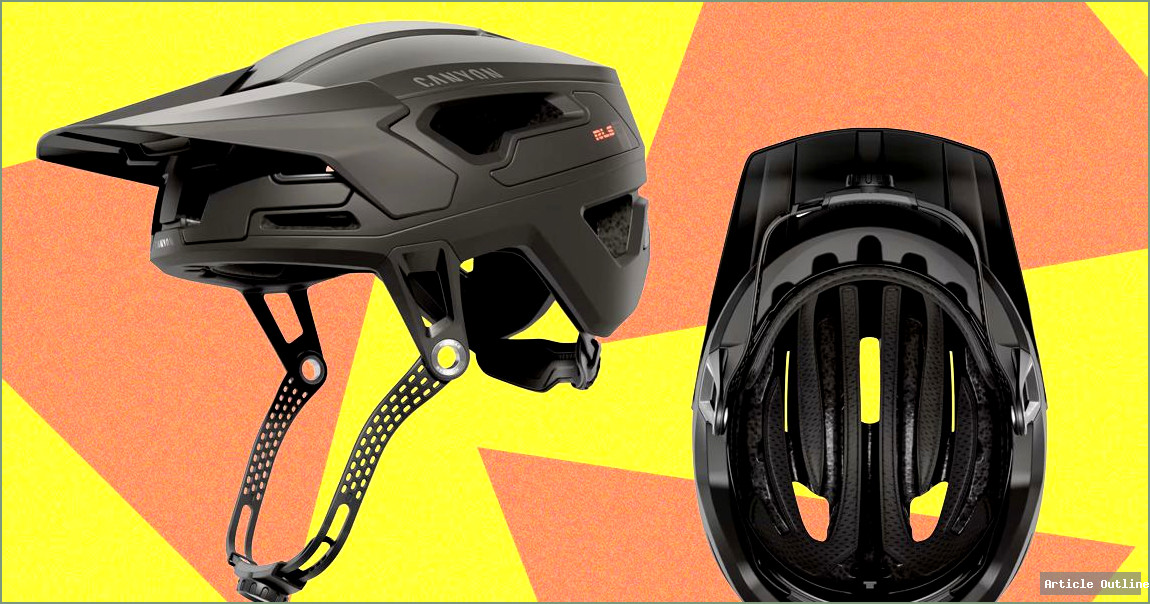
Bike helmet technology is evolving, and the Canyon Deflectr RLS is leading the charge with the first-ever US helmet featuring RLS’s innovative safety tech. Most riders know MIPS (Multi-directional Impact Protection System) as the gold standard for rotational impact protection, but RLS is poised to shake up the status quo. Here’s why this matters — and what most cyclists (and even some gear reviewers) might be missing about this helmet revolution.
Why This Matters
- Rider safety isn’t just about passing the same old tests — it’s about adapting to the latest research on brain injuries and impact forces.
- RLS technology could set a new benchmark in how helmets dissipate energy and reduce rotational forces, potentially lowering concussion risks even more than MIPS.
- With cycling injuries rising alongside biking’s popularity, innovation in helmet tech has real-world, life-saving implications.
What Most People Miss
- The helmet’s ventilation system isn’t just about comfort — overheating can lead to fatigue and slower reaction times, so the massive vents in the Deflectr RLS might actually make you safer on long, hot rides.
- At $160, the Deflectr RLS undercuts premium helmet prices, making advanced safety tech more accessible. For comparison, flagship MIPS helmets often retail for $250–$350.
- This is the first of an entire wave of RLS-equipped helmets — watch for this tech to hit motorcycle, climbing, and even construction headgear soon.
- Color choices might seem trivial, but in high-heat regions, a lighter helmet color can reduce heat absorption and improve performance & safety.
Key Takeaways
- RLS technology is the first real challenger to MIPS in years. If it lives up to its promises, expect a shift in industry standards.
- The Deflectr RLS balances performance and affordability, showing that you don’t have to spend $300+ for the latest safety tech.
- The helmet’s comfort and fit — designed to be “forgettable” — aren’t just luxuries: a helmet you don’t notice is one you’ll actually wear, every ride.
Industry Context: Why This Helmet Is a Big Deal
- Helmet injury stats: According to the CDC, head injuries account for over 60% of cycling-related deaths. Even mild concussions can have life-altering impacts.
- Trend toward rotational impact protection: MIPS was introduced to address rotational brain injuries, but as our understanding of brain trauma evolves, so must our gear. RLS joins a short list of techs aiming to improve on MIPS’s foundation.
- Consumer demand: As more riders seek both performance and safety, brands that innovate on both fronts — comfort, cooling, impact protection — will win market share.
Pros and Cons
- Pros:
- Groundbreaking RLS safety tech
- Lightweight and comfortable
- Excellent ventilation
- Competitive price for advanced features
- Cons:
- Limited color choices (for now)
- Availability may be limited as RLS tech rolls out
The Bottom Line
The Canyon Deflectr RLS helmet isn’t just another new lid — it’s a sign that the bike helmet industry is moving into its next era. MIPS changed the game a decade ago; RLS could be the next leap forward. For riders who value both safety and comfort without breaking the bank, this helmet deserves a spot on your shortlist. Watch this space: RLS tech is just getting started.