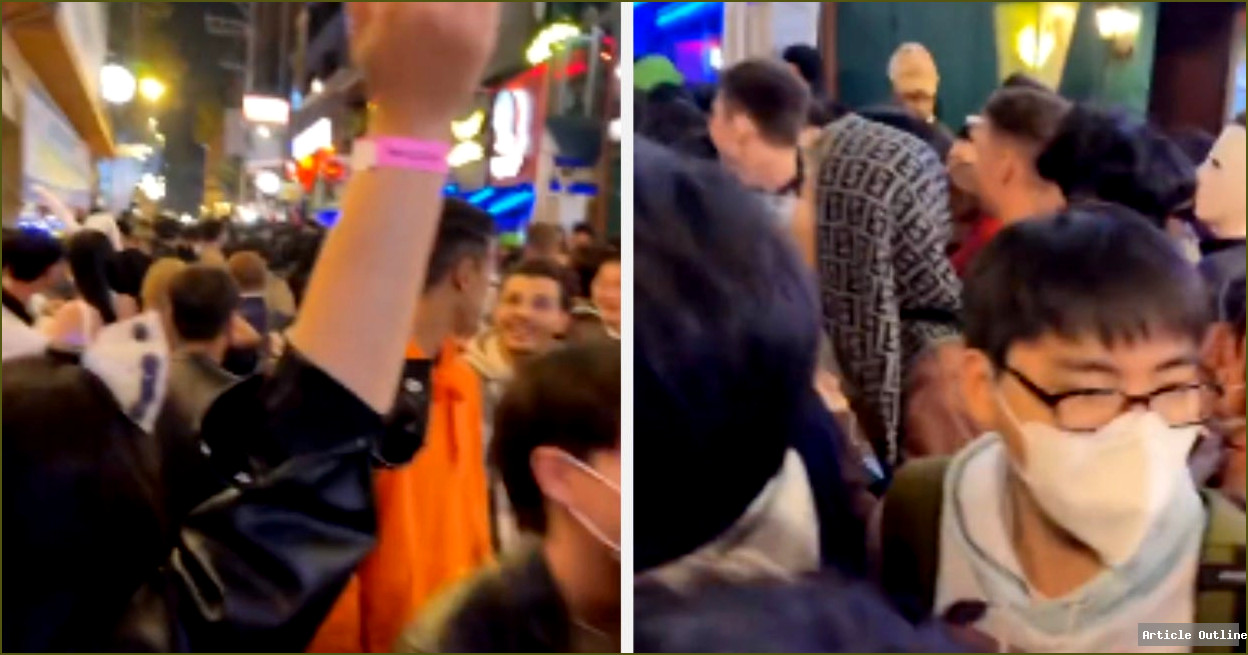
The recent Halloween crowd surge in Seoul’s Itaewon district that claimed over 100 lives is a chilling reminder of the hidden dangers in urban celebrations. While headlines focus on the immediate horror, there’s a deeper story about crowd dynamics, crisis management, and the responsibilities of both officials and event-goers that deserves urgent attention.
Why This Matters
- Urban crowd disasters are not isolated events—they point to systemic failures in planning, communication, and public awareness.
- Seoul’s tragedy echoes past incidents like the 2010 Love Parade disaster in Germany and the 2015 Hajj stampede in Saudi Arabia, showing that advanced cities are not immune.
- As global cities grow denser and events draw larger crowds post-pandemic, understanding and preventing such surges has never been more critical.
What Most People Miss
- It’s not just about numbers. The layout of Itaewon, with its narrow, sloping alleyways, set the stage for disaster. Even crowds below venue capacity can turn deadly when movement is constricted and exits are unclear.
- Lack of official oversight. Unlike organized festivals, street gatherings like this often lack crowd control, medical presence, or proper communication channels.
- The ripple effect of panic. Human behavior in emergencies often amplifies risk—panic spreads faster than information, and a single fall can trigger a chain reaction in tightly packed spaces.
Key Takeaways
- Crowd safety isn’t just a police problem—it’s a collective responsibility that includes city planners, business owners, and attendees.
- Real-time monitoring, crowd flow engineering, and public awareness campaigns are crucial for prevention.
- After-action reviews and transparent reporting can help cities worldwide learn from each tragedy and implement safeguards.
Timeline: Major Crowd Disasters for Perspective
- 2010 Love Parade, Germany: 21 killed, 500+ injured.
- 2015 Hajj, Saudi Arabia: Over 2,000 killed.
- 2021 Astroworld Festival, USA: 10 killed, hundreds injured.
- 2022 Itaewon, Seoul: 100+ killed.
Action Steps for the Future
- For cities: Map high-risk zones, install crowd sensors, enforce capacity limits, and train emergency responders.
- For organizers: Use ticketing even for open events to estimate numbers and deploy staff accordingly.
- For the public: Know the risks—if you see overcrowding, leave early. Share information calmly, avoid pushing, and learn safe crowd behavior tips.
“Suddenly this wave of panic rushed us.” — Eyewitness, BuzzFeed News
The Bottom Line
The Itaewon disaster is a wake-up call for cities everywhere. Urban joy must never come at the cost of urban safety. Let’s move beyond shock and take practical steps, so that crowded celebrations can be vibrant—and safe—for everyone.