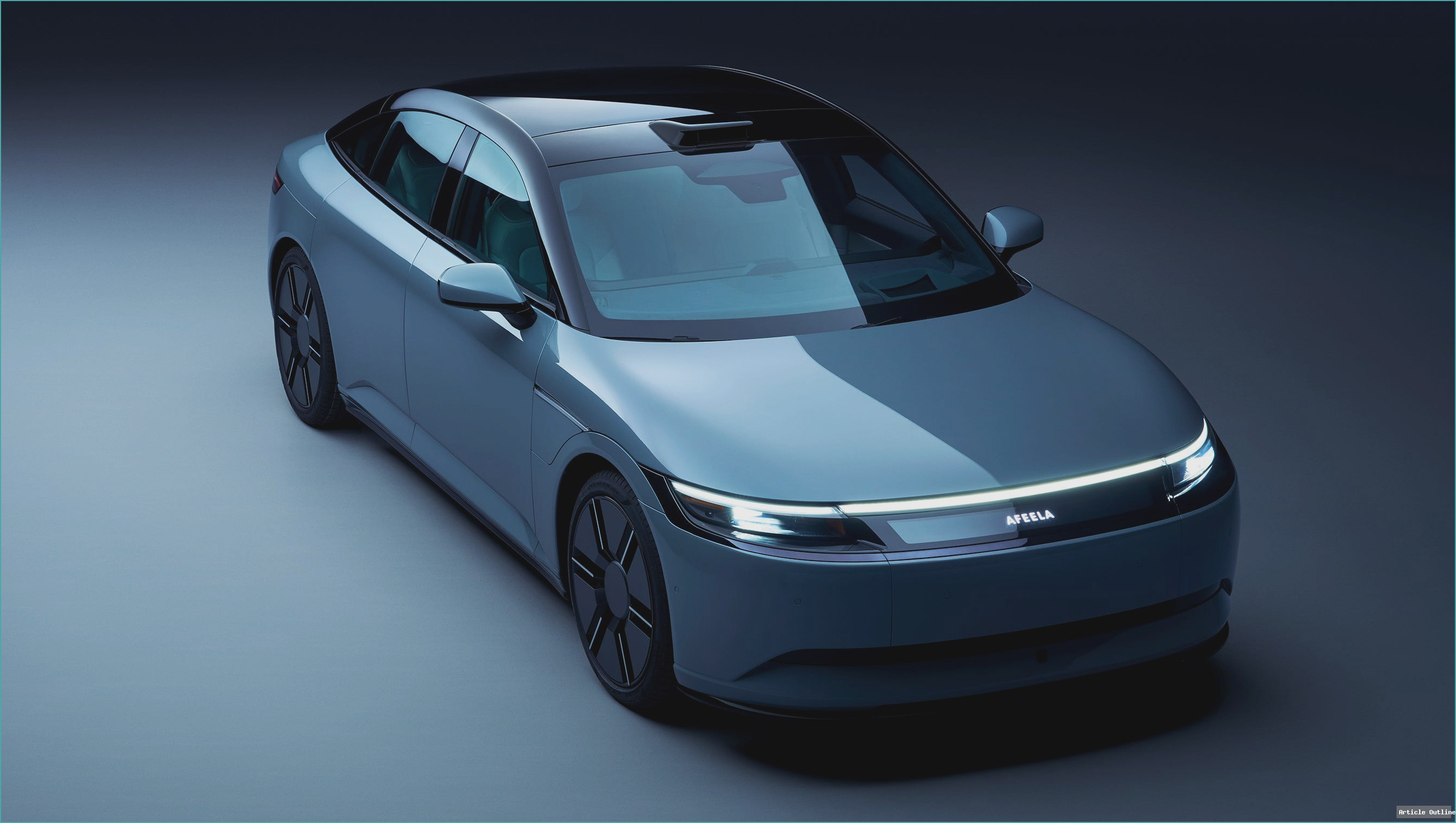
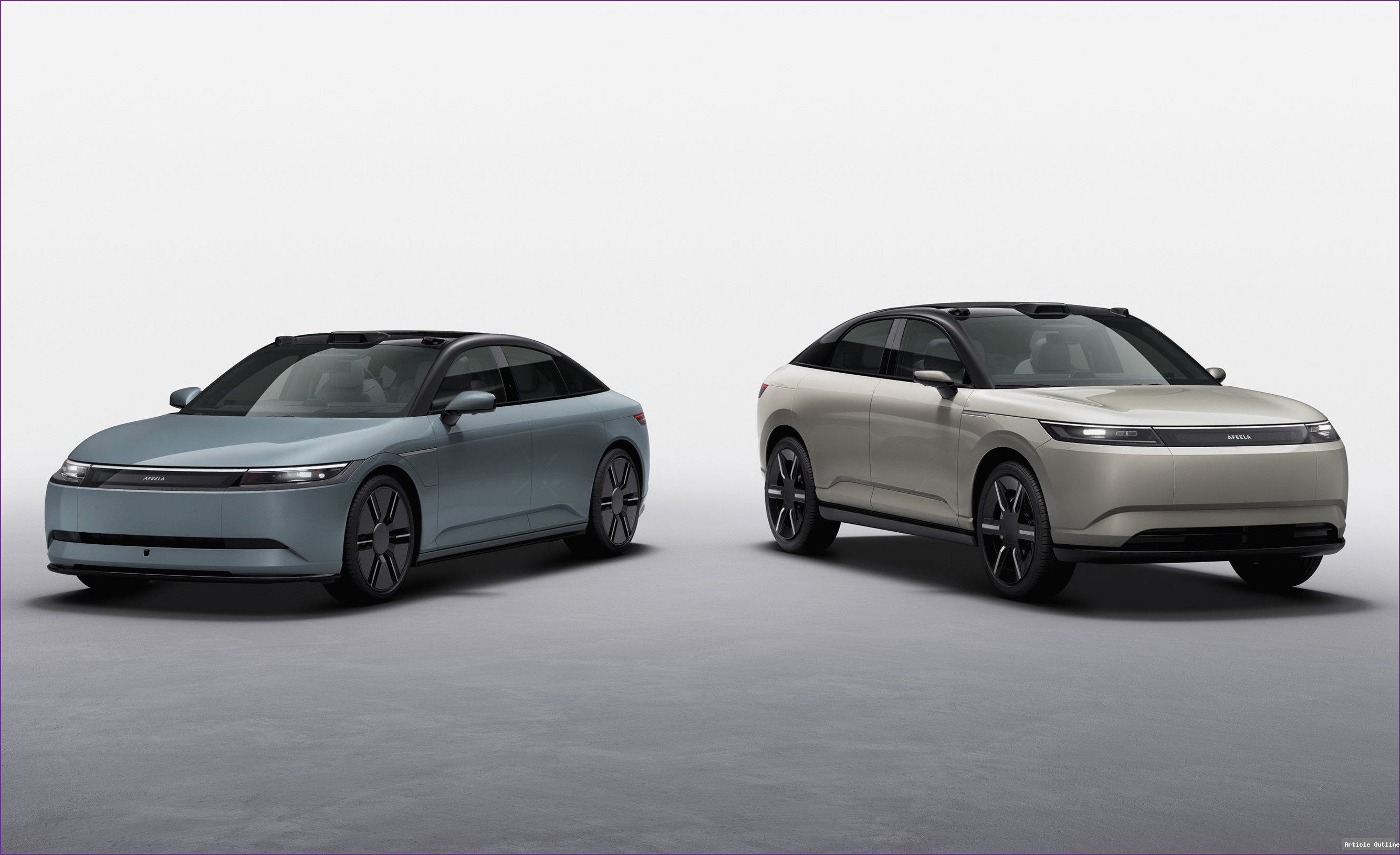
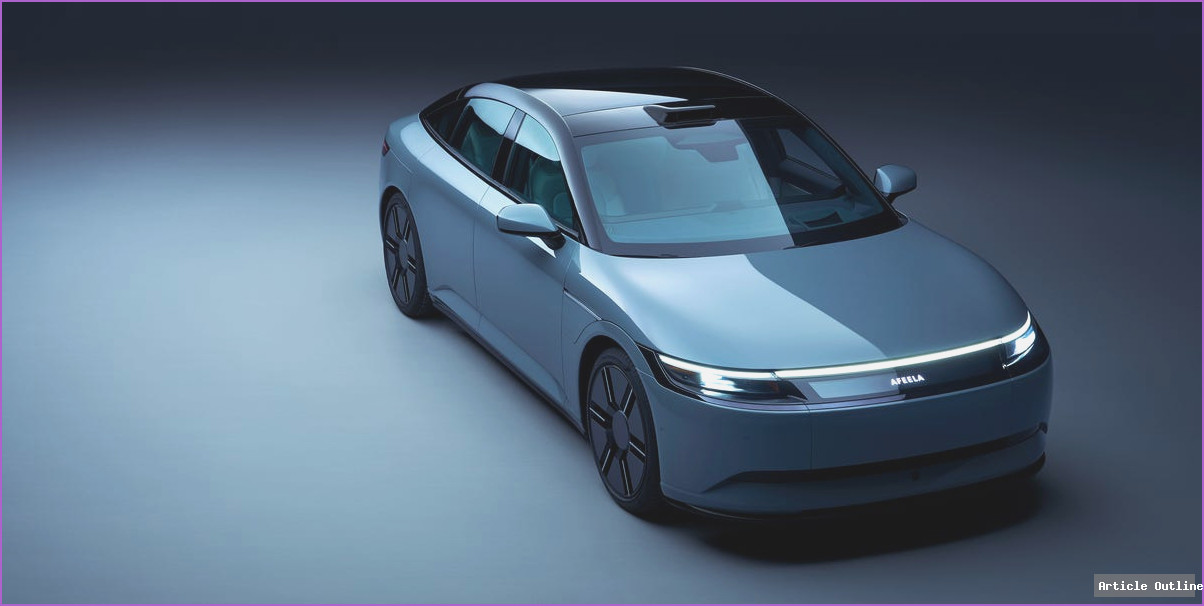
In a move that’s sent ripples through the electric vehicle (EV) world, Sony and Honda have officially pulled the plug on their highly anticipated Afeela 1 electric sedan. The joint venture, Sony Honda Mobility, wasn’t just another car project—it was a symbol of Japanese tech and automotive powerhouses joining forces to challenge Tesla, legacy automakers, and a flood of new Chinese EVs. So, why did this promising alliance stall out, and what are the broader implications?
Why This Matters
- The cancellation of the Afeela 1 is emblematic of the turbulence in today’s global EV market. The hype around EVs is now being tempered by economic realities, shifting consumer preferences, and fierce competition.
- Japan’s big automakers, once slow to embrace EVs, are finding it even harder to catch up as the bar for innovation and affordability keeps moving higher, especially as China’s BYD and Tesla push aggressive pricing and rapid tech advancements.
- Afeela wasn’t just about launching a new car—it was about redefining mobility, blending Sony’s entertainment and software prowess with Honda’s engineering heritage. Its demise raises bigger questions about whether partnerships or solo efforts work best in the EV era.
What Most People Miss
- Honda’s own EV backpedaling triggered the collapse of Afeela, not just market factors. Earlier this month, Honda scrapped plans for three new US-built EVs, cutting off the platform and technology Afeela depended on. This wasn’t a Sony decision—it was collateral damage.
- The Afeela 1 was shaping up to be a niche, premium product: $89,900 for the base Origin trim, over $100K for the Signature. For context, a Tesla Model S starts around $75K, with more power, range, and brand cachet. The Afeela’s estimated 300-mile range and 400+ hp specs were solid, but not groundbreaking at this price point.
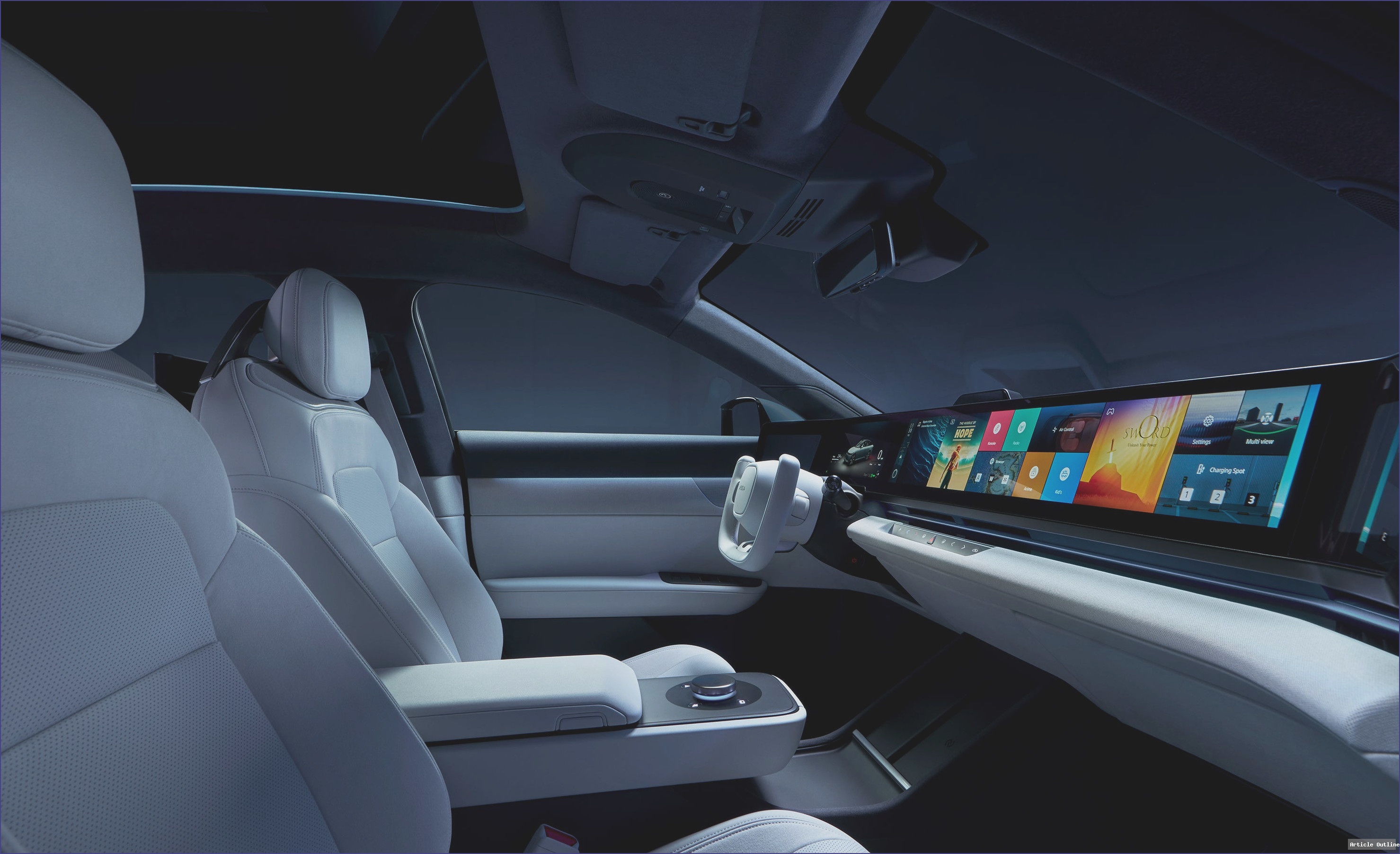
- Sony’s ambition to turn Afeela into a “rolling entertainment device” with advanced driver-assist and gaming integration was intriguing, but the actual car’s uninspired design and middling specs left critics unimpressed. Sometimes, the sizzle just isn’t enough to sell the steak.
Key Takeaways
- The EV market is brutally competitive, and even titans like Sony and Honda can stumble without the right timing, pricing, and differentiation.
- Automotive partnerships are risky, especially when one partner shifts strategy. Cross-industry alliances bring big promises—but also big dependencies.
- Consumers are demanding more value for money. A flashy badge and onboard PlayStation aren’t enough to justify six-figure price tags anymore.
- The refunding of all Afeela 1 reservations signals the end—at least for now—of Sony’s automotive ambitions. But don’t count them out forever: tech companies will keep circling the auto space as software, AI, and digital experience become vital to cars.
Industry Context and Comparison
- Honda’s EV retreat is part of a wider trend: Toyota, Nissan, and other Japanese giants have lagged behind in mass-market EV adoption, often betting on hybrids or hydrogen. Meanwhile, Chinese EV makers and Tesla have stormed ahead.
- Other tech-automaker tie-ups have also hit roadblocks: Apple canceled its car project earlier this year, and Dyson’s much-hyped EV fizzled in 2020. Building cars is hard—even for tech legends.
- According to IEA, global EV sales grew by 35% in 2023, but much of that growth is clustered in China and Europe. Japan risks falling further behind unless it pivots decisively.
The Bottom Line
- The Afeela 1’s cancellation is more than just a failed product launch—it’s a warning shot for the entire Japanese auto industry. The stakes are high, and the old playbook won’t cut it.
- Innovation, affordability, and boldness will decide the winners in the EV race. Will Sony and Honda try again or retreat to safer ground? Only time will tell.
Sources:
- Source
- Afeela 1 Model Overview
- Honda Backtracks on EVs
- Afeela SUV Prototype Reveal
- Afeela 1 Pricing Details