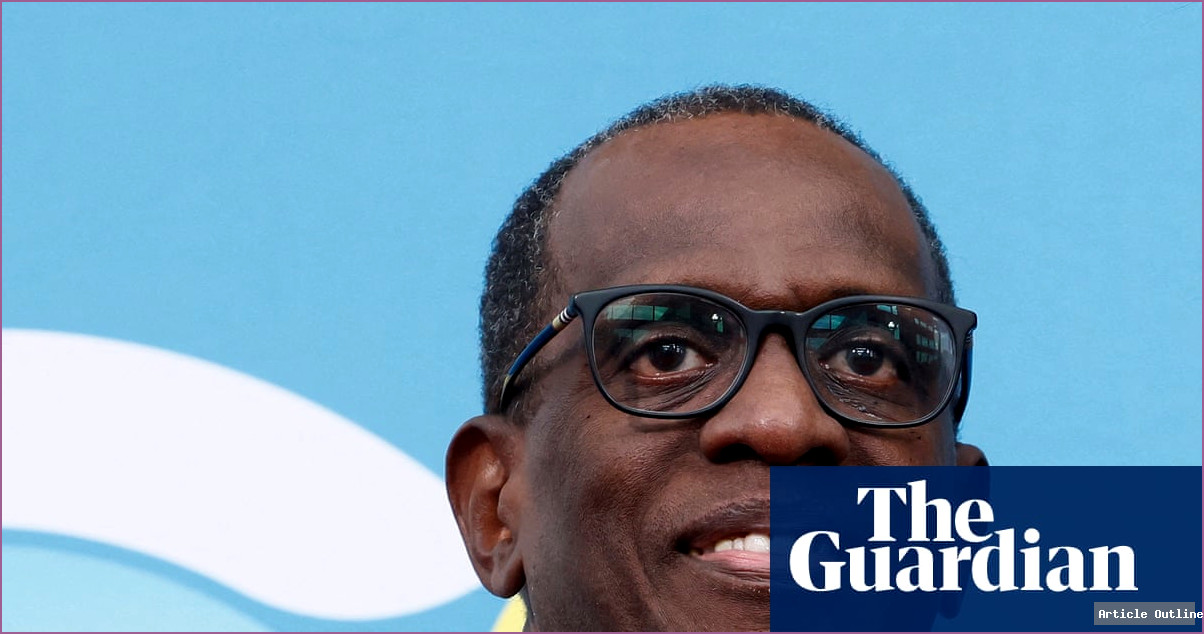
St Lucia’s political landscape just delivered a clear message: Prime Minister Philip Pierre and the Labour Party (SLP) have not only kept their majority but also cemented their approach to the nation’s biggest challenges—crime, the economy, and the controversial passport-for-sale scheme. But what does this actually mean for St Lucia, the Caribbean region, and global partners watching closely?
Why This Matters
- Stability in a Volatile Region: Caribbean nations have weathered major political upheavals lately. St Lucia’s choice bucks the trend, as seen in neighboring St Vincent and the Grenadines where a decades-long leader was ousted just days earlier.
- Regional Security Concerns: With the US boosting its military presence to combat drug trafficking nearby, and limitations on US support due to human rights issues, St Lucia’s government will have to balance sovereignty with diplomacy.
- Passport Sales Under Scrutiny: The citizenship-by-investment (CBI) program, a lifeline for St Lucia’s economy, faces mounting international pressure. The US fears these programs could be exploited by actors from countries like China and Iran.
What Most People Miss
- The US Leahy Law’s Ripple Effect: The law’s restrictions on supporting police forces accused of human rights abuses limit St Lucia’s access to American aid and training, impacting the fight against crime—a central election issue.
- Competition from the US “Gold Card” Proposal: Washington’s own fast-track visa for the wealthy threatens to undercut Caribbean CBI programs, potentially siphoning off much-needed revenue.
- A Tale of Two Islands: While St Lucia voted for continuity, its neighbor voted for change. This divergence may shape future regional alliances and policy directions.
Key Takeaways
- SLP secured 13 of 17 seats, matching its previous majority.
- Pierre received 57.1% of the vote compared to opposition leader Allen Chastanet’s 37.3%.
- CBI remains a double-edged sword: It’s a vital revenue stream but a diplomatic headache.
- Crime and economic management will remain Pierre’s top challenges, especially given limited outside support.
Industry Context & Regional Trends
- CBI programs have generated hundreds of millions of dollars for Caribbean economies, but several are tightening regulations after international backlash.
- US and EU are scrutinizing CBI schemes, citing security and money-laundering risks. Some nations have already revoked or suspended programs under pressure.
- The region is at a crossroads: balancing economic survival with international compliance.
Pros & Cons of St Lucia’s Path Forward
- Pros:
- Political stability gives investors and tourists confidence.
- Continuity may help with long-term policy planning.
- SLP’s win signals public support for Pierre’s pragmatic, steady approach.
- Cons:
- Pressure on CBI could squeeze government finances.
- Persistent crime and limited police resources may strain governance.
- Regional dynamics could shift against St Lucia if neighbors pursue reform more aggressively.
The Bottom Line
St Lucia’s election outcome is more than just a political scoreboard—it’s a referendum on how small island nations juggle economic realities, international scrutiny, and domestic security. Pierre’s victory gives him a mandate, but the real test will be whether his government can strengthen the economy and public safety without losing the trust of the international community—or the people at home.