Subaru’s latest recall involving 71,207 hybrid Crosstrek and Forester SUVs is more than just another technical mishap—it’s a wake-up call for automakers and eco-conscious drivers alike. While the immediate threat—a fuel leak leading to a potential fire—grabs headlines, the deeper story offers lessons about rapid innovation, consumer safety, and the evolving landscape of hybrid vehicles.
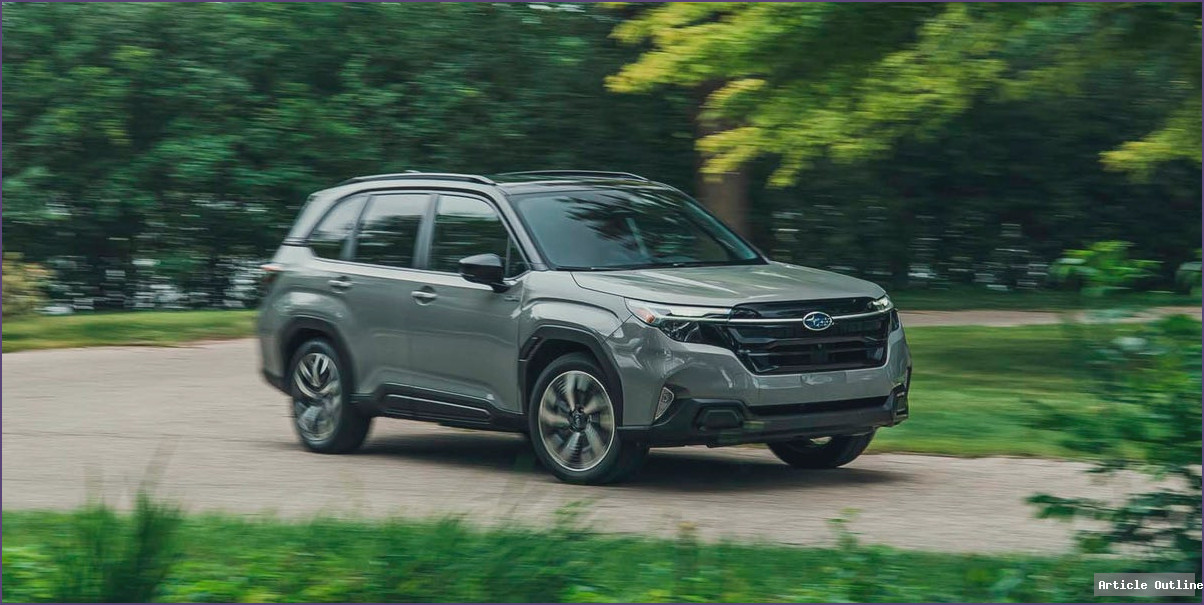
This isn’t your typical recall. Subaru is advising owners to park their vehicles outside and to avoid filling the tank more than halfway—a rare level of caution that underscores the seriousness of the issue. The culprit? A faulty fuel cap seal that, under hot conditions and with a nearly full tank, can let gasoline escape, creating an unnerving fire hazard. So far, 33 reports have surfaced, but thankfully, no fires or injuries have been confirmed.
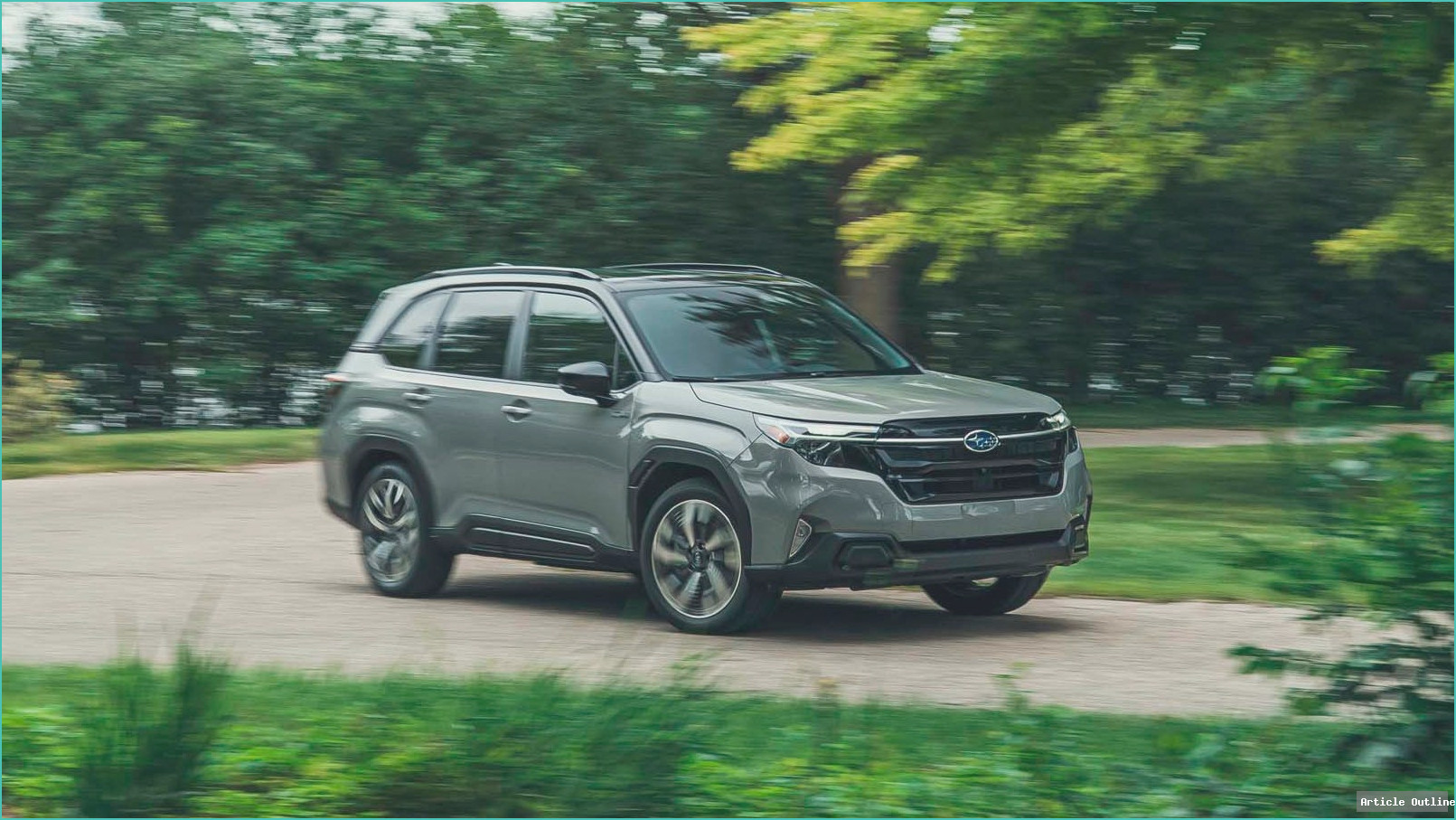
Why This Matters
- Hybrid adoption is accelerating, and consumers expect these vehicles to be safer and more reliable than their gas-only predecessors. This recall shakes that confidence—and puts extra scrutiny on every hybrid launch.
- Environmental and safety reputations are at stake. Subaru built much of its brand on safety and environmental responsibility. An incident like this can have long-term ramifications for trust and market share.
- The recall highlights a crucial industry tension—the race to deliver new tech vs. the need for exhaustive quality control. As automakers push to electrify lineups, some vulnerabilities might slip through the cracks.
What Most People Miss
- Not just a design flaw, but a systems challenge: This fuel cap issue only occurs under specific conditions—nearly full tank, high heat, vehicle parked. It’s a reminder that modern vehicles are complex systems where minor components can have outsized consequences.
- Recalls have ripple effects: Dealers must manage service surges, supply chains scramble for improved parts, and resale values can take a hit. Plus, every recall feeds into insurance risk models and future regulatory scrutiny.
- Proactive communication is key: Subaru’s advice to park outside and half-fill the tank is unusually direct, reflecting both urgency and a desire to avoid worst-case scenarios.
Key Takeaways
- Recall Details: 71,207 hybrids affected (51,707 Forester Hybrids, 19,500 Crosstrek Hybrids from 2025–2026).
- Action Steps for Owners: Park vehicles outdoors, fill tanks halfway, await notification (mailings by March 25, 2026), and schedule a dealer visit for a new gasket with an O-ring.
- No Injuries So Far: Despite 33 U.S. reports, there have been no confirmed fires or injuries. Swift action may have prevented worse outcomes.
- Industry Context: Recalls are not rare—in 2023, over 30 million vehicles were recalled in the U.S. alone—but a fire risk in a green vehicle is especially damaging to brand perception.
Pros and Cons Analysis
- Pros:
- Subaru’s transparency and clear instructions show strong crisis management.
- Fix is straightforward and does not require complex repairs.
- Cons:
- Brand trust takes a hit, especially among eco-minded buyers.
- Potential for resale value impact and customer inconvenience.
- Industry-wide, highlights risks of rapid hybrid/electric rollout.
The Bottom Line
This recall is a cautionary tale for both automakers and buyers: even in an era of advanced safety and green credentials, the smallest component can trigger the biggest headaches. Subaru’s fast, open response helps, but the underlying pressures of innovation, quality, and safety will only intensify as the hybrid and EV markets boom. If you own an affected Forester or Crosstrek, take Subaru’s advice seriously—and watch this space for how the industry adapts to avoid the next big recall.