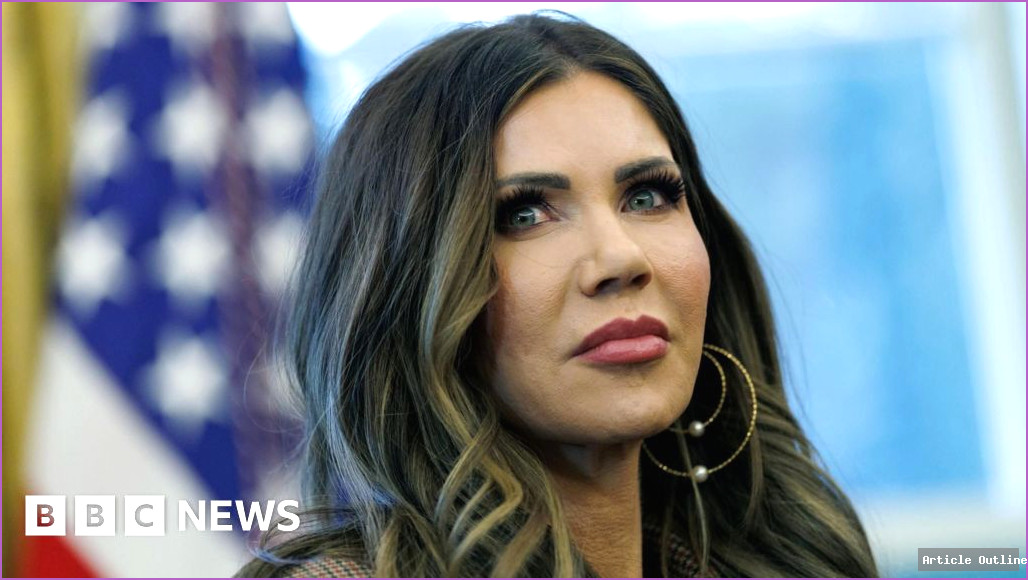
The US Department of Homeland Security, led by Kristi Noem, is pushing for an unprecedented expansion of travel bans targeting countries allegedly ‘flooding’ the US with criminal activity. This move, backed by President Donald Trump, signals a dramatic escalation in America’s approach to immigration and national security.
But beneath the headlines, there’s a complex web of political calculation, humanitarian implications, and global consequences that most people are missing.
Why This Matters
- Potentially the Largest Modern US Travel Ban: With talk of expanding restrictions to 30 countries, this could become the most sweeping travel ban in recent US history, affecting millions of people globally.
- Policy Ripple Effects: Travel bans don’t just impact would-be travelers—they disrupt families, international business, refugee resettlement, and America’s diplomatic standing.
- Security vs. Humanitarian Balance: The moves follow a high-profile crime involving an Afghan national, fueling a classic debate: how do nations balance security with the rights and needs of refugees and immigrants?
What Most People Miss
- The Numbers Behind the Narrative: While the policy is justified by isolated incidents, statistically, refugees commit crimes at lower rates than native-born Americans according to multiple studies. Yet, single incidents drive broad policy.
- Impact on US Allies: Many Afghans facing restriction were US partners during the 20-year Afghanistan conflict. The Afghan Community Coalition warns that blanket bans risk betraying these allies and undermining future trust in US commitments abroad.
- International Legal Tensions: The UN has already flagged that such bans might violate international refugee conventions to which the US is a signatory. That’s a potential legal and diplomatic headache.
Key Takeaways
- The new bans could affect up to 30 countries, primarily in Africa, the Middle East, and the Caribbean.
- Recent violent incidents are being used as justification for a broad policy that affects far more than just security risks.
- The Biden-era Operation Allies Welcome, designed to help Afghan partners, is now under scrutiny, with calls for overhauled vetting processes.
- All asylum decisions have been paused pending a review, potentially stranding thousands who are already in the US or seeking entry.
Timeline of Key Events
- Early June: White House lists 19 countries facing travel restrictions.
- Mid-June: Kristi Noem meets with President Trump, proposes expanding the list to 30 countries.
- June 12: DC shooting involving Afghan national ignites political firestorm.
- June 14: Trump administration pauses asylum requests, signals review of green cards for migrants from restricted countries.
Pros and Cons Analysis
- Pros: Could address genuine security concerns; signals tough stance on crime for voters; may deter illegal migration.
- Cons: Risks harming innocent refugees and US allies; could damage America’s international reputation; may prompt retaliatory measures from affected countries; raises legal and moral questions.
Expert Commentary
“Blanket bans rarely achieve their intended security outcomes and often create humanitarian crises that echo for generations.” — Dr. Maria Alvarez, Immigration Policy Analyst
Action Steps and Practical Implications
- If you have pending travel or immigration plans involving the US, consult an immigration attorney immediately.
- Watch for DHS announcements detailing affected countries and new vetting procedures.
- Advocacy groups and legal organizations are likely to challenge these bans—expect court battles ahead.
The Bottom Line
The new US travel bans are about more than just headline-grabbing policy—they’re a stress test for America’s values, global alliances, and legal commitments. As the details emerge, the world will be watching not just what the US does, but what it stands for.