In a move that’s got both Tesla fans and critics buzzing, Tesla has quietly discontinued its Basic Autopilot feature for new U.S. buyers—a staple that once set the brand apart. Now, if you want anything more than basic cruise control, be prepared to shell out $99 a month for Full Self-Driving (FSD). But what does this really mean for car buyers, Tesla’s position in the industry, and the evolution of assisted driving?
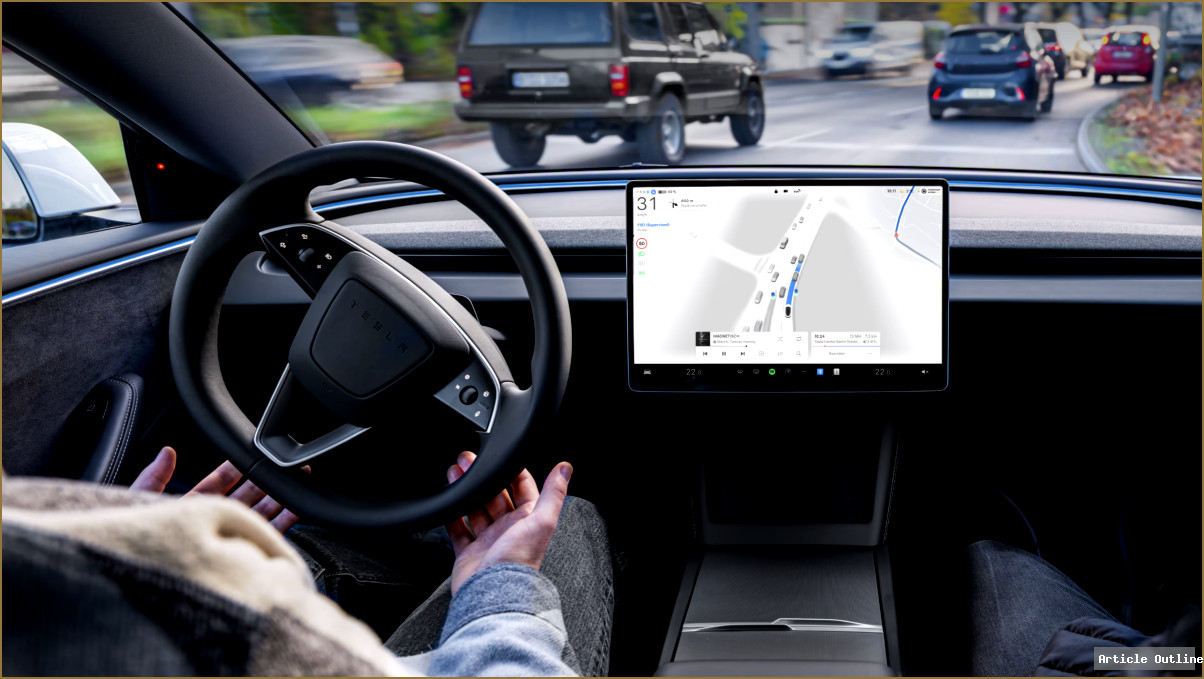
This isn’t just a minor tweak; it’s a fundamental shift in how Tesla monetizes its technology and how customers experience advanced driver assistance. Let’s break it all down.
Why This Matters
- Tesla is no longer including Autosteer (lane centering) as standard. Buyers are left with only Traffic-Aware Cruise Control unless they subscribe to FSD.
- The paywalling of basic safety features marks a new era of software-driven monetization in the auto industry.
- With FSD still in beta and not truly “full self-driving,” many feel they’re paying premium prices for features that are standard elsewhere.
What Most People Miss
- Tesla’s decision is a major outlier in the industry. Brands like Toyota, Honda, and even budget options from Hyundai and Kia include lane centering and adaptive cruise as standard on most models.
- This move could backfire. As mainstream automakers catch up on tech, Tesla risks losing its value proposition for entry-level buyers.
- In Europe, Tesla still offers Basic Autopilot as standard due to regulatory hurdles for FSD—a rare case where European buyers get a better deal than Americans.
- Transparency issues: Tesla’s online configurator now omits any mention of “Autopilot,” leaving customers in the dark unless they dig deep.
Key Takeaways
- Cost Creep: What was once free now costs $1,188 a year, or a one-time $8,000 (the latter soon to be discontinued).
- Value Questioned: With FSD still a work in progress, is the subscription worth it for everyday drivers who just want basic assistance?
- Market Impact: Tesla is betting drivers will pay for software, but some may simply look elsewhere—especially as federal and state incentives for EV adoption tighten.
- Regulatory Uncertainty: In Europe, Autopilot remains, but that could change if FSD is ever approved, potentially angering customers further.
Timeline: How Did We Get Here?
- 2014–2019: Tesla includes Autopilot (Autosteer + adaptive cruise) as standard on all new cars.
- 2020–2024: Enhanced Autopilot and FSD offered as paid upgrades, but basic features remain free.
- 2026: Basic Autopilot removed in U.S.; only Traffic-Aware Cruise Control is standard. FSD subscription ramps up to $99/month.
Pros and Cons Analysis
- Pros:
- Potentially faster software improvements funded by recurring revenue.
- Premium buyers (Model S/X/Cyberbeast) get FSD included.
- Cons:
- Entry-level buyers lose value—a key Tesla differentiator vanishes.
- Subscription fatigue: Yet another monthly bill for features that are free elsewhere.
- Could dampen Tesla’s brand appeal among first-time EV buyers.
Expert Insight
“Tesla pioneered the software-first approach in automotive, but removing core safety features from the standard package sets a precedent that rivals may exploit. If competitors offer more value for less, Tesla’s market share could erode—especially in the fiercely competitive sub-$40,000 segment.”
The Bottom Line
Tesla’s gamble may increase revenue from subscriptions, but it risks alienating budget-conscious buyers and ceding ground to rivals who are catching up fast on tech and value. The company’s next move—and its competitors’ response—could define the future of paid software in the car industry.