The end of the road for the Tesla Model S and Model X marks more than just the retirement of two vehicles—it’s a seismic shift in the company’s DNA, and possibly the auto industry’s future.
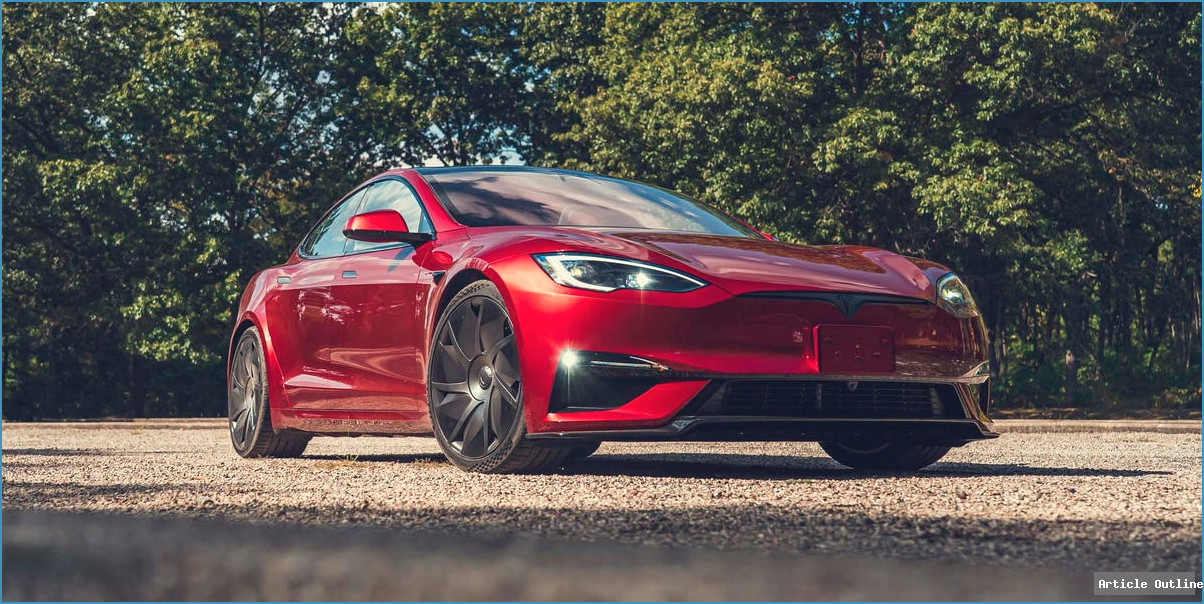
Elon Musk’s announcement to halt production of these flagship models isn’t just about making room for something new; it’s about Tesla betting its chips on a future that goes beyond four wheels and steering wheels. The move frees up resources for the ambitious Optimus humanoid robots, pushing Tesla into uncharted territory: robotics and artificial intelligence at mass scale.
Why This Matters
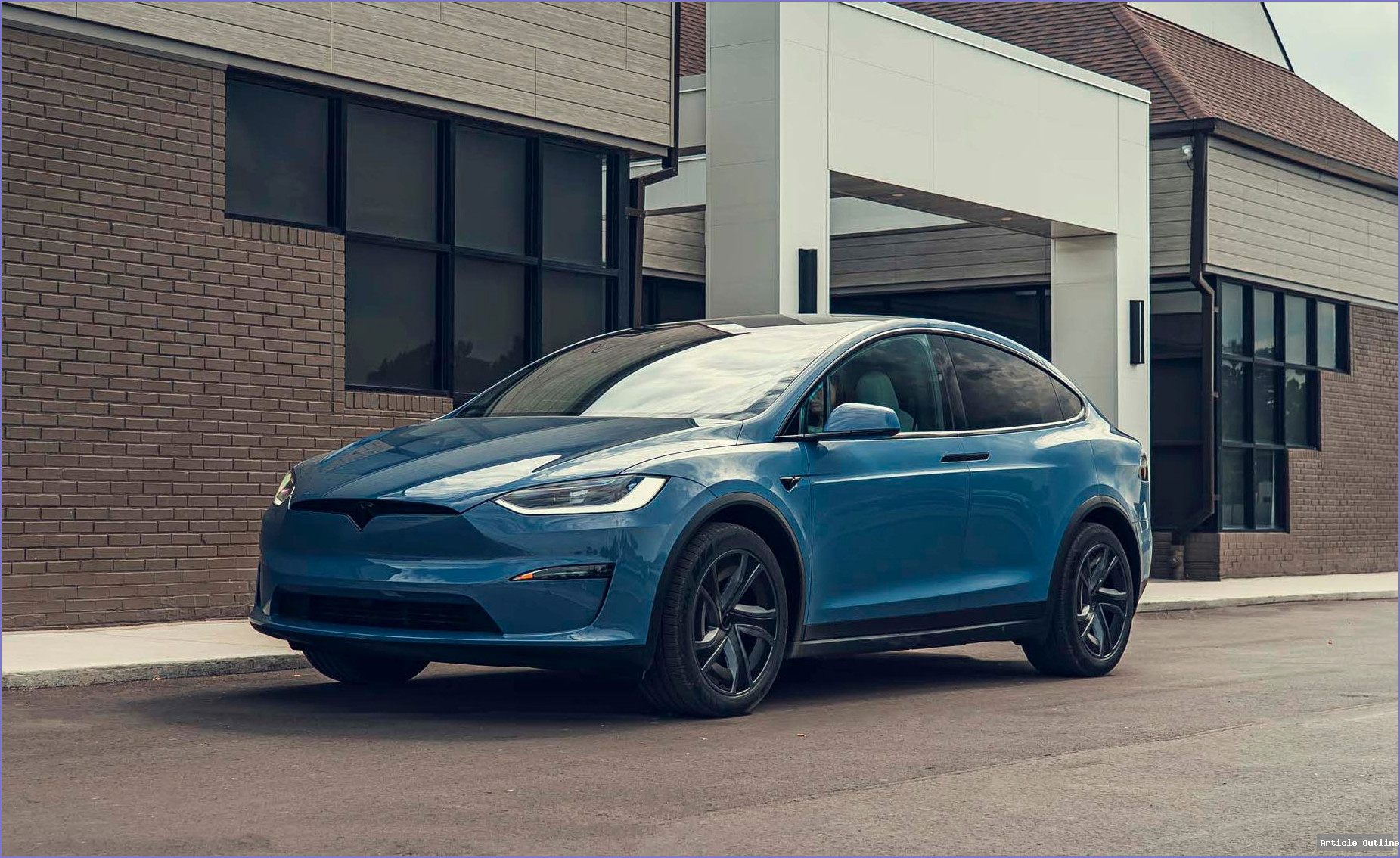
- Legacy to Leap of Faith: The Model S redefined electric vehicles (EVs), showing the world that EVs could be fast, luxurious, and aspirational. The Model X, with its signature falcon-wing doors, pushed boundaries in SUV design. Ending these models signals Tesla’s belief that their greatest disruption lies ahead—not behind.
- Industry Wake-Up Call: Traditional automakers have scrambled for a decade to catch up with Tesla’s EV head start. Now, Tesla’s pivot toward robots and AI may leave others flat-footed again as the definition of ‘mobility company’ expands.
- Factory Transformation: Repurposing the Fremont factory for robots means Tesla is aiming for production volumes (a million Optimus robots per year!) that rival car manufacturing—reflecting a bet that robots will be as ubiquitous as cars in the near future.
What Most People Miss
- Declining Sales, Rising Prices: Model S/X sales have been dropping for years, partly due to price hikes and the rise of more affordable (and practical) Model 3 and Model Y. Tesla isn’t just chasing innovation for its own sake—it’s responding to shifting consumer demand and profitability calculus.
- Tesla as a Tech Company, Not Just an Automaker: Musk’s vision has always been about more than cars. This move solidifies Tesla’s identity as a platform for AI, robotics, and autonomous technology, not just vehicles.
- Risk of Alienating Loyalists: The Model S/X are status symbols for early adopters, tech enthusiasts, and EV evangelists. Killing them off may leave some core fans nostalgic—or disgruntled.
Key Takeaways
- End of an Era: The Model S and X helped make electric cars cool and mainstream.
- Tesla’s Next Chapter: The company is doubling down on AI and robotics, betting it can lead in yet another disruptive market.
- Broader Implications: If Tesla succeeds, we could see a future where humanoid robots are as common in homes and businesses as cars are on the road.
Pros & Cons of Tesla’s Pivot
- Pros:
- First-mover advantage in consumer robotics
- Freed-up factory capacity for cutting-edge projects
- Potentially higher margins in tech/robotics versus cars
- Cons:
- Loss of iconic flagship vehicles
- Risky bet if robotics market doesn’t materialize quickly
- Possible loss of brand cachet among traditional car buyers
The Bottom Line
Tesla’s decision to sunset the Model S and X isn’t just the end of two models—it’s the start of a new identity for the company. Tesla is betting that the next big revolution isn’t in the garage, but in your living room, office, and city streets, with robots doing everything from mundane chores to complex tasks. If history is any guide, the rest of the industry should take note. As always, with Musk at the helm, expect the unexpected—and buckle up for the ride.