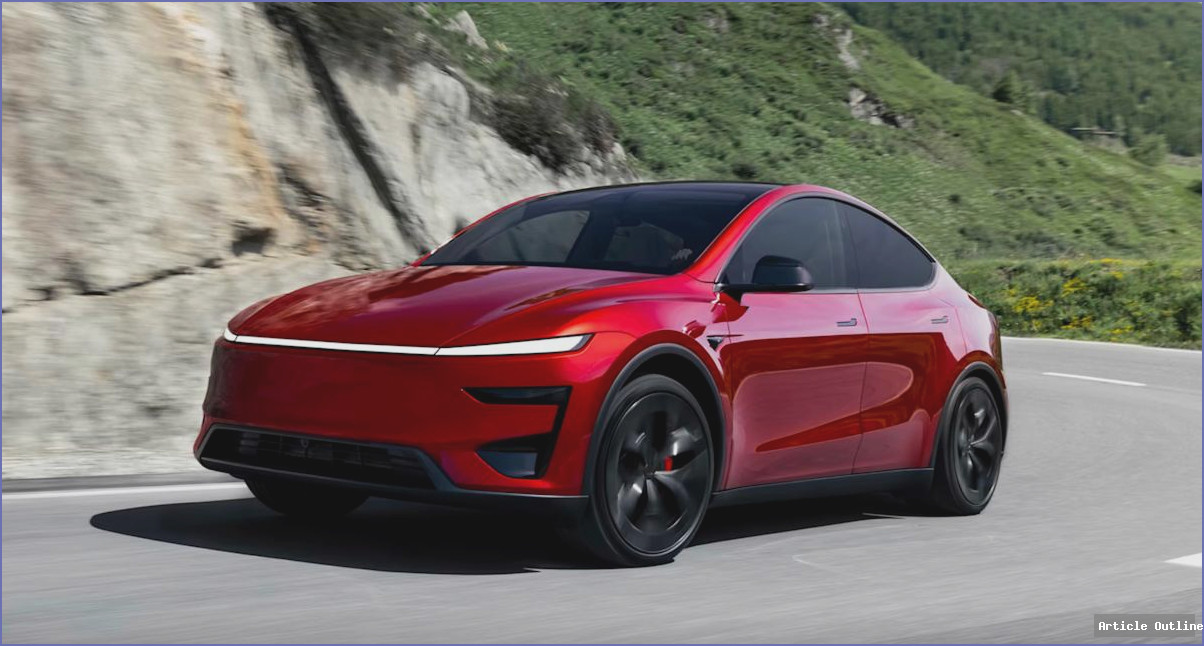
Tesla just reignited the family SUV arms race with the return of the seven-seat Model Y for 2026. While it might seem like a simple add-a-row move, this update is more strategic than most headlines suggest—and it could reshape expectations for electric crossovers.
Why This Matters
- The EV wars are heating up: Tesla’s flagship SUV faces fierce competition, especially from BYD, which recently overtook Tesla in global EV sales.
- Family buyers want flexibility: Seven seats, even if the last row is kid-sized, answer a major demand from suburban and urban parents reluctant to ditch gasoline SUVs.
- It’s not just about seats—it’s about market share: Expanding configurations helps Tesla stay relevant as other automakers flood the market with feature-rich, affordable electric crossovers.
What Most People Miss
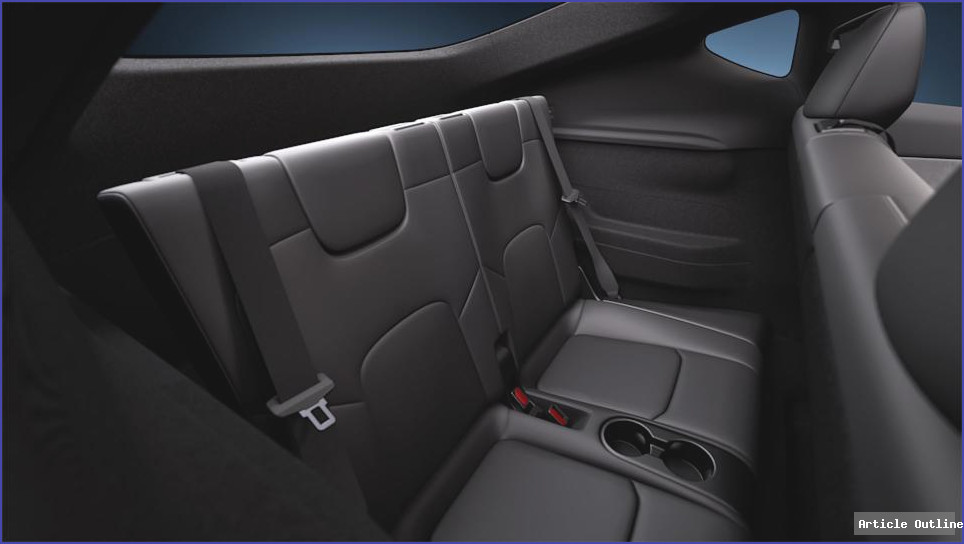
- Third row is for kids, not adults: The new seats are clearly designed for smaller passengers. Images reveal limited legroom—a compromise familiar to anyone who’s tried to squeeze into the back of a midsize SUV.
- Fold-flat flexibility: Both the second and third rows fold down, but it’s unclear if the third row is power-operated. That matters for usability and cargo-hauling practicality.
- Only available on the priciest trim: You’ll need to pony up for the Premium All-Wheel-Drive Long Range version and an extra $2,500 for the seats. This isn’t a budget family hauler yet.
Key Takeaways (with Expert Perspective)
- Tesla is playing catch-up (again): The Model Y briefly offered seven seats in the US before, then dropped the option. Meanwhile, Chinese buyers got a six-seat “Model YL” with a longer wheelbase—a model that may never make it stateside. Tesla’s lineup has lacked the flexibility of rivals like the Kia EV9 and Rivian R1S, which offer more spacious third rows.
- Minor updates, major message: Beyond the extra seats, the 2026 Model Y gets cosmetic tweaks (dark-grey Helix wheels, black headliner, bigger 16” screen) but no game-changing tech. The real play here is showing Tesla is listening to families and adapting quickly.
- It’s about keeping the crown: As Tesla loses its grip on the EV sales lead, expect more frequent (if incremental) updates aimed at holding onto mainstream buyers.
How Does It Stack Up?
- Kia EV9: True three-row EV SUV, more adult-friendly rear seats, but pricier and larger footprint.
- Volkswagen ID. Buzz: Funky minivan alternative, family-focused, but not as fast or tech-forward as Tesla.
- Rivian R1S: Adventure-oriented, luxurious, and roomy—but starts well above the Model Y’s price point.
Action Steps for Buyers
- Test the third row in person—if you regularly haul adults, look elsewhere.
- Compare cargo space with and without the third row up—Tesla’s configurator images suggest compromises.
- Factor in total cost: Premium trim + third row = a higher out-the-door price than base five-seaters.
The Bottom Line
Tesla’s seven-seat Model Y is a targeted move to win back families and stem market share losses to rivals. While the third row is more for kids than adults, it signals Tesla’s willingness to tweak its formula in the face of global competition. If you want an all-electric family SUV with Tesla’s tech—and don’t mind squeezing into the last row—this update is big news. For everyone else, it’s a sign that the EV segment’s arms race is just getting started.