The race for ‘green’ minerals is heating up, but at what human cost? As the US and EU pour billions into the Lobito Corridor—a railway project slicing through the Democratic Republic of the Congo (DRC) to Angola’s port—there’s a brewing storm. According to Global Witness, up to 6,500 people could lose their homes, and over 1,200 buildings may face demolition in Kolwezi, all in the name of critical minerals for the global energy transition.
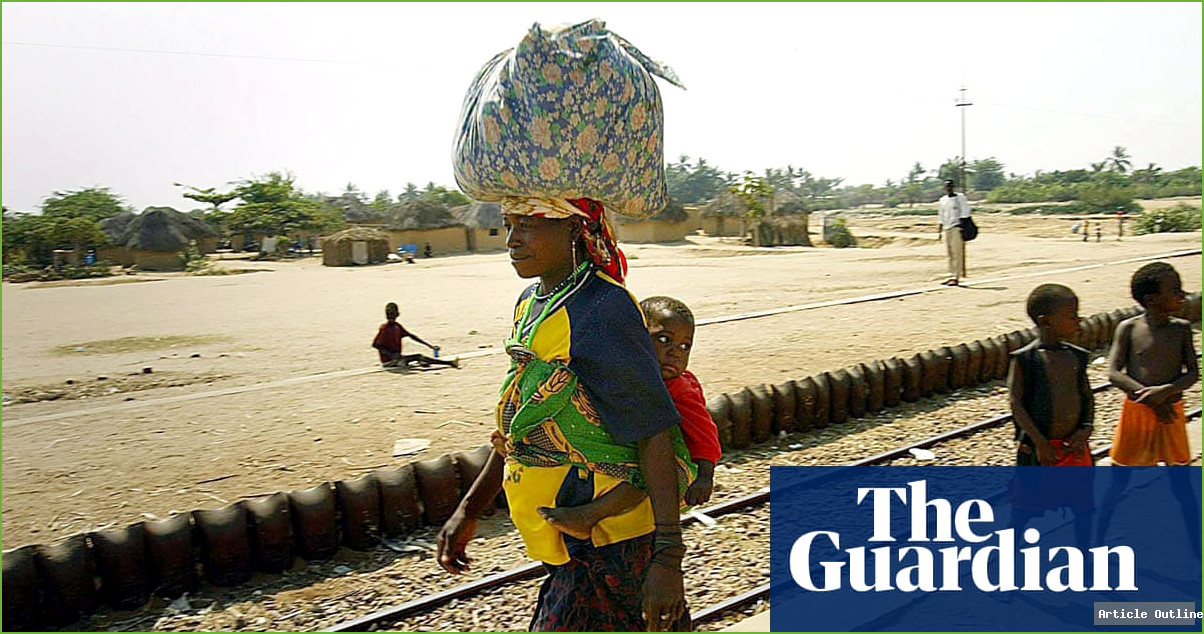
It’s a story that’s becoming all too familiar: The promise of sustainable technology, built on the backs of vulnerable communities. But this time, the numbers—and the stakes—are staggering.
Why This Matters
- Critical minerals like copper and cobalt are essential for EV batteries and renewable tech—and the DRC holds over 60% of the world’s cobalt reserves.
- Geopolitical maneuvering is in full swing: The West is desperate to break China’s near-monopoly on these supply chains. The Lobito Corridor is their new trump card.
- Displacement is not just a local issue: Forced evictions and unplanned resettlement can destabilize entire regions, fueling poverty, resentment, and sometimes conflict.
What Most People Miss
- “Illegality” is complicated: Many Kolwezi residents settled near the railway decades ago, often with tacit approval or due to lack of enforcement. Dismissing them as “illegals” ignores a long history of informal land tenure and government neglect.
- The buffer zone is expanding: The current buffer is 10 meters, but future plans could push it to 25 meters each side—greatly amplifying the number of people at risk.
- Promises vs. Practice: While the EU touts “the highest social and environmental standards,” community leaders in Kolwezi say past demolitions for infrastructure came with little or no compensation. Trust, understandably, is in short supply.
Key Takeaways & Industry Context
- The Green Tech Paradox: The cleaner the world wants to be, the dirtier the politics and human rights record can get in mineral-rich countries. This isn’t unique to the DRC—similar stories unfold in South America and Asia.
- Money Talks: The project has attracted huge investment—$455 million for Angola’s railway, $100 million for the DRC segment, plus hundreds of millions more from Western governments. But will any of that trickle down to those most affected?
- Transparency & Accountability: Companies and governments promise social impact assessments and “fair compensation.” But, as history shows, these often lag behind bulldozers.
- Global Trend: From the lithium brine fields of Chile to the nickel mines of Indonesia, local communities are bearing the brunt of the green revolution’s land rush.
Timeline: The Lobito Corridor at a Glance
- 1980s-2000s: Benguela railway falls into disuse.
- 2023: Lobito Atlantic Railway (LAR) wins a 30-year concession for the Angola section; Western funding starts to flow.
- 2024-2025: Rehabilitation ramps up, triggering fears of displacement in Kolwezi.
- 2025: Global Witness report shines a spotlight on the human cost; EU and US pledge additional investment and social safeguards.
Pros and Cons: The Lobito Corridor
- Pros: Unlocks critical mineral exports, boosts regional trade, offers potential for economic growth.
- Cons: Human displacement, questionable land rights, risk of social unrest, and a repeat of extractive industry abuses.
Action Steps & Practical Implications
- Independent Monitoring: Civil society and international watchdogs must demand transparency and real-time monitoring of displacement and compensation plans.
- Community Consultation: Affected residents deserve a seat at the table—not just after the fact, but from the outset.
- Sustainable Investment: If the West wants to outcompete China, it must do better than “business as usual” in Africa. Ethical sourcing must be more than a buzzword.
“You can’t say [the residents] are ‘illegal’. No one has prevented them from building. They’ve been left to live there for 10, 20, 30 years.” — Donat Kambola, IBGDH
The Bottom Line
The global race for critical minerals is a double-edged sword. The Lobito Corridor could reshape Africa’s place in the green economy, but not without exacting a steep price from those least able to pay. The real test: Will this be another case of promises made and broken—or can international stakeholders finally put people before profit?