Think you’ve seen every rare roadster out there? Think again. The 1997 Kia Vigato up for auction on Bring a Trailer might just be the ultimate automotive curveball—one that combines British handling, Japanese engineering, Korean manufacturing, and a badge most people associate with economical sedans rather than high-revving convertibles.
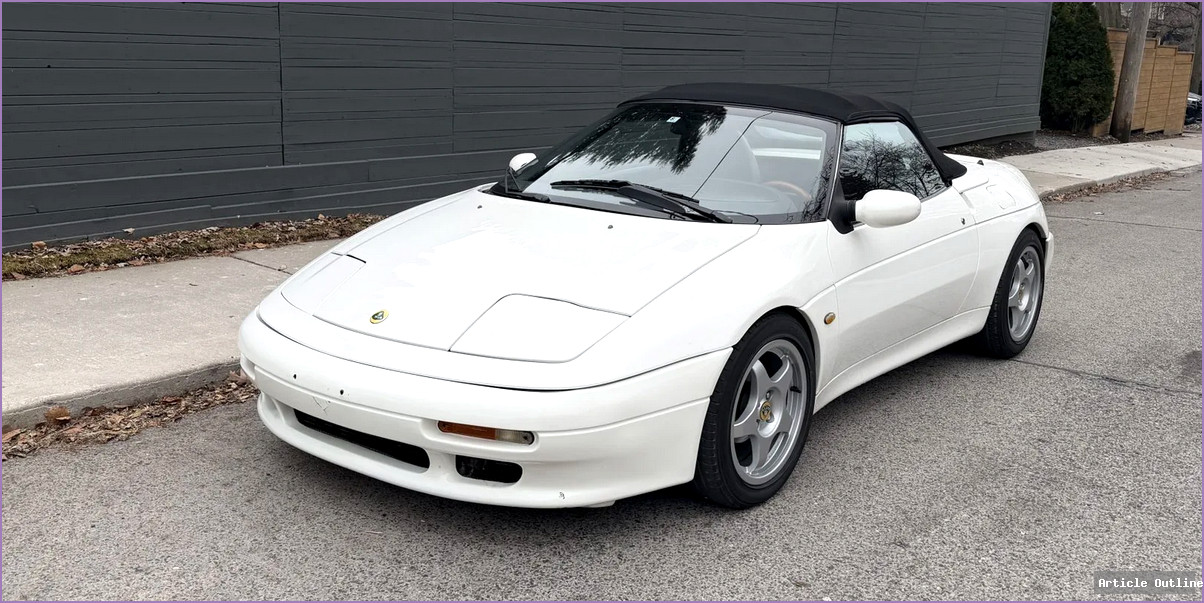
Let’s dive into why this oddball is more important (and interesting) than it looks—and why it could become a cult classic in the coming years.
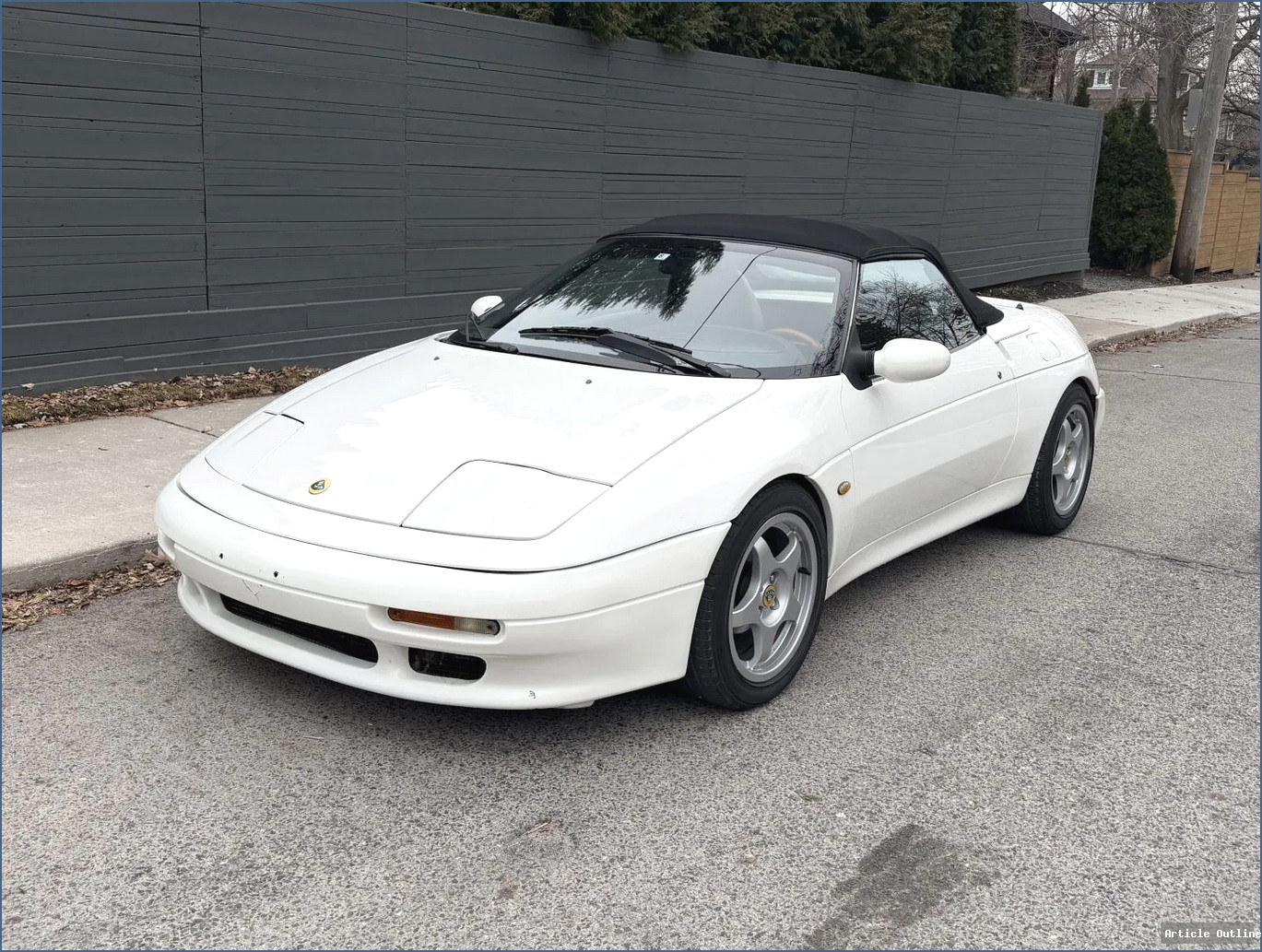
Why This Matters
- The Vigato is Kia’s only sports car—ever. For a brand now synonymous with value-packed crossovers, this is a fascinating outlier.
- It’s a rebadged Lotus Elan M100, one of the very few front-wheel-drive Lotuses, and a car often overshadowed by the Mazda Miata (MX-5).
- The Vigato’s story reflects the globalized nature of car manufacturing in the 1990s: designed in Britain, powered by a Japanese engine, assembled in Korea, and exported to Japan—before finally landing in North America as a collector’s oddity.
What Most People Miss
- The Vigato isn’t just a badge swap. It retained much of the Lotus DNA—think lightweight chassis, sharp handling, and a manual soft top. But Kia’s tweaks (like a simpler 1.8L engine, not the original turbo 1.6L) made it more reliable and easier to maintain.
- Production numbers were tiny. Only a few hundred Kia Elans (Vigatos) ever rolled out, making them rarer than many ’90s exotics. Try finding another one at your next cars & coffee event!
- It’s a conversation starter with true cross-continental heritage. This car’s journey—Britain to Korea to Japan to Canada—is a microcosm of the global car industry’s wild 1990s evolution.
Key Takeaways
- The Kia Vigato is a unicorn—a collector’s car hiding behind an economy badge.
- It offers a driving experience on par with the best lightweight sports cars of its era, but with exclusivity even Miata owners can’t claim.
- Values for obscure, well-built oddities like this are rising as enthusiasts seek something different.
Industry Context
The 1990s saw many brands experiment with partnerships and badge engineering. While most of Kia’s global presence in the ’90s was built on rebadged Mazdas, the Vigato marked an ambitious leap into the sports car world. It’s reminiscent of other global mashups—think Geo Storm (Isuzu), Merkur XR4Ti (Ford/Sierra), or even the Lotus-engineered Isuzu Impulse.
This was also a time when sports cars like the Mazda Miata, Toyota MR2, and BMW Z3 made headlines. Yet, the Vigato’s obscurity and Lotus DNA give it a cult appeal that’s only now being recognized by collectors.
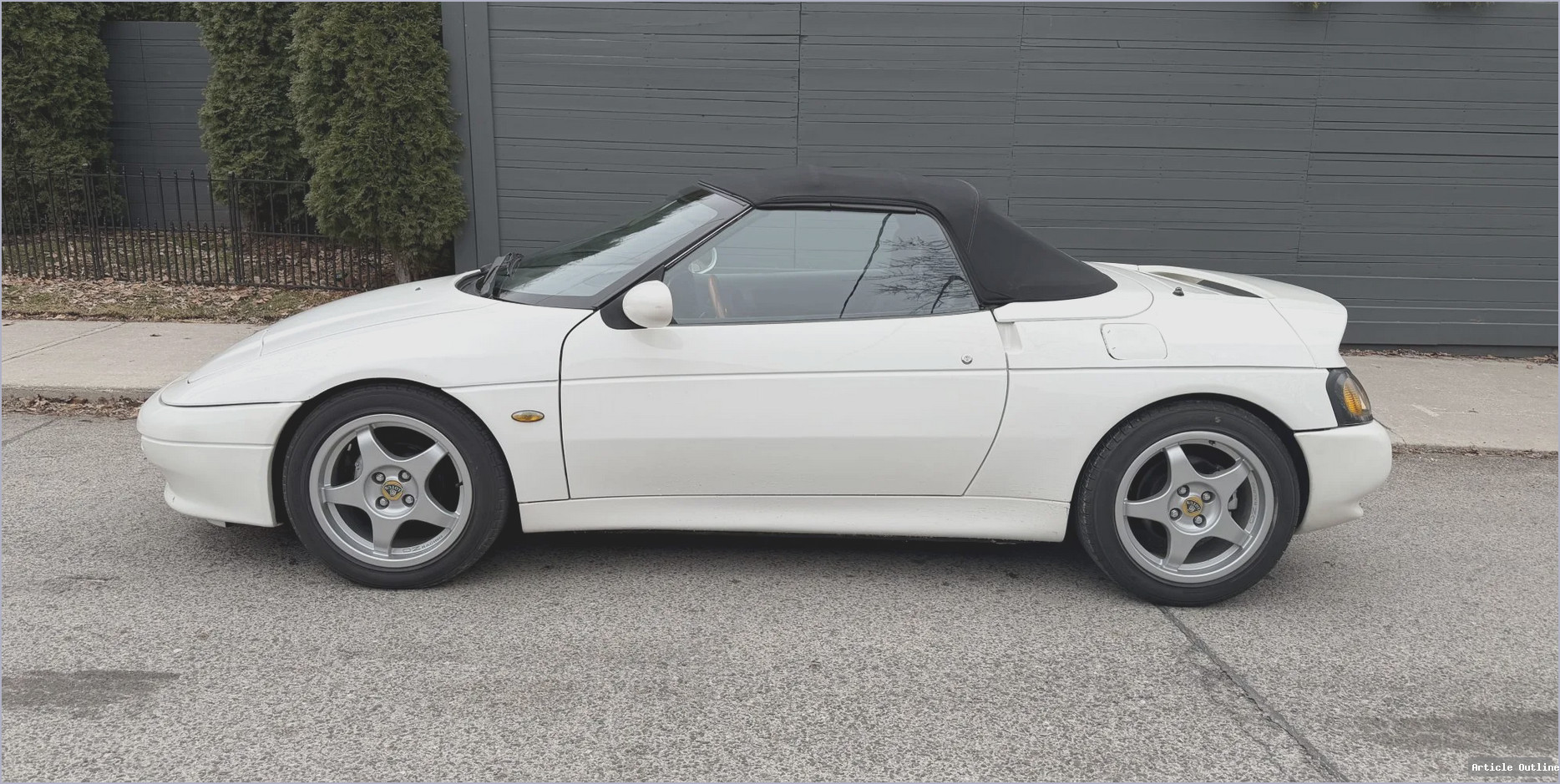
Timeline: The Kia Vigato’s Whirlwind Journey
- 1989: Lotus launches the Elan M100 (front-wheel-drive, turbo 1.6L, sharp handling).
- 1995: Lotus ends M100 production; Kia acquires tooling.
- 1996–1999: Kia builds the Elan/Vigato for Asian markets, swapping to a 1.8L engine.
- 2022: This specific Vigato is imported from Japan to Canada.
- 2024: It resurfaces on Bring a Trailer, ready to surprise a new owner.
Pros & Cons
- Pros: Lightweight and agile, true Lotus handling, ultra-rare, reliable powertrain, unique backstory.
- Cons: Parts availability can be tricky, badge confusion, and you might leave your local Kia dealer speechless if you ask for service.
The Bottom Line
Is the Kia Vigato a future classic? Absolutely. It’s the kind of car that rewards the curious and the bold—those who appreciate a great story as much as a great drive. If you want a car that’ll stump even the nerdiest gearheads and make you smile every time you drop the top, this is it.