The world’s demand for critical minerals is heating up, but few headlines dig into the human fallout. The US and EU-backed Lobito Corridor project in the Democratic Republic of the Congo (DRC) is a case in point: a multi-billion-dollar railway and infrastructure initiative promising to turbocharge copper and cobalt exports, but potentially at the expense of thousands of Congolese residents.
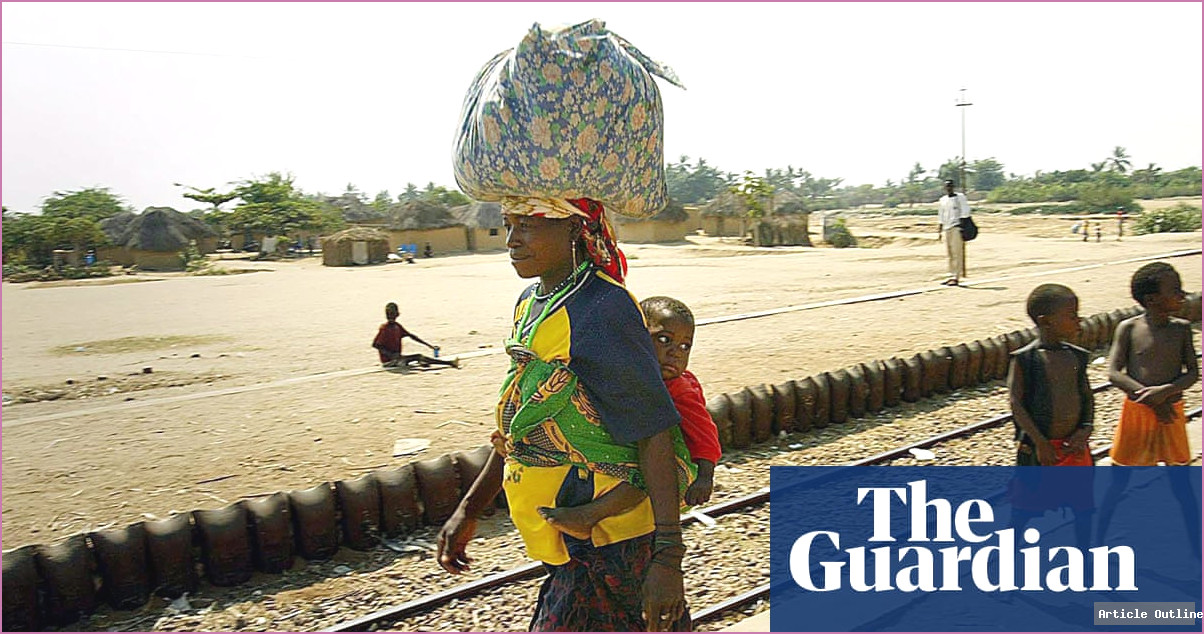
According to Global Witness, up to 6,500 people—many from Kolwezi’s poorest neighborhoods—face displacement as old railway lines are revived and expanded. The project sits at the intersection of green energy ambitions, local livelihoods, and global power plays between the West, China, and Gulf states. Let’s unpack why this matters and what most people miss.
Why This Matters
- Critical minerals like cobalt and copper are the backbone of electric vehicles and renewable tech, making the DRC, with the world’s largest cobalt reserves, a global hotspot.
- The Lobito Corridor is not just a railway—it’s a geopolitical chess piece. The West seeks to reduce its reliance on Chinese-controlled supply routes and mines.
- Local communities, with little political clout, risk becoming collateral damage in this global scramble. This isn’t new: resource extraction in Africa has often come at a steep local cost.
What Most People Miss
- Legal limbo and the legacy of informal settlements: Many Kolwezi residents built homes near the railway with unofficial permission or bought land from non-official sources. For decades, enforcement of buffer zones was lax, creating a gray area in property rights.
- Conflicting claims about the ‘buffer zone’: Is it 10 meters or 25 meters from the tracks? This simple question has big implications for who stays and who goes.
- The West’s push for ‘ethical minerals’ is complicated by uncertainty over compensation and resettlement. Past evictions in the area reportedly happened with little or no compensation—a red flag for current residents.
- The project is a test case for Western ‘green’ investments in Africa. Can they actually deliver higher social and environmental standards, or will they repeat old mistakes?
Key Takeaways
- Global stakes, local struggles: The minerals race could help decarbonize the planet—but at what cost to those living near the rails?
- Promises vs. reality: While EU officials tout high standards and community consultation, actual implementation often lags behind rhetoric.
- Transparency and accountability are crucial: Without clear plans for resettlement and compensation, the project risks fueling resentment and instability.
- Comparative context: Similar infrastructure projects elsewhere in Africa and Asia have frequently led to displacement without adequate safeguards—will the Lobito Corridor be different?
Timeline: The Lobito Corridor Project
- Colonial era: Benguela railway connects mineral-rich inland DRC to Angola’s coast.
- 1980s: Railway falls into disuse amid conflict and neglect.
- 2023: Lobito Atlantic Railway (LAR) consortium wins a 30-year concession to rehabilitate and operate the railway.
- 2024–2025: Major financing commitments from US, EU, and private sector; rehabilitation works begin, sparking displacement fears.
Pros and Cons Analysis
- Pros:
- Boosts global supply of critical minerals for green tech
- Potential for regional economic development
- Could reduce global dependency on China
- Cons:
- Risk of mass displacement without fair compensation
- Potential for community conflict and instability
- History of poor human rights protection in similar projects
Expert Commentary
“You can’t say [the residents] are ‘illegal’. No one has prevented them from building. They’ve been left to live there for 10, 20, 30 years.”
— Donat Kambola, Initiative pour la Bonne Gouvernance et les Droits Humains (IBGDH)
The Bottom Line
The Lobito Corridor is a microcosm of the challenges facing the global energy transition: how to balance urgent climate goals with the rights and needs of local communities. As the world races toward a green future, the real test will be whether projects like this can avoid repeating the injustices of the past. Will the West walk the talk on social responsibility, or will Congolese families once again pay the price for ‘progress’?