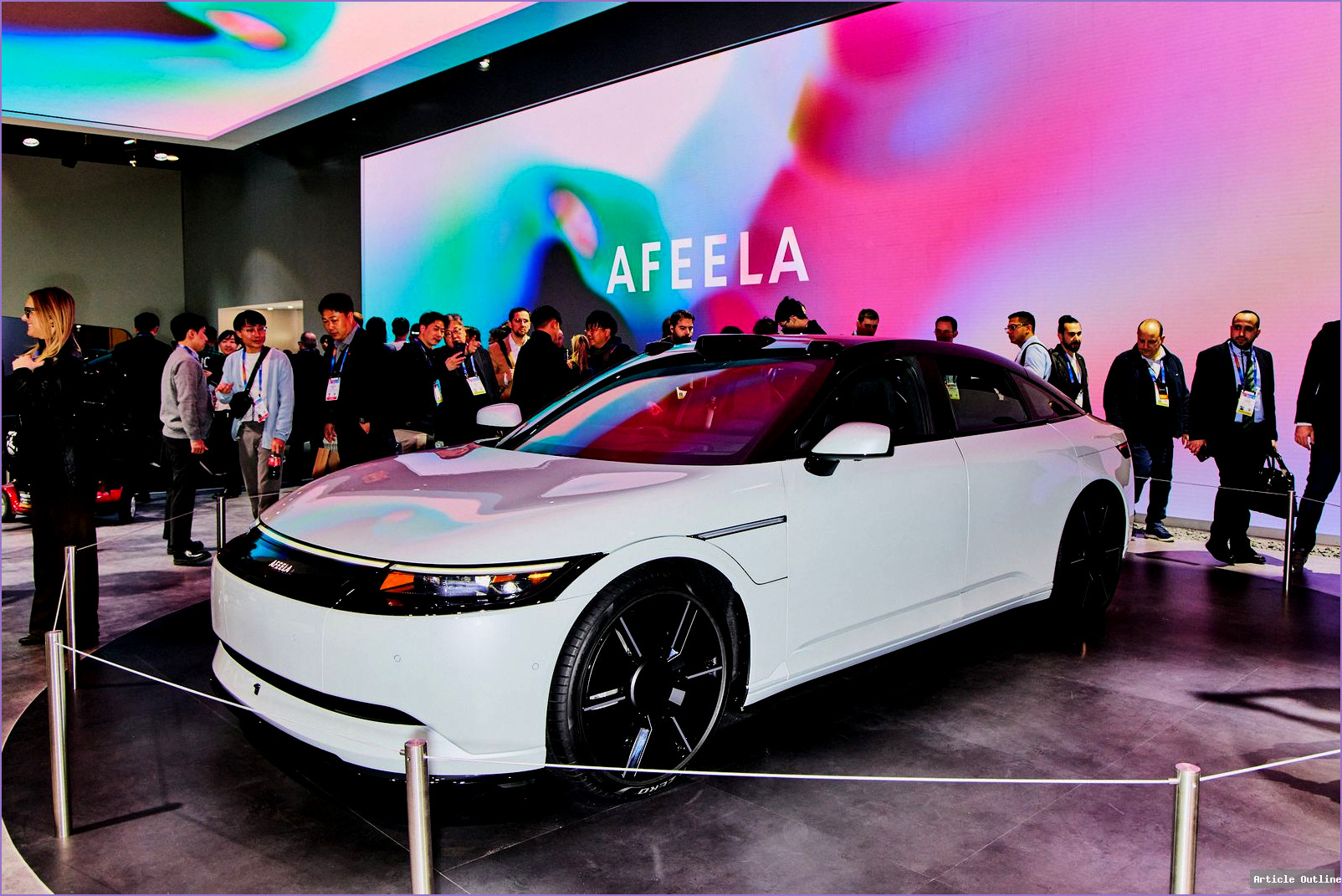
The recent cancellation of the Sony-Honda Afeela electric vehicle marks more than the end of a flashy experiment—it’s a warning shot for the entire automotive and tech industries. The Afeela 1 was supposed to be the car that brought PlayStation-level entertainment and cutting-edge software to your driveway. Instead, it joins a growing list of over-hyped, under-delivered EV launches. So what went wrong, and what does it mean for the future of electric vehicles?
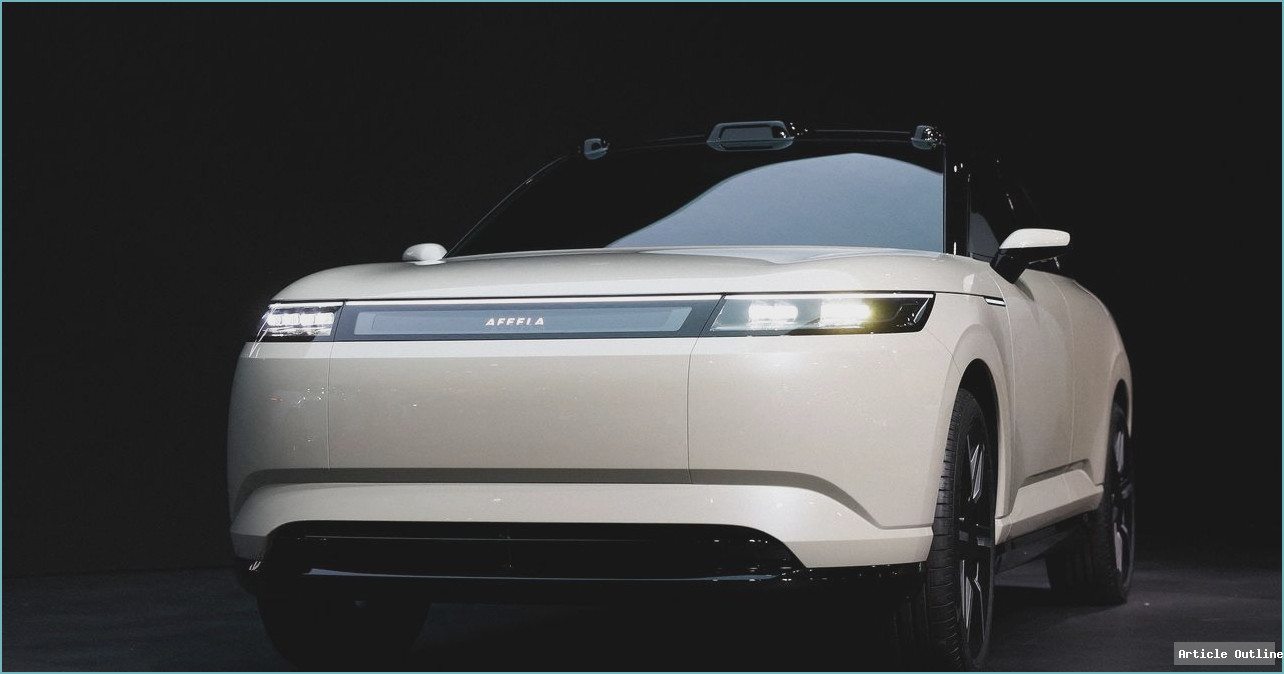
Why This Matters
- The Afeela’s demise is a reality check for tech giants entering the car business. Even with Sony’s software pedigree and Honda’s manufacturing muscle, success isn’t guaranteed.
- It exposes the brutal economics and shifting priorities in the EV market. Honda’s $15.7 billion loss and subsequent retreat from ambitious EV plans show how volatile the space is—even for established players.
- Consumer expectations for EVs are evolving faster than corporate development cycles. What was groundbreaking in 2020 (like dashboard-wide screens and gaming integration) is now commonplace, or even passé.
What Most People Miss
- Market fit was off from the beginning. The Afeela 1 was a luxury sedan in a market obsessed with electric SUVs and crossovers. Its $90,000 price tag made it an even tougher sell.
- Range anxiety still matters. The Afeela promised 300 miles of range—well below rivals like the Lucid Air (420 miles), Mercedes EQS (390 miles), and Rivian R1 series (410 miles). For that kind of money, buyers expect best-in-class performance, not also-ran specs.
- Tech for tech’s sake doesn’t drive sales. Features like PlayStation Remote Play and dashboard themes are fun, but most car buyers still prioritize reliability, charging infrastructure, and practical range over in-car entertainment.
Key Takeaways
- The “computer on wheels” vision is now table stakes—not a differentiator. Every major automaker is racing to put advanced infotainment and semi-autonomous features in their EVs.
- US EV adoption is slowing. BloombergNEF recently cut its 2030 US EV market share forecast from nearly 50% to just 27%, a stunning 14-million-car drop, reflecting waning consumer enthusiasm and government incentives.
- Corporate partnerships in auto-tech are high-risk, high-reward—and often high-failure. From the Apple Car to Dyson’s EV, even the best brands struggle to break into a notoriously tough business.
Timeline: From Hype to Halt
- 2020: Sony unveils Vision-S prototype, teasing an automotive future.
- 2022: Sony-Honda Mobility formed to bring Afeela to market.
- 2023-2024: Afeela stars at CES, but fails to generate broad excitement.
- 2025: Specs announced—met with skepticism over range, price, and market fit.
- 2026 (March): Honda cancels all “0 Series” EVs following major losses; Sony-Honda Afeela is officially scrapped.
Pros and Cons Analysis
- Pros: Bold vision; innovative tech features; strong brand collaboration.
- Cons: Poor market fit; high price; underwhelming specs; mistimed launch; shifting corporate priorities.
“The sad tale of the Afeela, then, is probably a C-plot in the darker story of the US EV market.”
The Bottom Line
The Afeela was never just about the car—it was about the future of mobility, entertainment, and the blending of consumer tech into our everyday commutes. But for all the press releases and CES showcases, the basics still matter: competitive pricing, range, and a clear value proposition. Until tech companies truly understand the auto industry’s complexity, expect more high-profile flops—and perhaps, some hard-won lessons for the next generation of EVs.