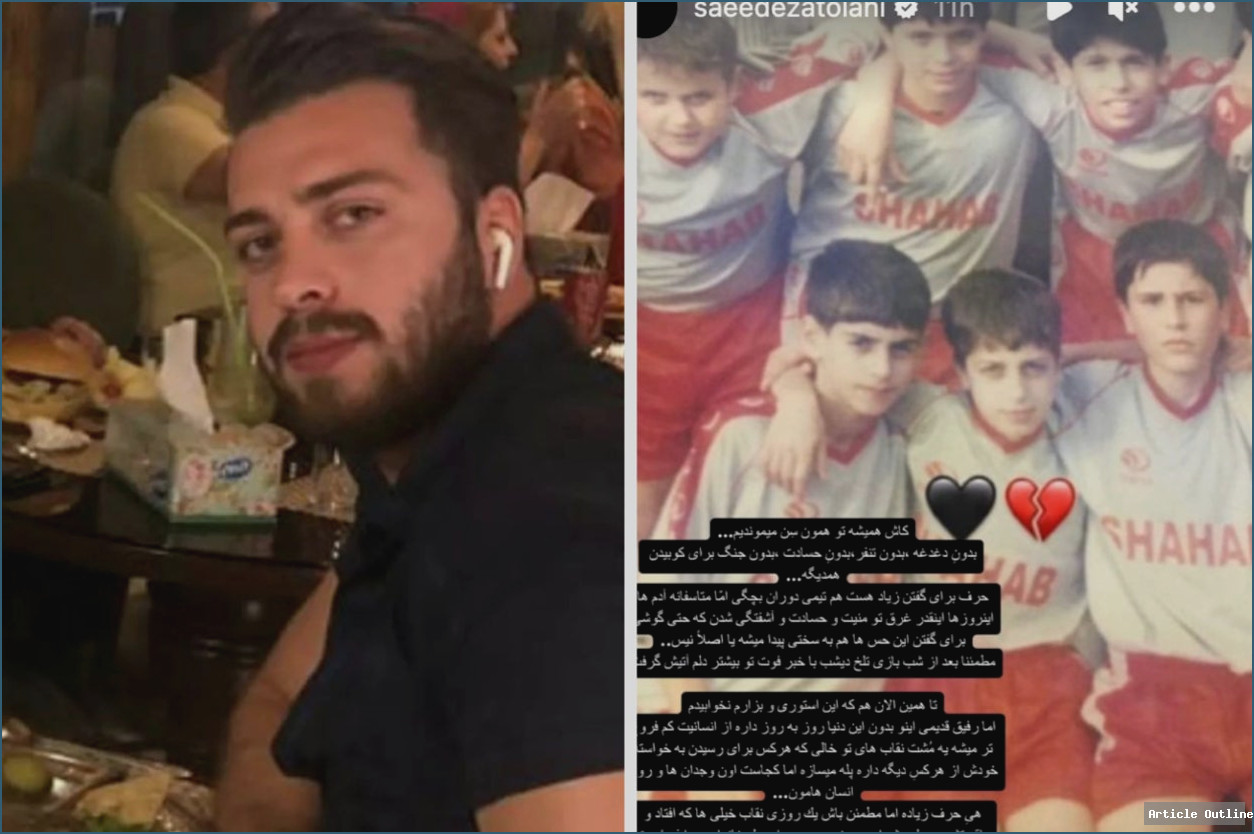
Iran’s exit from the 2022 FIFA World Cup was far more than just a sporting disappointment—it became a flashpoint in the ongoing struggle for freedom and justice within the country. The fatal shooting of Mehran Samak by security forces for celebrating Iran’s defeat against the US sent shockwaves across the globe, raising urgent questions about the intersection of sport, politics, and human rights.
Why This Matters
The incident isn’t just about a football fan; it’s about a nation where even the outcome of a soccer match can trigger state violence. Iran’s government has long used major public events as a means to reinforce authority, but the World Cup provided ordinary citizens a rare, global stage to express their dissent. When the regime responds with lethal force to something as innocuous as a celebration, it signals just how threatened those in power feel by the people’s desire for change.
- Human rights groups estimate at least 448 people—including 60 children—have been killed since protests broke out over Mahsa Amini’s death.
- The World Cup spotlight forced Iran’s regime to confront international scrutiny while attempting to suppress domestic unrest.
- Football, often seen as a unifying escape, became an unexpected battleground for civil liberties.
What Most People Miss
Amid the headlines, there’s a subtle but powerful dynamic at play: Iran’s national team itself was caught in the crossfire—both literally and figuratively. Players faced the impossible task of voicing support for protesters without endangering their families. Reports surfaced, such as from CNN, that Revolutionary Guard officials threatened torture or violence against players’ loved ones if they went too far.
- Team captain Ehsan Hajsafi’s careful acknowledgment of “conditions in our country are not right” was bold, but measured—an act of coded resistance.
- The team’s silent stance during the national anthem at their match against England spoke volumes, but their later compliance after threats revealed the regime’s chilling grip.
- Some critics accused the team of not doing enough, missing the immense personal risk they faced.
Key Takeaways
- Mehran Samak’s death stands as a grim symbol of the regime’s intolerance for dissent—even in celebration.
- The Iranian players’ nuanced gestures highlight the razor-thin line between protest and survival in authoritarian states.
- The world must recognize the courage needed to express even subtle forms of resistance under threat of violence.
- The intersection of global sports and politics can no longer be ignored or dismissed as “just a game”—events like these change lives and, potentially, nations.
Broader Context: When Football Becomes Political
- Iran isn’t alone—sport has often been a flashpoint for protest, from the Black Power salute in the 1968 Olympics to athletes kneeling during national anthems elsewhere.
- Unlike in more open societies, the stakes in Iran are literally life and death, not just for athletes but for ordinary fans.
- This World Cup has become a prism through which the world can see the cost of repression and the courage of those who resist it.
The Bottom Line
Mehran Samak’s story is not just a tragedy—it’s a call to attention. Authoritarian regimes fear the unifying, expressive power of sport because it offers people a rare chance to be seen and heard. For the Iranian people, every cheer, every silent anthem, and every act of celebration is an act of defiance. The world owes them more than just sympathy; it owes them solidarity and sustained attention.