Sneakers have transcended their athletic roots to become a perennial style staple in every woman’s wardrobe. But what makes certain sneakers immune to the whims of fashion, consistently earning their spot as must-haves year after year?
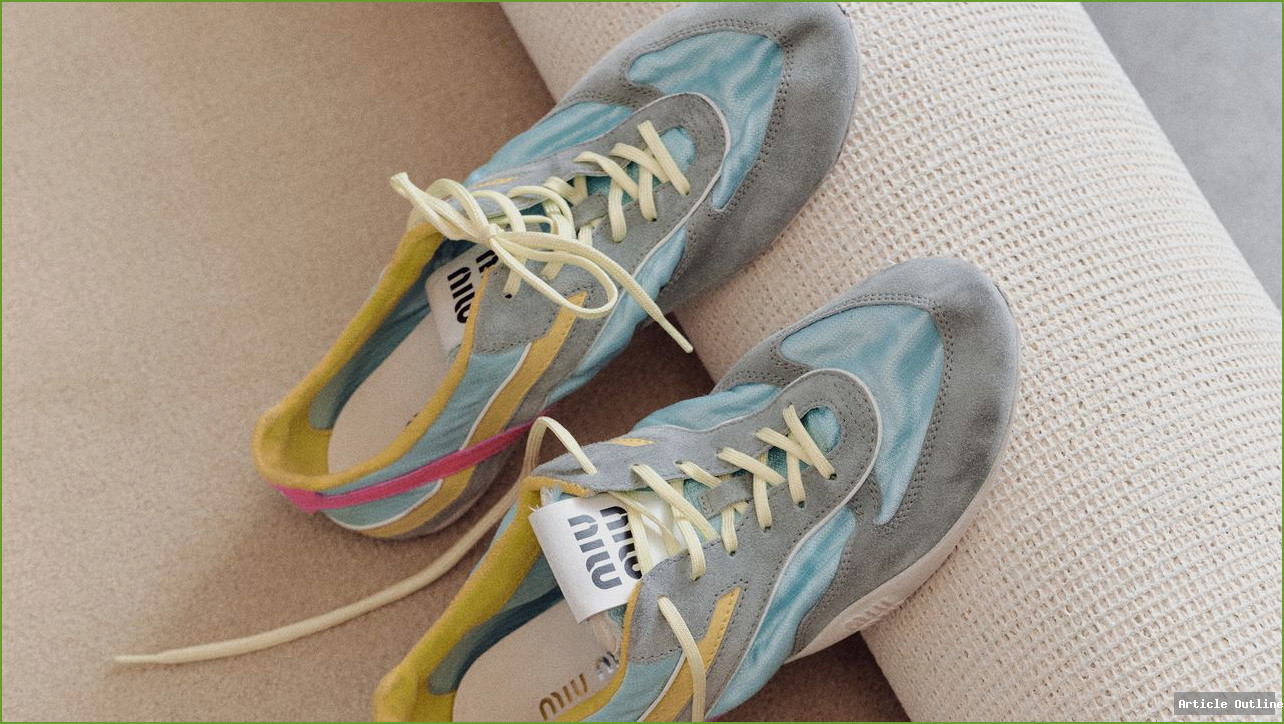
Let’s break down why the best sneakers for women are more than just shoes—they’re a lifestyle investment, a statement, and a cultural phenomenon.
Why This Matters
Sneakers are the universal equalizer—bridging generations, subcultures, and personal styles. In an age of fast fashion and fleeting TikTok trends, a handful of sneaker silhouettes have stood the test of time. They offer comfort, versatility, and a blank canvas for self-expression. From the boardroom to the brunch table, they’re redefining what it means to dress smart and stay comfortable.
- Global sneaker sales are expected to hit $98 billion by 2028, according to Statista, highlighting their unstoppable popularity.
- Designer collaborations—think Nike x Sacai or Adidas x Gucci—have elevated sneakers into luxury status symbols.
- The rise of sneaker culture has democratized style, making comfort cool and accessible.
What Most People Miss
Most shoppers focus on aesthetics, but the real secret sauce behind enduring sneaker appeal is material innovation and thoughtful design. Here’s what often goes unnoticed:
- Premium White Leather: Not all whites are created equal—designer pairs like those from Prada or Gucci use leathers that age gracefully and mold to your feet, unlike fast-fashion alternatives.
- Heritage Construction: Classics like Adidas Sambas or Reebok Club C 85 use time-tested techniques for durability and comfort.
- Eco-Conscious Options: Brands like Veja are quietly leading the way with sustainable materials, appealing to a new generation of conscious consumers.
Key Takeaways
- Versatility reigns supreme: Minimal white sneakers remain top picks, but retro shapes, suede standouts, and canvas classics each serve unique style needs.
- Retro is back: The ‘80s and ‘90s silhouettes are everywhere, but with modern updates in materials and comfort.
- Performance meets fashion: Sporty trainers from brands like Hoka, Asics, and New Balance combine technical innovation with street-ready looks.
- Ballet sneakers and low-runners bring a feminine twist—thin soles and unique fabrics make them a chic alternative for dressier moments.
Comparisons & Industry Context
- Designer vs. Heritage: Designer sneakers (e.g., Prada, Gucci) often boast premium materials and limited runs, while classic brands (Adidas, Reebok, Vans) offer unmatched heritage and accessibility.
- Material Choices: Leather for longevity, suede for texture and color, canvas for breathability—each has its own vibe and maintenance demands.
Pros and Cons Analysis
- Minimal Whites: Pro: Go-with-anything. Con: Easily scuffed (but that worn-in look is now cool).
- Retro Styles: Pro: Nostalgic, often comfier. Con: May not suit all wardrobes.
- Sporty Trainers: Pro: Top-tier comfort and support. Con: Sometimes bulky.
- Ballet Sneakers: Pro: Lightweight and feminine. Con: Not ideal for high-impact use.
Action Steps
- Choose sneakers that fit your lifestyle—do you value comfort, versatility, or making a statement?
- Consider investing in at least one pair of high-quality white sneakers for maximum mileage.
- Rotate materials (leather, suede, canvas) for weather and occasion.
- Don’t ignore sustainability—brands like Veja are worthy additions for the eco-minded.
Important Quote
“A white leather sneaker is a no-brainer purchase, whether used as an everyday shoe or travel shoe for a full day of walking.” — Vogue
The Bottom Line
Great sneakers are more than a passing fad—they’re a foundation for modern style. Whether you invest in heritage classics, designer icons, or new-wave streetwear, the best women’s sneakers will always blend comfort, culture, and a dash of personal flair. If you want a wardrobe that never goes out of style, start from the ground up—literally.