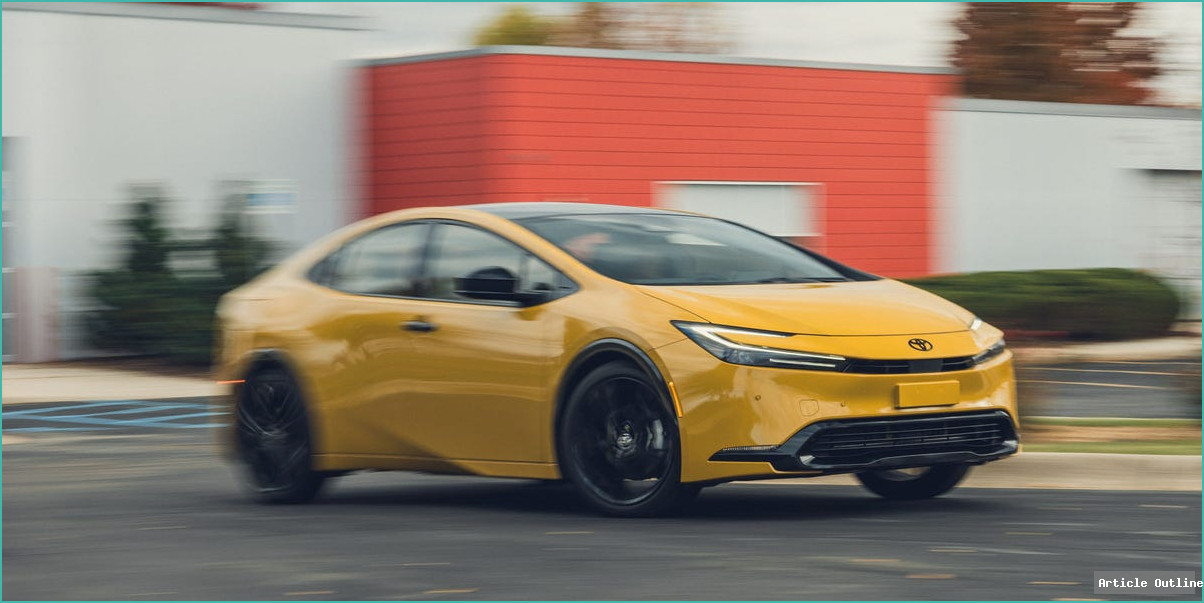
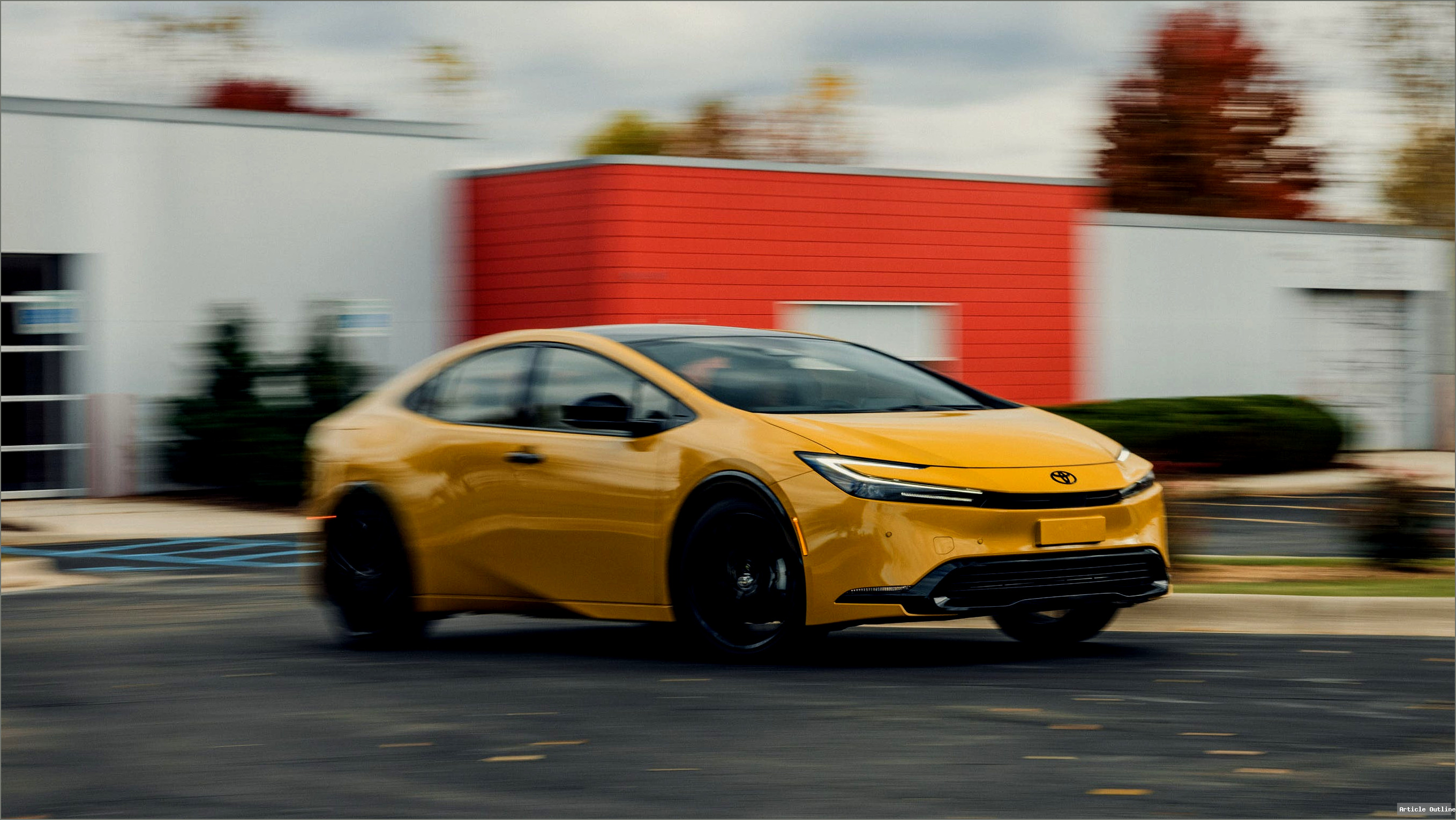
The recall of over 141,000 Toyota Prius vehicles (2023–2026 models) due to rear doors that could unexpectedly open isn’t just a blip on the automotive radar—it’s a story with bigger implications for hybrid car safety, modern design, and the challenges of balancing innovation with reliability.
Let’s break down what’s really at stake, what most consumers might overlook, and what this means for the future of automotive tech.
Why This Matters
- Safety is non-negotiable: A door flying open while driving or parked puts passengers (especially children) at risk. Even with no reported injuries so far, the potential for harm is significant.
- Rising reliance on electronic components: As cars become increasingly “digital,” simple mechanical failures are being replaced with complex electrical problems—sometimes with new, unforeseen risks.
- Brand trust on the line: Toyota’s reputation is built on reliability. High-profile recalls, especially for safety issues, can erode hard-earned consumer confidence.
What Most People Miss
- It’s not just a Prius problem: The root issue—water intrusion into electronic door switches—could affect any modern car with similar designs. Are other manufacturers quietly tracking similar issues?
- The role of everyday habits: The defect is worsened by everyday actions like slamming doors or taking a car through a wash. These aren’t “edge cases”—they’re normal usage scenarios.
- The silent warning signs: While a dashboard icon and chime warn drivers when the door is about to open, how many people actually notice or react in time?
Key Takeaways
- Recall affects 141,286 Prius and Prius Prime models (2023–2026).
- Defective seals in the rear-door electronic switches can allow water in, potentially causing electrical shorts and unintentional door opening.
- So far: Zero reported injuries; only three warranty claims.
- Toyota will inspect and repair affected vehicles for free; owners will be notified by March 29, 2026.
- This recall follows a growing trend of software and electrical recalls as cars become more high-tech.
Industry Context: Are Cars Getting Too Smart?
According to the National Highway Traffic Safety Administration (NHTSA), the number of recalls due to electronic or software failures has increased by over 30% in the past five years. This Prius incident is just the latest example—recent recalls from Tesla, Ford, and Hyundai have highlighted similar vulnerabilities in advanced tech systems.
It’s a balancing act: Consumers want convenience, but each extra switch or sensor adds complexity—and new opportunities for things to go wrong.
Action Steps for Prius Owners
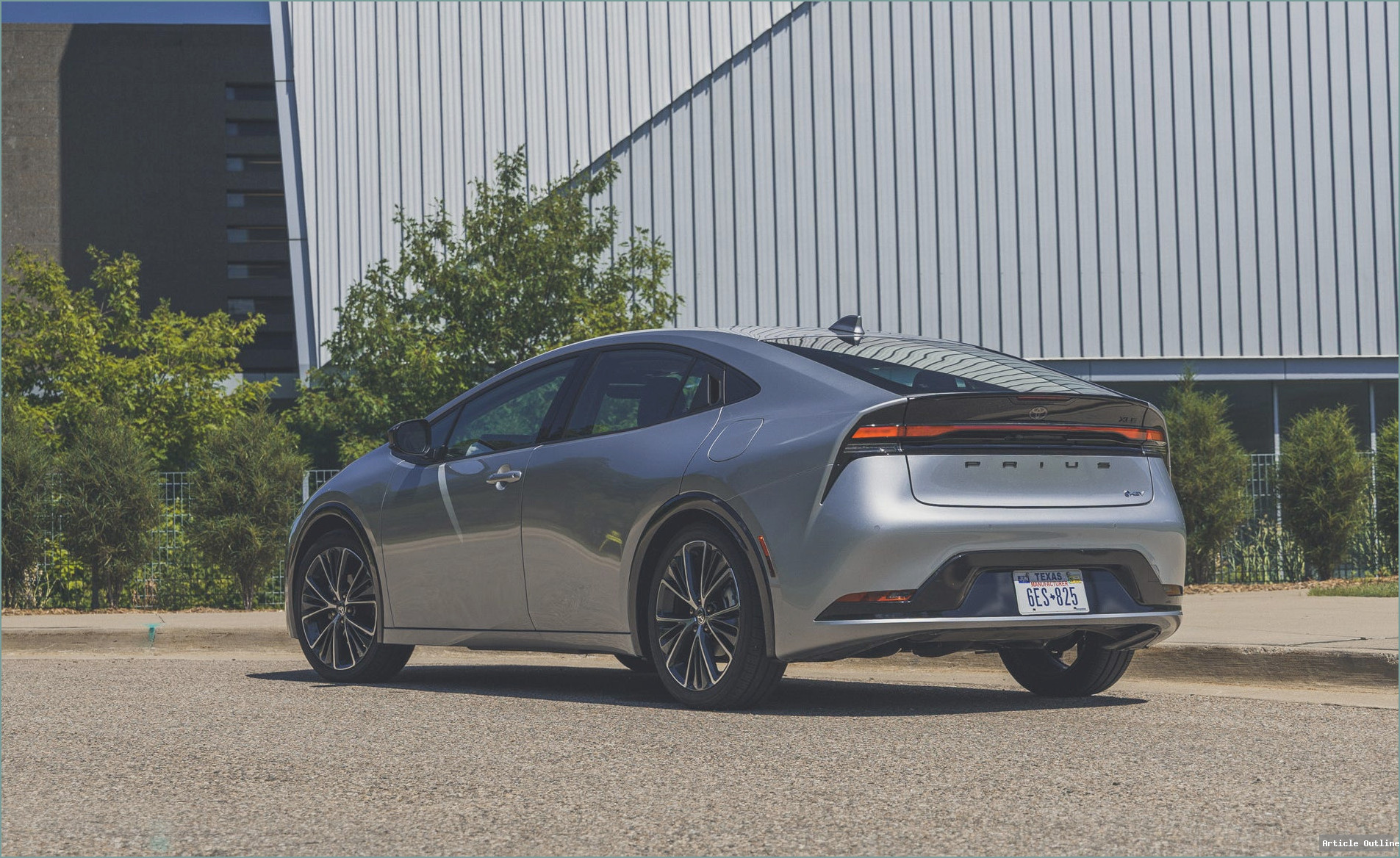
- Check your VIN for recall status at Toyota’s recall portal or NHTSA.gov.
- Schedule a free inspection at your local Toyota dealership.
- Avoid slamming your doors or excessive car washing until repairs are completed.
- Stay alert for dashboard warnings and chimes—don’t ignore them!
Pros & Cons Analysis
- Pros: Proactive recall by Toyota; No injuries reported; Free repairs for owners.
- Cons: Potential safety risk; Hassle for owners; Raises questions about durability of new tech features.
The Bottom Line
This recall is a wake-up call for automakers and car buyers alike. As vehicles become smarter, it’s vital to ensure that innovation doesn’t come at the expense of basic safety and reliability. For Prius owners, the fix is straightforward, but the industry lesson is much bigger: High-tech should never mean high-risk.