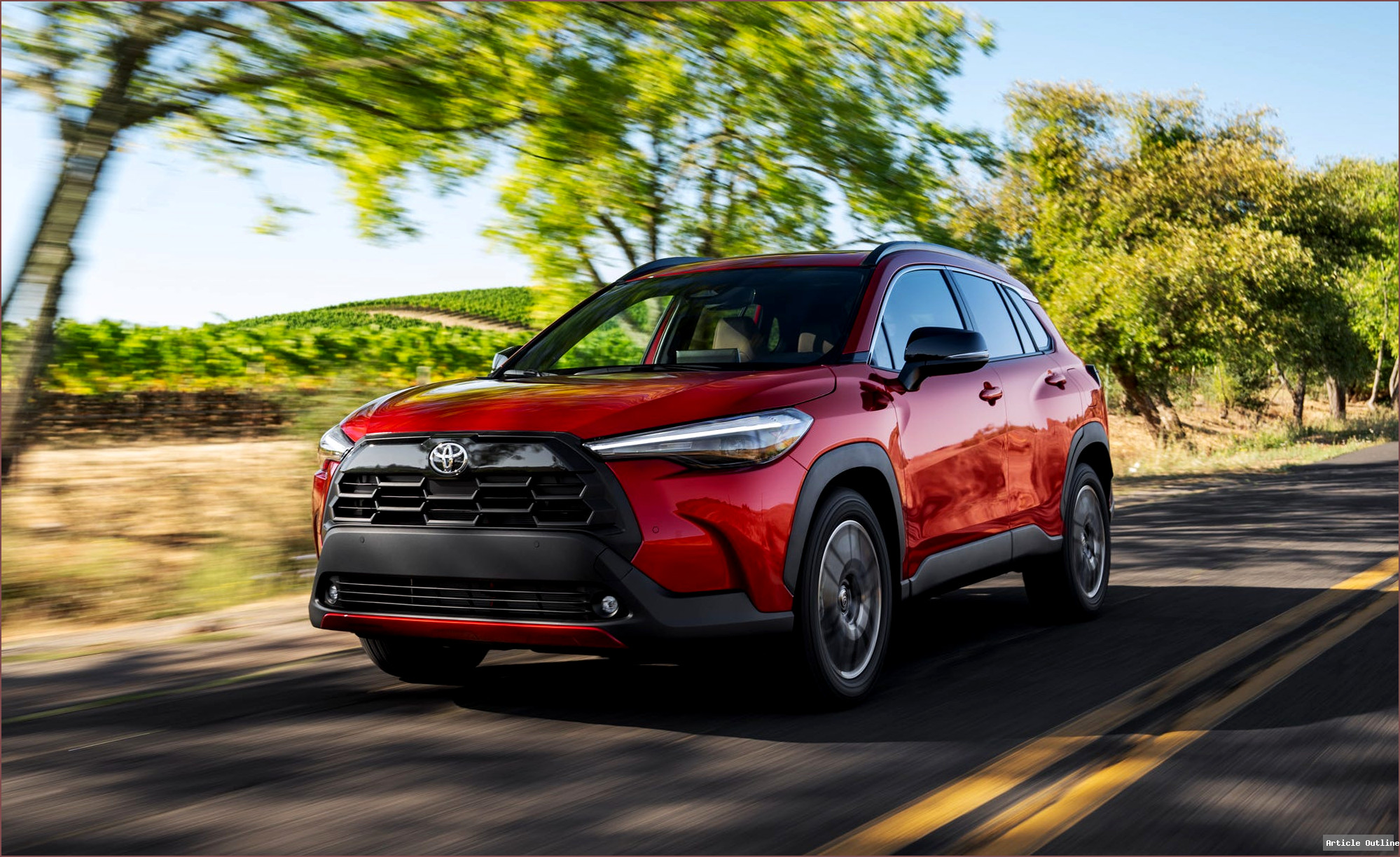
When the world’s top automaker, Toyota, recalls over 51,000 Camry hybrids for a potentially dangerous inverter flaw, it’s more than just a headline—it’s a signal to car owners, investors, and the entire automotive industry. This latest recall, which also ropes in nearly 3,800 Corolla Cross Hybrids, exposes both the strengths and vulnerabilities of the hybrid revolution. Let’s break down what’s at stake and why this recall matters more than you might think.
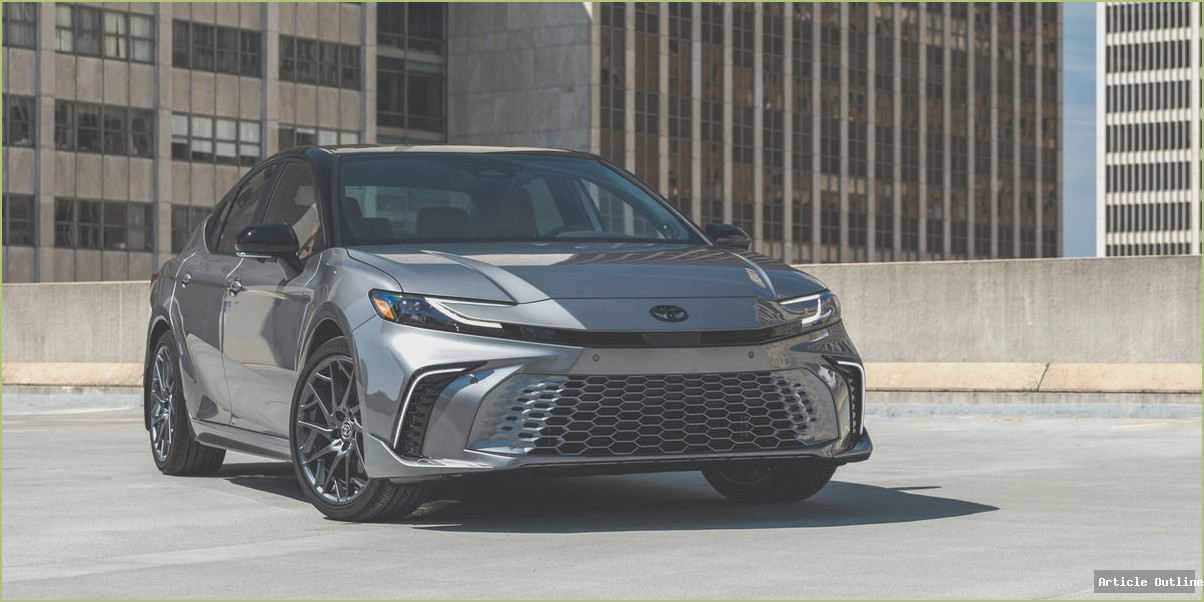
Why This Matters
- Hybrid vehicles are on the rise: With over 800,000 hybrid Toyotas sold in the U.S. in 2023 alone, any flaw in core components affects a huge customer base and the brand’s reputation for reliability.
- Safety is the backbone of trust: A faulty inverter that can put cars in limp mode—or worse, trigger a fire—challenges Toyota’s sterling safety record.
- It’s not just a Toyota problem: As more automakers ramp up hybrid and EV production, software and hardware complexity increases, making recalls like this less of an exception and more of a warning.
What Most People Miss
- The recall window is surprisingly long: Toyota won’t notify owners until February 13, 2026. That’s over a year from now—meaning affected vehicles could remain on the road, potentially at risk, for many more months.
- Incidents are underreported: Toyota acknowledges 34 reported incidents and 15 warranty claims, but with tens of thousands of vehicles affected, the real number could be higher once more owners become aware.
- No fix yet: Toyota is still developing a solution. This highlights the technical challenge of updating safety-critical hybrid components, which often require both hardware and software changes.
Key Takeaways
- Hybrid Tech Is Not Immune: Even mature, high-volume models like the Camry Hybrid can face significant technical setbacks.
- Communication Gaps Hurt Trust: The long notification window could frustrate owners and leave them exposed to risk.
- Regulatory Scrutiny Will Increase: Expect NHTSA and other regulators to keep a closer eye on hybrid and EV recalls as adoption grows.
Industry Context & Comparisons
- In 2023, over 1.5 million vehicles were recalled in the U.S. for hybrid or EV-related issues. Toyota’s move fits a broader trend of growing pains as the industry shifts to electrification.
- Past recalls, like GM’s Chevy Bolt battery fires or Hyundai’s Kona EV issues, show that even giants can stumble as they innovate.
- Compared to software recalls, hardware issues like inverters are tougher to fix—often requiring dealer visits and part replacements.
Pros and Cons of Toyota’s Response
- Pros:
- Voluntary and transparent recall process
- Warranty coverage for all repairs
- Cons:
- No immediate fix, leaving owners in limbo
- Long delay before owner notifications
Action Steps for Owners
- Check your vehicle’s VIN on the NHTSA recall site for updates.
- Stay alert for recall notifications from Toyota—even if it takes time.
- If you notice warning lights or power loss, contact your dealer immediately.
“No automaker is too big to fail when it comes to safety. This recall should remind us all: trust, once lost, is hard to win back.”
The Bottom Line
Toyota’s Camry Hybrid recall is a canary in the coal mine for the hybrid era. As more drivers go green, the industry—and regulators—must keep pace with the technical and safety challenges. For car owners, staying informed is more important than ever. For the industry, it’s a reminder: reliability and safety still beat fancy features every time.
Sources: