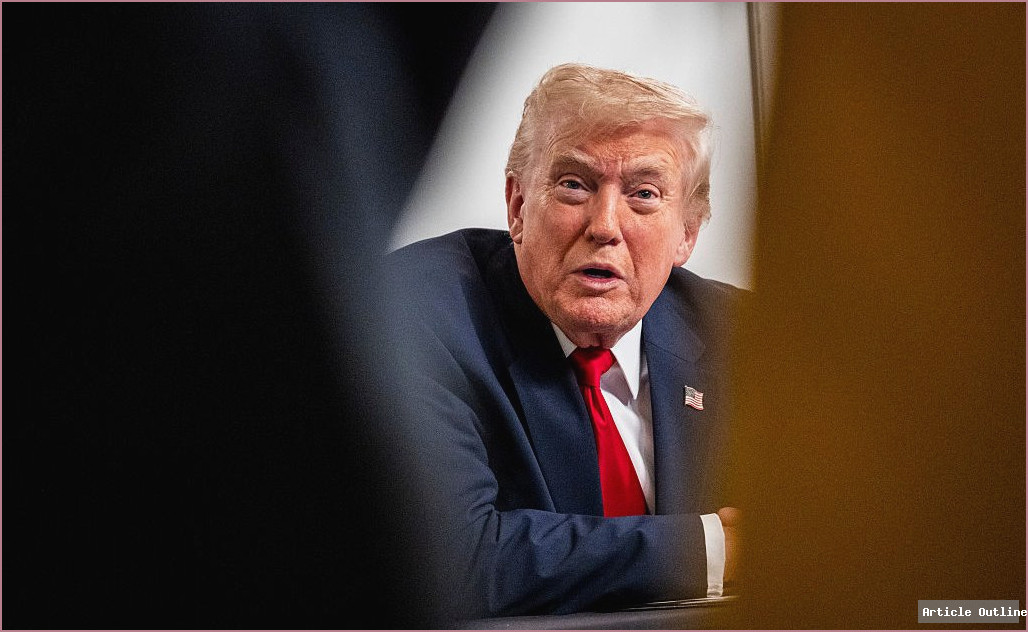
America’s immigration debate hit a fever pitch this week after President Trump announced an immediate pause on all asylum claims and halted visa processing for Afghans. This hardline move comes after the tragic shooting of two National Guard members in Washington, D.C., allegedly by an Afghan national who had worked with U.S. forces. But beneath the headlines and outrage, the ripple effects of this policy shift reach far beyond a single event or community.
Why This Matters
- It marks one of the most sweeping restrictions on asylum and legal immigration in recent U.S. history. The decision to halt all asylum processing and visa issuance for Afghans signals a new era of blanket policies driven by security fears, not case-by-case assessments.
- Impacts are immediate and global: The freeze affects not just Afghans, but potentially applicants from dozens of countries, as the Administration also pledged to re-examine all green cards from 19 so-called “countries of concern.”
- It sets a precedent for using isolated incidents to justify sweeping policy. Critics warn this could erode the fundamental American principle of individual fairness in immigration and asylum law.
What Most People Miss
- The overwhelming majority of Afghans admitted under recent programs underwent rigorous, multi-agency vetting. An audit by the Justice Department’s Inspector General in 2025 found no systemic failures in the screening process—contrary to political claims.
- Operation Allies Welcome, the program that resettled nearly 200,000 Afghans, was created to protect those who risked their lives for the U.S. during the war. Many are now left in limbo, facing uncertainty or even danger if forced to return.
- National security and humanitarian obligations are in direct conflict. Policies like this risk undermining America’s credibility with allies and partners globally, especially those who support U.S. missions abroad.
- The mental health toll is real: The accused shooter reportedly suffered from PTSD, a reminder that trauma among refugees is a complex, often overlooked factor in resettlement.
Key Takeaways & Analysis
- The U.S. received 457,200 asylum applications in 2023, but approved just 54,350—a sign of how rigorous and selective the process already is.
- While the Administration frames this as a security measure, blanket bans risk punishing entire communities for the actions of individuals. Advocacy groups argue this is both unjust and strategically shortsighted.
- This move could spark further anti-immigrant rhetoric and policy globally, as other nations may feel emboldened to adopt similar measures.
- Historical context: The U.S. has a long tradition of providing refuge to those fleeing war and persecution—but also of enacting restrictive policies in times of fear (think: the Chinese Exclusion Act, Japanese internment, or the post-9/11 travel bans).
Timeline of Recent Events
- 2021: U.S. withdraws from Afghanistan; Operation Allies Welcome begins.
- 2023: Nearly 200,000 Afghans resettled in the U.S. under various programs.
- June 2025: DOJ audit finds no systemic vetting failures for Afghan refugees.
- This week: Two National Guard members shot in D.C.; Afghan national arrested; Trump Administration announces asylum and visa freeze; green cards from 19 countries to be re-examined.
Pros and Cons Analysis
- Pros (as cited by supporters):
- Potentially reduces risk of bad actors slipping through the system
- Signals strong stance on national security
- Cons (as cited by critics):
- Collective punishment of entire communities
- Undermines America’s moral and legal obligations to allies
- Risks fueling anti-immigrant sentiment and xenophobia
- Could discourage future allies from cooperating with U.S. missions abroad
Important Quotes with Context
“They are using a single violent individual as cover for a policy they have long planned, turning their own intelligence failures into an excuse to punish an entire community and the veterans who served alongside them.” – Shawn VanDiver, AfghanEvac
“The protection of this country and of the American people remains paramount, and the American people will not bear the cost of the prior administration’s reckless resettlement policies. American safety is non negotiable.” – Joseph Edlow, Director of USCIS
The Bottom Line
America faces a defining moment in its approach to security, humanitarian responsibility, and global leadership. The asylum and visa freeze may play well politically, but it comes with real consequences for America’s allies, its values, and its standing in the world. Will fear dictate national policy, or can a balance be struck between safety and compassion?