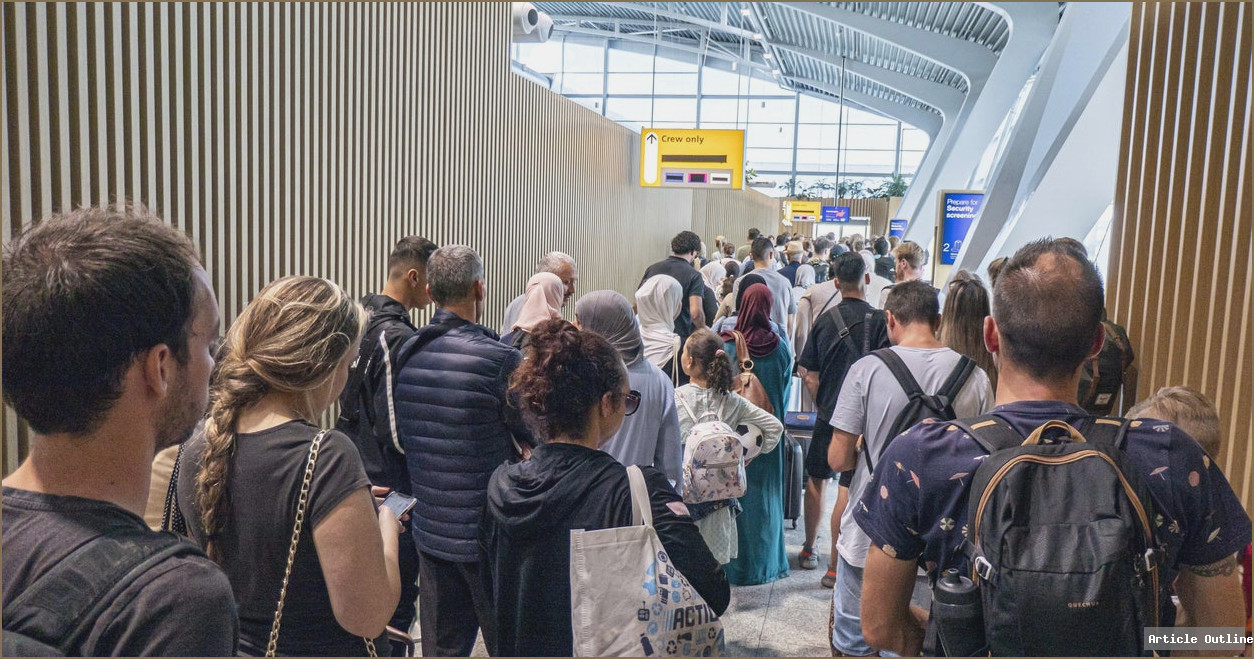
Flight delays and cancellations are making headlines—again. But this isn’t just another bad travel season. The scale and persistence of disruption at US airports reflect deeper issues that go far beyond bad weather and overbooked planes.
Let’s cut through the noise and dig into what’s really happening, why it matters, and what you need to know if you’re planning to fly anytime soon.
Why This Matters
- The travel chaos isn’t a one-off event; it’s a symptom of systemic problems in the aviation industry.
- With over 11,000 delays and 2,000+ cancellations in just one day, the ripple effects impact not just passengers, but the entire travel economy.
- The upcoming holiday season could see even worse gridlock as airlines have already begun slashing schedules to cope.
Key Takeaways
- Extreme weather isn’t just inconvenient—it’s becoming the new norm. Dallas–Fort Worth Airport recorded 9.19 inches of rain in 24 hours, its second-wettest day ever.
- Staffing shortages are compounding the problem. When crews “clock out,” flights get canceled—even after passengers wait hours on the tarmac.
- Major hubs like Newark, Dallas–Fort Worth, and LaGuardia are most affected, creating a domino effect across the country.
- Airlines are proactively cutting thousands of flights for the fall, signaling little hope for quick improvement.
What Most People Miss
- Delays are not just about weather or angry crowds. They reveal vulnerabilities in how airlines and airports are staffed and managed, especially post-pandemic.
- Airport infrastructure is aging, making it even harder to adapt to sudden surges in demand or weather extremes.
- Passengers rarely get clear communication. Being asked to board, deplane, and reboard—only to have the flight canceled—is both demoralizing and disruptive.
- Frequent delays erode trust in air travel, pushing some travelers to consider alternatives like trains, cars, or even video calls instead of in-person meetings.
Industry Context & Comparisons
- According to the Bureau of Transportation Statistics, flight cancellations in the US are up 69% year-over-year since 2019.
- Europe faced similar chaos earlier in the summer, but many airlines there responded with better passenger rights and compensation.
- US airlines, under pressure to return to profitability, may be underestimating the long-term reputational cost of repeated disruptions.
Timeline: Summer 2023 Flight Headaches
- Early summer: Surge in post-pandemic travel demand catches airlines off guard.
- June–July: Staffing shortages and storms lead to rolling delays and cancellations nationwide.
- August: Record rainfall at Dallas–Fort Worth triggers one of the worst days of travel chaos.
- Fall: Airlines announce preemptive cuts to schedules ahead of holiday rush.
Pros & Cons: Should You Fly This Fall?
- Pros: Some flights may be less crowded due to schedule reductions. Airlines are increasingly transparent about delays.
- Cons: Greater risk of last-minute cancellations, missed connections, and lengthy tarmac waits. Rebooking options are limited.
Action Steps for Travelers
- Book direct flights when possible to reduce missed connections.
- Sign up for real-time flight alerts from your airline and FlightAware.
- Travel with essentials in your carry-on in case of long waits or overnight stays.
- Consider travel insurance that covers delays and cancellations.
The Bottom Line
The current wave of flight delays is a wake-up call for the entire industry. Until airlines, airports, and regulators address the root causes—staffing, infrastructure, and climate resilience—travelers will need to pack their patience along with their passports.