What if living to 100 wasn’t just about good genes or luck? A recent survey of centenarians in the U.S. reveals a fascinating mosaic of habits, mindsets, and even tech-savviness that challenge everything we think we know about aging. From strength training to using ChatGPT, today’s centenarians are rewriting the rulebook on what it means to age well.
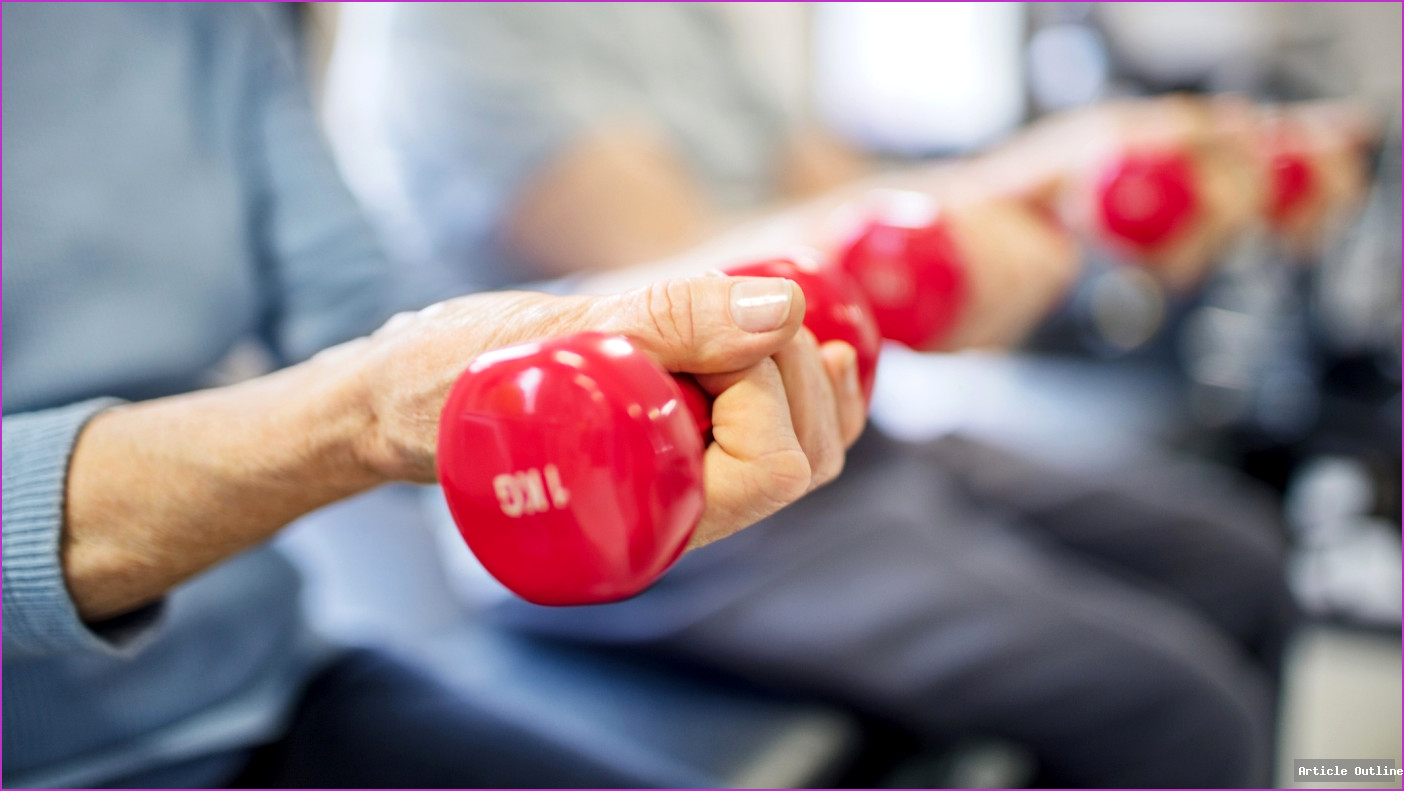
Let’s dig into why these findings matter, what most people miss about longevity, and what actionable lessons we can all borrow from the 100-plus crowd.

Why This Matters
- The world’s population of centenarians is set to quadruple by 2054. That’s not just a fun stat—it’s a demographic shift with massive implications for healthcare, social policy, and how we define ‘old age.’ (Pew Research)
- More people are living longer AND living better. These centenarians aren’t just surviving; they’re thriving—physically, mentally, and socially.
- This survey challenges the myth that longevity is all about genetics. Lifestyle, mindset, and social connection play critical roles—and they’re within our control.
Key Takeaways
- Holistic habits trump one-off fixes. It’s not just about diet or exercise; it’s the combination: strength training, stress relief, healthy eating, walking, gardening, and staying socially engaged.
- Laughter and a positive outlook are common denominators. 85% of centenarians say they still find it easy to laugh—proof that joy is more than just a nice-to-have.
- Tech-savvy elders are the new norm. 40% play video games, and more than a quarter have asked ChatGPT a question. Forget the stereotype of the technophobic senior!
- Social connection is more than a feel-good bonus. Frequent in-person time with loved ones is linked to lower chronic disease rates and longer life.
What Most People Miss
- Lifestyle changes work at any age. Studies show it’s never too late to adopt healthy habits—and the earlier you start, the more you benefit.
- Centenarians aren’t immune to the aches and losses of aging (hearing loss, slower recovery, giving up driving), but their resilience and adaptability are what set them apart.
- Wisdom matters: Many centenarians say that the ability to let go of small worries and savor little joys is a learned skill, not an innate gift.
- Purpose and curiosity drive longevity. Whether it’s gardening, knitting, or exploring new technology, staying mentally and emotionally engaged is key.
Expert Commentary & Insights
“It’s not just one thing… it’s a holistic approach to aging.” — Dr. Rhonda Randall, Chief Medical Officer, UnitedHealthcare
“Turns out that people acquire a great deal of useful knowledge about how to stay healthy over the course of a century.” — Ken Stern, The Longevity Project
“The core of successful aging is the lifestyle choices we make every day.” — Dr. Jonathan Rosand, Mass General Brigham
Practical Implications: How You Can ‘Stack the Odds’
- Move your body—regularly and with purpose. Even gentle strength training once a week can make a difference.
- Prioritize social connection. Weekly get-togethers with family or friends are more powerful than you think.
- Stay curious. Don’t shy away from technology or new experiences—embrace them!
- Laugh more, stress less. Develop routines for mindfulness, gratitude, and humor.
- Assess and tweak your habits. Try tools like the Brain Care Score to see where you stand and what to improve.
How These Insights Compare Globally
- Blue Zones (areas with high longevity) echo these findings: physical activity, plant-based diets, social engagement, and a sense of purpose are universal themes.
- Countries like Japan and Italy, with high numbers of centenarians, invest in community-based elder care and social participation—showing that policy matters as much as personal habits.
The Bottom Line
Living to 100—and beyond—may be more accessible than we think. The secret isn’t a magic pill; it’s a mosaic of daily choices, mindset, and meaningful connections. The centenarians aren’t just outliving us—they’re outsmarting old stereotypes about aging. The best time to start? Right now.