The ink is dry: Prada Group now officially owns Versace. This $1.25 billion deal isn’t just another M&A headline—it’s a seismic move in luxury fashion’s ever-evolving landscape. After regulatory hurdles and months of speculation, two of Italy’s most iconic brands are under one roof. But what’s really at stake, and what should we expect next?
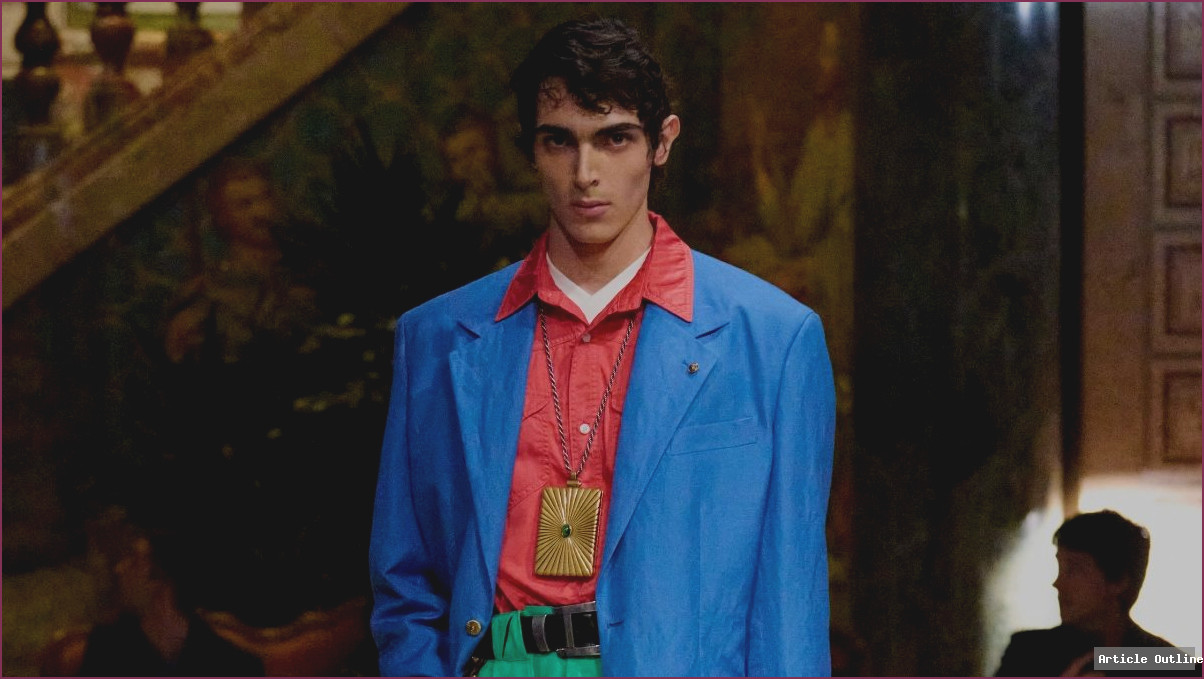
Let’s break down the implications, the hidden details, and what might change in your closet (and on Wall Street) as the Prada-Versace era begins.
Why This Matters
- Consolidation is reshaping luxury. The Prada-Versace marriage signals a deeper trend: mega-groups now dominate high fashion, from LVMH and Kering to Richemont and, increasingly, Prada Group.
- Versace is at a crossroads. Despite its glittering heritage, the brand has posted profit and revenue losses since late 2024. The turnaround isn’t optional—it’s existential.
- Strategic synergies could redefine Italian luxury. Prada brings operational discipline, digital savvy, and a winning streak (19 consecutive quarters of growth), while Versace injects pop culture and maximalist flair.
What Most People Miss
- Versace’s issues go beyond sales. The brand’s challenge isn’t just numbers—it must reconnect with younger luxury shoppers, modernize its accessories and men’s lines, and build out new categories like jewelry and homeware.
- Leadership continuity matters. Versace CEO Emmanuel Gintzburger stays on, suggesting Prada wants evolution, not revolution. Expect subtle but significant shifts, not a total overhaul.
- The failed Tapestry-Capri merger set the stage. If the FTC hadn’t blocked Tapestry from buying Capri (Versace’s old parent), Prada might never have had a shot. Regulatory chess is as important as runway shows in today’s luxury game.
Key Takeaways
- Versace needs a product reboot. Analysts want focus on ‘house codes’ (think: Medusa, baroque prints), plus a push into accessories (target: $600M), footwear ($250M), and men’s.
- Prada Group’s resilience is rare. While rivals like Kering and LVMH have stumbled recently, Prada Group grew sales 9% YOY to €4B in 2025’s first nine months. They know how to ride out luxury slowdowns.
- More than a merger: it’s a culture clash and blend. Prada’s minimalist chic meets Versace’s maximalist glam. The creative tension could either ignite a renaissance—or fizzle into confusion.
Timeline: How We Got Here
- Feb 2025: Capri Holdings puts Versace up for sale after Tapestry merger blocked.
- Apr 2025: Prada announces intent to acquire Versace.
- Dec 2025: Regulatory approval granted; deal officially closes.
Pros & Cons of the Deal
- Pros:
- Potential for Versace to regain its edge and scale up globally
- Access to Prada’s robust supply chain and digital strategies
- Enhanced competitive position vs. French luxury giants
- Cons:
- Brand dilution risk if identities blur
- Integration headaches (culture, operations, creative direction)
- High stakes: $1.25B is a big bet on a struggling brand
Action Steps: What to Watch For
- Early signals in Versace’s product lines and marketing moves under Prada
- Financial results: look for a reversal in revenue/profit declines
- Possible expansion into new luxury categories (jewelry, homeware)
- How rivals (like LVMH) respond—will this trigger more Italian mega-mergers?
The Bottom Line
Prada’s Versace buy isn’t about nostalgia—it’s about survival and dominance. The move speaks volumes about the new realities of luxury: adapt, scale, and seduce the next generation, or fade. Expect fireworks, growing pains, and, if Prada gets it right, a new golden age for two of Italy’s greatest fashion houses. Watch this space—fashion history is being written in real time.