When a titan of design like Alan Dye—the brains behind Apple’s Human Interface Design—jumps ship to Meta, it’s not just a juicy bit of Silicon Valley gossip. It’s a seismic shift that could reshape the next decade of hardware, software, and AI-driven user experiences.
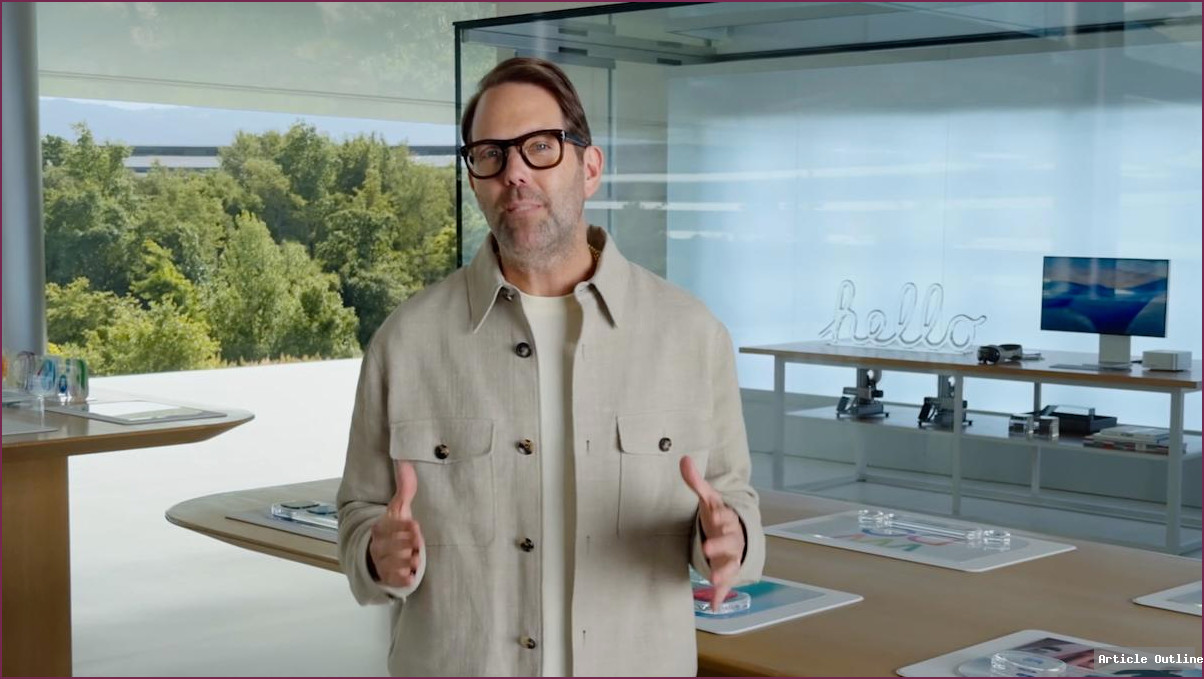
Let’s unpack why this move matters, why it’s more than a headline, and what most people are missing about this new era of design wars.
Why This Matters
- Design is the new battleground. In a world where hardware and software are converging with AI, the difference between a must-have device and a flop is often design. Dye’s leadership at Apple influenced everything from the tactile feel of the Vision Pro interface to the shimmering “Liquid Glass” look now iconic in iOS.
- Meta is playing for keeps. Mark Zuckerberg isn’t just collecting ex-Apple talent for bragging rights. By assembling a dream team—including Billy Sorrentino and Pete Bristol—Meta is signaling its intent to lead the next wave of consumer tech, not follow it.
- The AI-Design Fusion. Zuckerberg’s declaration that “intelligence is a new design material” isn’t hyperbole. It’s a mission statement for making AI feel intuitive, invisible, and downright essential. With Dye’s track record, expect interfaces that are less ‘tech demo,’ more ‘magic.’
What Most People Miss
- Meta isn’t just chasing Apple—they’re evolving the game. While Apple keeps its cards close (and has its own smart glasses in the works), Meta’s open ambition to blend design, fashion, and AI could set a new standard for how we interact with technology—think Ray-Ban Meta smart glasses, Neural Bands, and whatever comes next.
- Designer exodus is a sign of shifting culture. Apple’s secretive, perfectionist culture has historically kept talent loyal. But recent departures (Evans Hankey to OpenAI, now Dye to Meta) suggest that the allure of shaping the future—especially with AI—outweighs even Apple’s legendary brand.
- The user experience stakes have never been higher. With hardware innovation slowing, the next leap is all about seamless, delightful, and human-centered interaction.
Key Takeaways
- Expect radical new interfaces at Meta, blending AI with design in ways that could leapfrog today’s standards.
- Apple’s replacement, Stephen Lemay, has the pedigree—but can he maintain Apple’s edge as its rivals get bolder?
- The battle for your face, eyes, and hands is on: From Meta’s smart glasses to Apple’s Vision Pro, immersive design is the next big thing.
- Meta’s bold hiring spree points to a future where social, wearable, and AI-powered tech all merge seamlessly.
Industry Context & Comparisons
- Meta’s Quest headsets are now the most-used VR devices on Steam, outpacing Valve and HTC. The Ray-Ban Meta smart glasses are winning early adopter buzz. Yet, Apple’s Vision Pro is gunning for the high end, and its rumored entry into smart glasses could spark a full-out design and innovation war.
- Talent migration is accelerating. OpenAI’s acquisition of Jony Ive’s design firm and other Apple alumni shows that today’s top designers want to shape the AI revolution, not just iterate on phones and laptops.
The Bottom Line
Alan Dye’s leap from Apple to Meta isn’t just about a new job. It’s about who gets to define the next generation of human-tech interaction. If Meta nails the blend of AI, hardware, and irresistible design, the tech world’s balance of power could shift for good. Buckle up—your gadgets are about to feel a lot smarter, and a whole lot cooler.
Sources:
- Bloomberg
- Engadget: Jony Ive leaves Apple
- Mark Zuckerberg on Threads
- Engadget: visionOS
- Engadget: Liquid Glass design language
- Road to VR: Quest 3 VR usage stats
- Wired: Meta smart glasses
- Meta Ray-Ban Display review
- Engadget: Evans Hankey leaves Apple
- OpenAI buys Jony Ive’s design startup
- Apple smart glasses rumors
- Source