Colorado just raised the stakes for speed enforcement, and this time, the usual tech tricks won’t help you. The state’s new speed cameras on I-25 use average speed detection, rendering apps like Waze and radar detectors basically useless. But this is more than a clever enforcement tactic—it’s a seismic shift in how we approach road safety and personal responsibility.
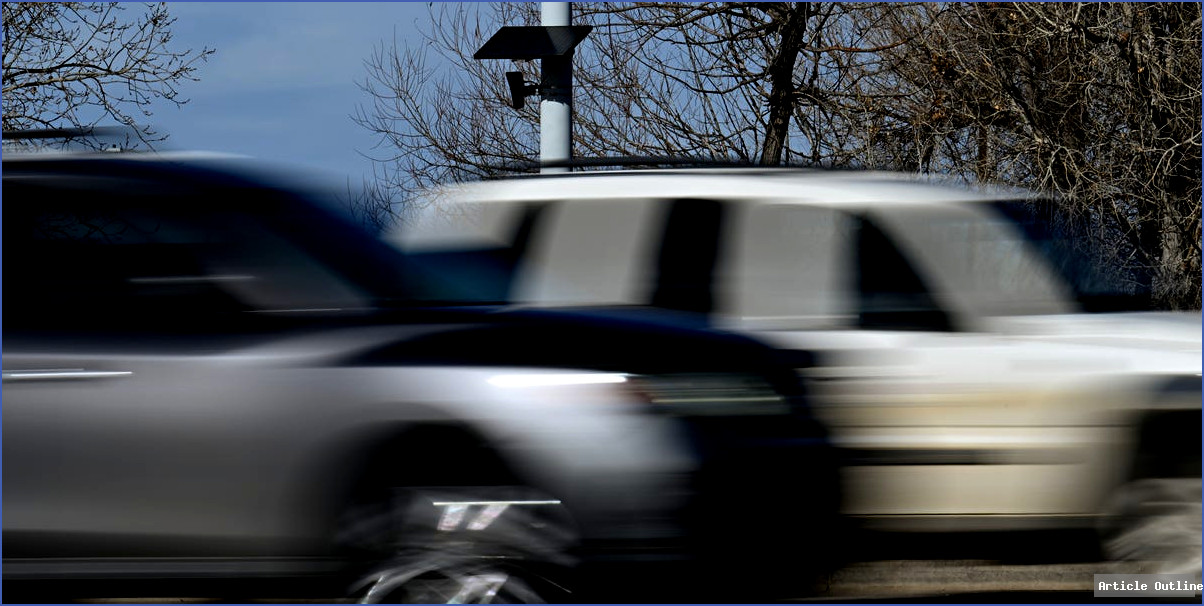
Let’s break down what this means for Colorado drivers, why it’s a big deal nationwide, and what most people are missing about this automated solution.

Why This Matters
- Average speed cameras catch habitual speeders, not just the unlucky ones. It’s no longer about being in the wrong place at the wrong time—it’s about how you drive over time, especially in high-risk zones like construction areas.
- Dramatic reduction in dangerous speeding: CDOT reported a 90% drop in excessive speeders during the 30-day warning period on I-25. That’s not just a stat—that’s potentially dozens of lives saved.
- Traditional tricks are obsolete. Waze alerts, radar detectors, even slowing down for the camera—none of these will reliably save you anymore. The system measures your speed over a stretch, not at a single point.
What Most People Miss
- The enforcement gap: Cars without license plates still slip through. While the cameras are effective, they’re only as good as the data they can collect. Unregistered vehicles or those intentionally missing plates evade fines entirely—a loophole Colorado is still struggling to close.
- No points, just a fine. Violators receive a $75 civil penalty by mail, with no impact on their driving record. This could lead to repeat offenses by the same drivers, unless the fine is raised or points are eventually added.
- Revenue goes back to enforcement. Most of the money collected funds further speed enforcement—not a cash grab for other projects, but a self-sustaining road safety initiative.
Key Takeaways
- Smart enforcement works. A 90% drop in excessive speeding suggests that automated, average speed cameras are more effective than traditional police patrols in construction zones.
- Tech is leveling the playing field—for safety, not scofflaws. Drivers can’t rely on crowdsourced alerts or gadgets to dodge tickets. The only real defense is driving responsibly.
- This is just the beginning. Other states are watching closely. Expect to see more average speed camera programs roll out nationwide, especially where construction or accident rates are high.
Industry & National Context
- Average speed (section control) cameras are common in Europe and have reduced fatalities by up to 50% in some corridors.
- In the US, similar programs have been slow to roll out due to privacy concerns and legal challenges—but Colorado’s results could be a tipping point.
- Construction zone fatalities are a growing problem: The Federal Highway Administration reports over 800 fatalities annually in work zones nationwide. Safer enforcement could be a game changer for worker and driver safety.
Timeline: Colorado’s I-25 Speed Camera Rollout
- 2023: CDOT empowered to use speed cameras in high-risk corridors.
- Early 2024: Cameras deployed on Highway 119 during major construction.
- April 2, 2026: Enforcement begins on I-25 south of Fort Collins after a 30-day warning period.
- Now: Massive speed reductions reported; debate continues on addressing plate-less vehicles.
Pros & Cons
- Pros: Safer work zones, less police risk, effective at curbing chronic speeding, revenue funds more road safety.
- Cons: Evasion by unregistered vehicles, potential for habitual offending due to lack of license points, privacy concerns for some drivers.
The Bottom Line
Colorado’s average speed camera program is a wake-up call for American drivers and lawmakers. High-tech enforcement is here, and it’s already saving lives. But for the system to truly work, states will need to crack down on loopholes like unregistered vehicles. Until then, the best way to avoid a fine is simple—drive safely, for the entire zone, not just where you think you’re being watched.