For over twenty years, the world has celebrated a quiet miracle: the number of children dying before age five halved, dropping from almost 10 million in 2000 to under 5 million by 2020. This progress, fueled by international aid, vaccines, and public health campaigns, has been a rare beacon of hope in global health. But the latest projections paint a starkly different picture for 2025—and the consequences could echo for generations.
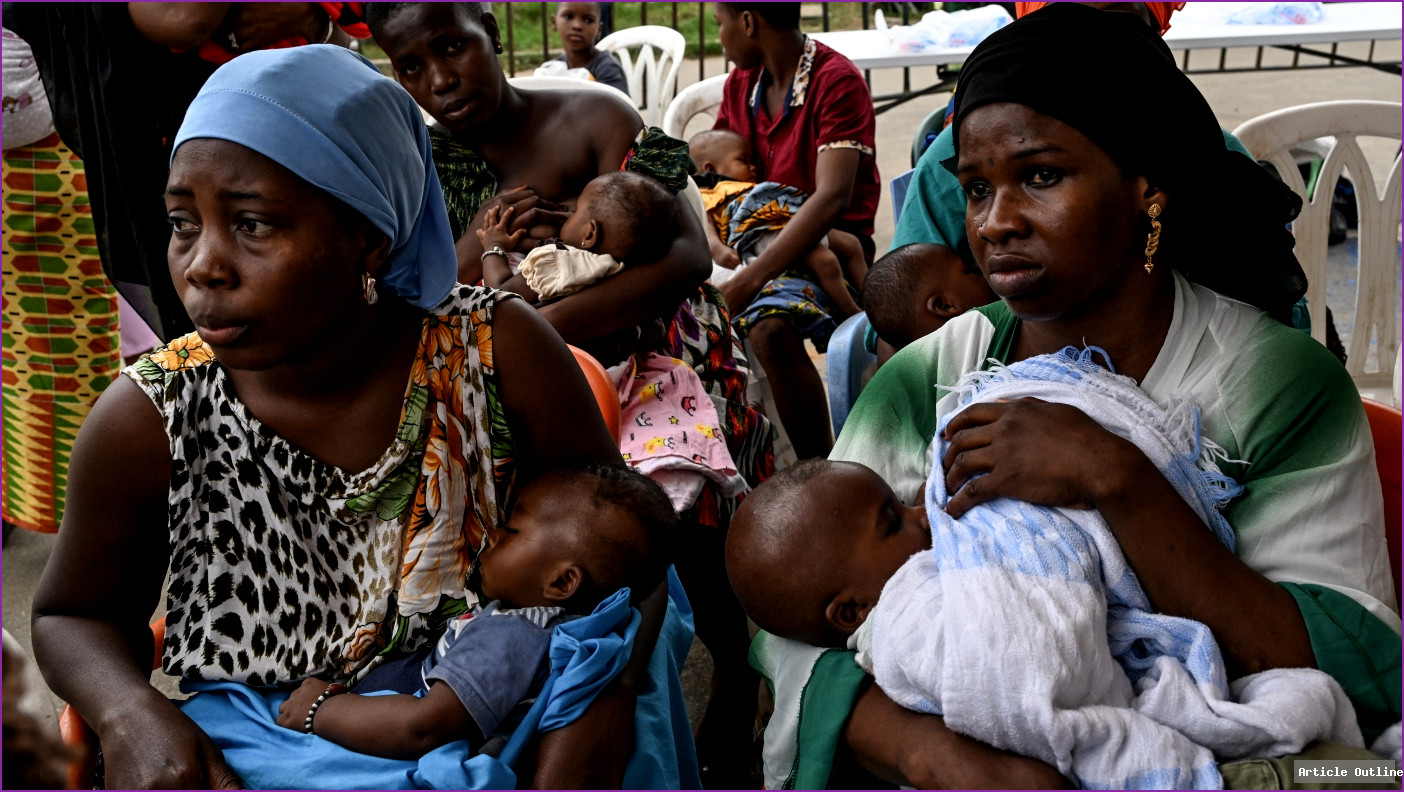
Recent estimates from the Institute for Health Metrics and Evaluation (IHME) at the University of Washington predict a reversal of this hard-won trend: child deaths under five are expected to increase by more than 200,000 in 2025, reaching 4.8 million worldwide. This isn’t just a blip in the data—it’s a warning siren for the entire global health community.

Why This Matters
- Global child mortality is a sensitive barometer for public health investment, stability, and progress. When it ticks upward, it signals systemic failures—economic, political, and humanitarian.
- Decades of progress could unravel quickly. One year of setbacks often means years of recovery, especially for the most vulnerable populations.
- This isn’t just about numbers; it’s about the futures of millions of children—potential doctors, teachers, and leaders—being cut short.
What Most People Miss
- Foreign aid is not just charity—it’s life-saving infrastructure. The bulk of health budgets in low-income countries depends on these funds. Recent cuts mean fewer vaccines, less medicine, and collapsing health systems.
- The projected increase is based on robust modeling, not just guesses. The IHME built its forecasts by tying actual health spending (driven largely by aid) to real-world mortality outcomes. These are conservative estimates—so the real toll may be even higher.
- This isn’t just a U.S. issue. The United Kingdom, France, Germany, and others have all slashed international health aid, shifting priorities while poorer nations bear the cost.
- Some countries, like Indonesia and South Africa, are stepping up—but their new contributions barely dent the funding shortfall.
Key Takeaways
- Foreign aid for health dropped by more than 26% in a single year—from $49 billion in 2024 to $36 billion in 2025.
- Low-income and Sub-Saharan African countries will suffer the most. Some will lose up to 20% of their health budgets due to these cuts.
- If these cuts persist, the IHME estimates up to 16 million additional children could die by 2045 compared to earlier forecasts.
- The positive scenario? Recommitting to 2024 funding levels and deploying new health innovations could save 12 million more children by 2045.
Timeline of Events
- 2000–2020: Child mortality under age 5 drops by 50%.
- 2020–2023: Progress slows due to COVID-19, but doesn’t reverse.
- 2024: Foreign aid for health at $49 billion.
- 2025: Aid drops to $36 billion; child deaths projected to rise for the first time this century.
- 2045 (projected): Up to 16 million additional child deaths if aid cuts continue.
Pros and Cons of Global Aid Cuts
- Pros: (For donor countries) Potential budget savings, political capital at home.
- Cons: Loss of life, destabilized regions, increased disease outbreaks, rollback of decades of global progress.
“Sometimes we talk about numbers. Oh, this is an increase in mortality, a percent increase. What is a percent? It’s a human. It’s a child. It could be your child. It could be my child.” — Brooke Nichols, global health researcher
The Bottom Line
For the first time in decades, the world faces a grim milestone: child mortality is set to increase, not decrease. The cause is clear—massive, simultaneous cuts in foreign health aid. While some countries are trying to fill the void, the gap is simply too large. If we want to avoid undoing a generation’s worth of progress, global leaders must act decisively to restore and reimagine international health investment. This isn’t just a humanitarian imperative—it’s a test of our shared values and our commitment to the world’s most vulnerable.