The world’s streets lit up this weekend—not just with anger, but with a fierce determination for justice. People from Berlin to Washington, Tokyo to Sydney, took to the streets to stand with the women of Iran, following the tragic death of Mahsa Amini. Her passing, while in the custody of Iran’s morality police, has become a lightning rod for the global movement against oppressive regimes and gender-based violence.
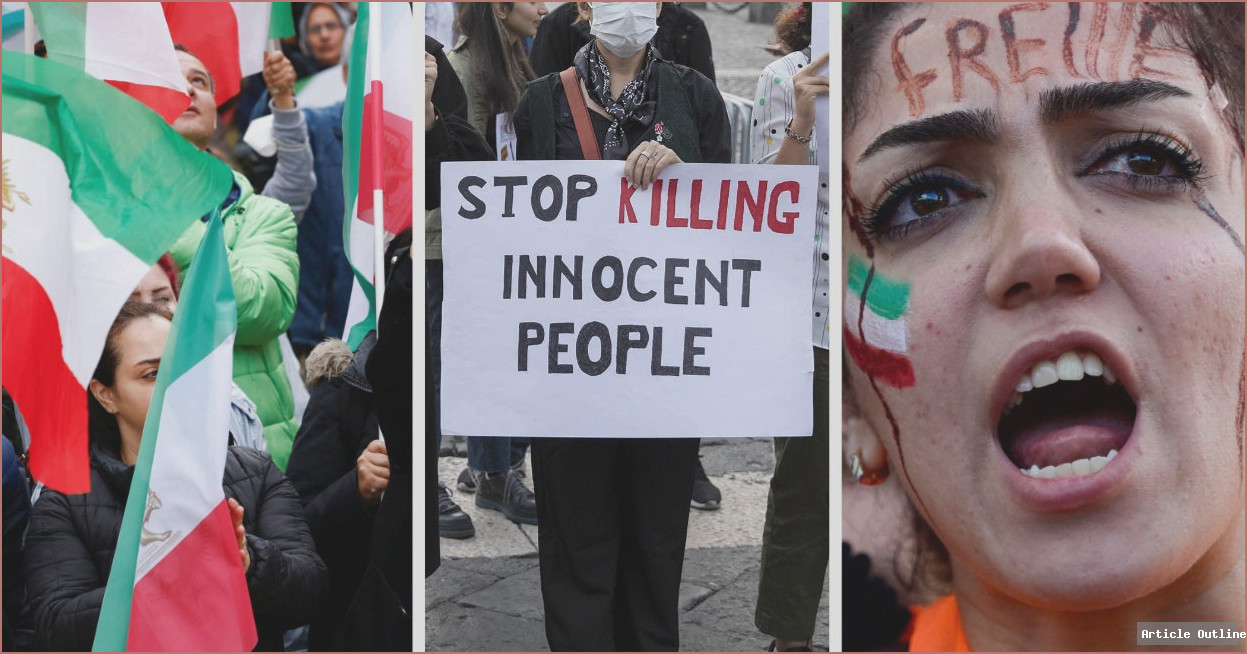
But these protests aren’t just about Iran—they’re about the universal right to freedom, bodily autonomy, and resistance against authoritarianism. Let’s break down why these marches matter, what most headlines are missing, and where this movement could take us next.
Why This Matters
- It’s a pivotal moment for women’s rights worldwide. Mahsa Amini’s death is now a global symbol, sparking solidarity from people who might not have previously engaged with Iranian issues.
- Transnational activism is on the rise. The sheer scale—37,000 in Berlin alone—shows a new level of coordination and urgency among global civil society.
- The focus has shifted from local to universal values. This isn’t just about hijab laws. It’s about the fundamental right to protest, to dissent, and to challenge unjust power structures everywhere.
What Most People Miss
- The Iranian diaspora’s role is enormous. Many organizers and marchers outside Iran are part of the Iranian community abroad, leveraging international platforms to amplify voices inside Iran—often at personal risk.
- Solidarity protests put pressure on international governments. Demonstrations in Western capitals make it politically risky for leaders to ignore Iran’s human rights abuses—hence, President Biden’s recent, public condemnation.
- Social media is making these movements borderless. Hashtags like #MahsaAmini and #WomenLifeFreedom have trended globally, making it harder for repressive regimes to control the narrative.
Key Takeaways
- Scale matters: From Berlin to the National Mall in DC, these are not small, symbolic gatherings—they are massive, diverse, and persistent.
- Regimes are feeling the heat: When voices echo from Tehran’s universities to the streets of Sydney, authoritarian leaders know their actions are under a global microscope.
- Women’s rights are human rights: The world is recognizing that the fight for Iranian women’s freedom is inseparable from the fight for dignity everywhere.
Timeline: The Road to Global Outrage
- Sept. 16: Mahsa Amini dies in custody, allegedly for an ‘improper’ hijab.
- Following days: Protests erupt across Iran, quickly escalating in size and intensity.
- Late September – October: International condemnation grows; solidarity marches span Europe, North America, Asia, and Australia.
- Current: Iranian students and citizens continue to protest, while global demonstrations keep the pressure on.
Action Steps & Practical Implications
- Support legitimate Iranian human rights organizations—amplify their calls and donate if possible.
- Keep the conversation going. Share information, attend local solidarity events, and use your own platform to spread awareness.
- Urge policymakers to take concrete action—from targeted sanctions to asylum support for those at risk.
The Bottom Line
What started as a tragedy in Tehran has become a global movement. The protests for Mahsa Amini are more than an outcry—they’re a catalyst for a worldwide reckoning with gender, power, and the right to dissent. As international voices grow louder, so does the hope that change in Iran could spark change everywhere. This is solidarity in action, and its ripples may be felt for generations.