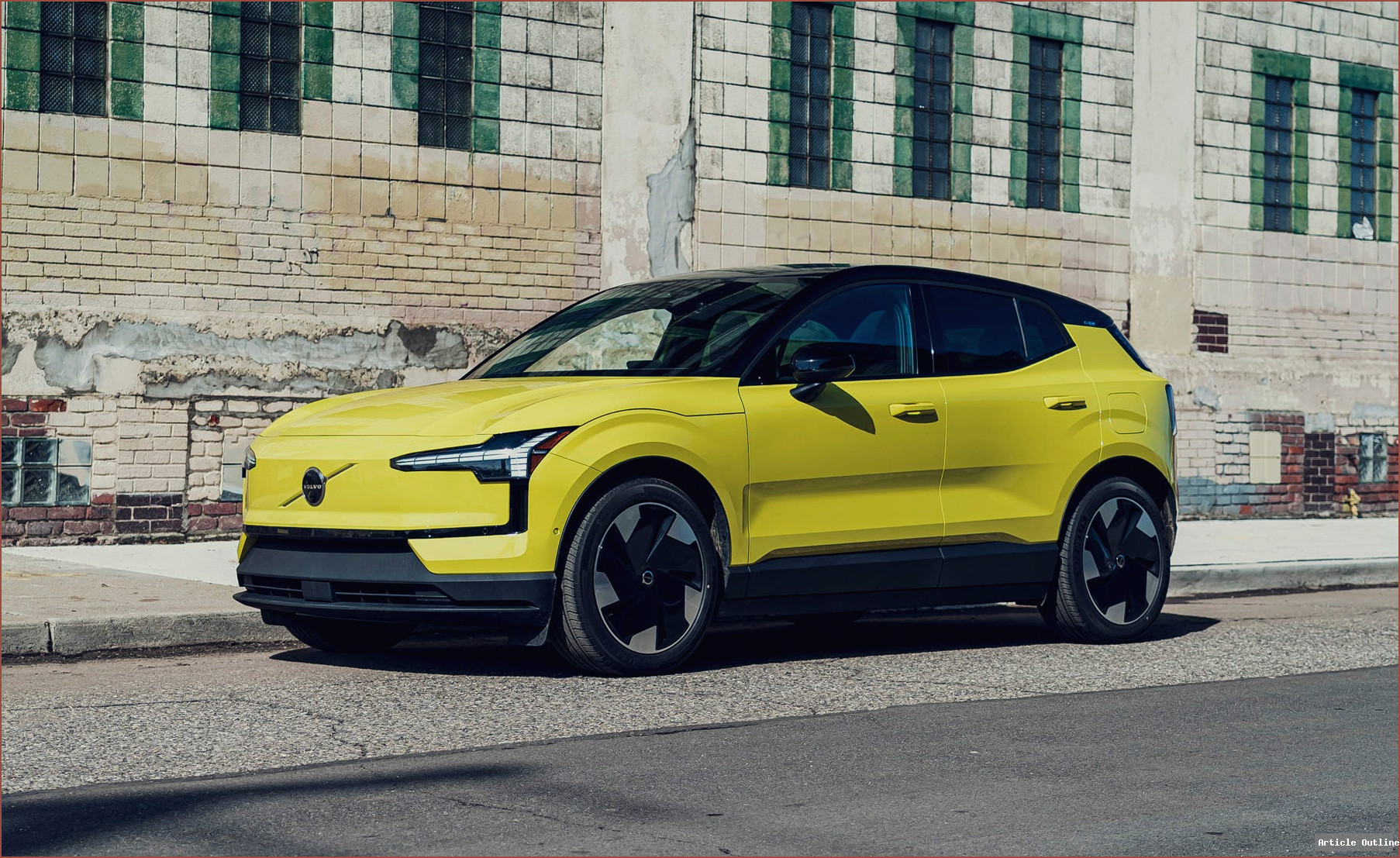
The electric vehicle (EV) revolution in the U.S. has hit a speed bump, and it’s not just a pothole—it’s a full-on detour. Over the past year, major automakers have pulled the plug on a surprising number of EVs, sometimes after just a single model year. What does this mean for drivers, the industry, and the future of electrification?
Why This Matters
- The wave of discontinued EVs signals a shift in both consumer demand and automaker strategy. After years of aggressive electrification promises, manufacturers are facing the reality that not all EVs will sell—or survive.
- The industry’s course correction impacts everything from climate goals to job security and supply chains. If you thought a greener future was inevitable, think again: the road is winding and full of recalculations.
Key Takeaways
- Cooled demand is real. U.S. EV sales growth slowed from 46% in 2023 to an estimated 20% in 2024, according to Cox Automotive.
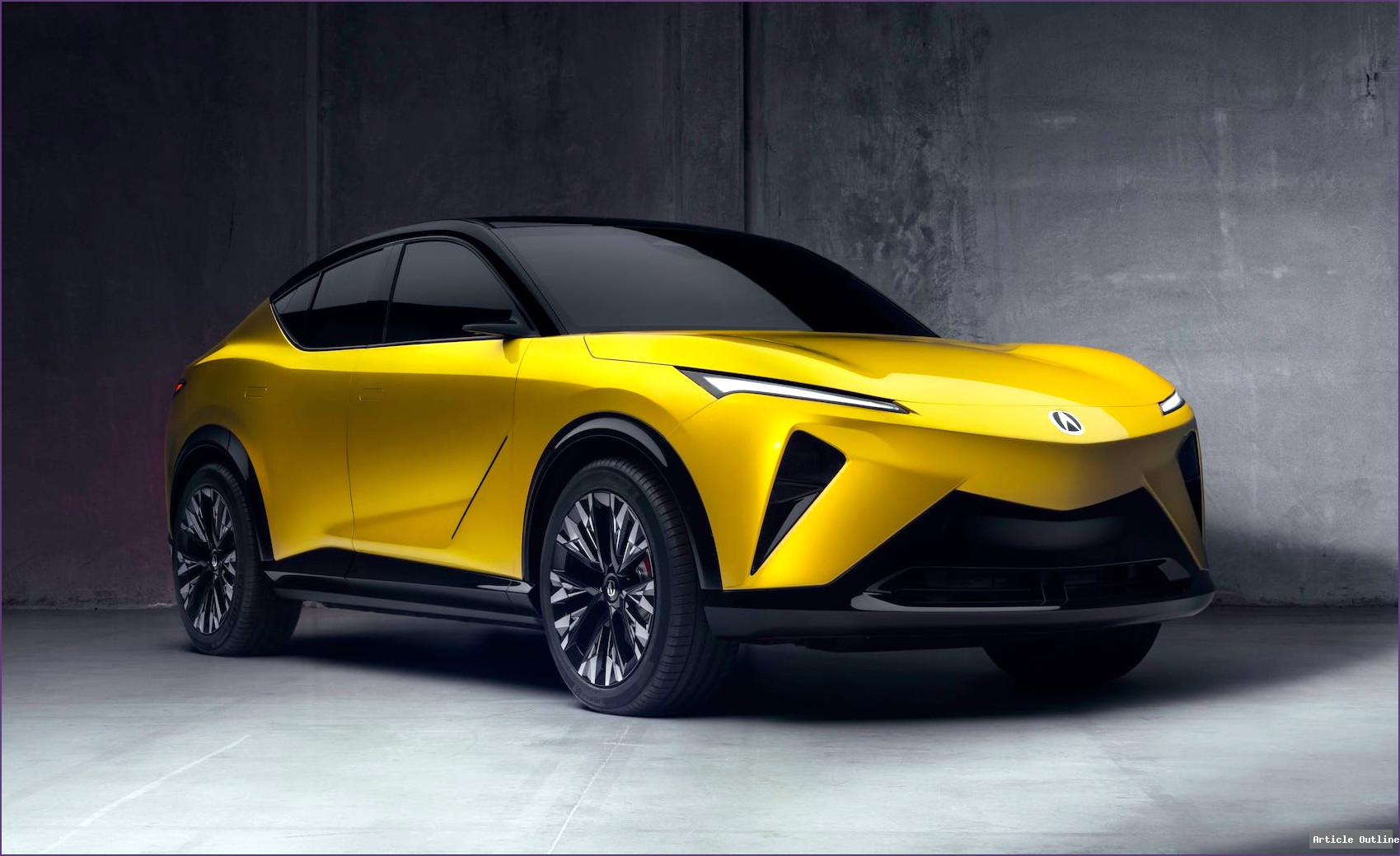
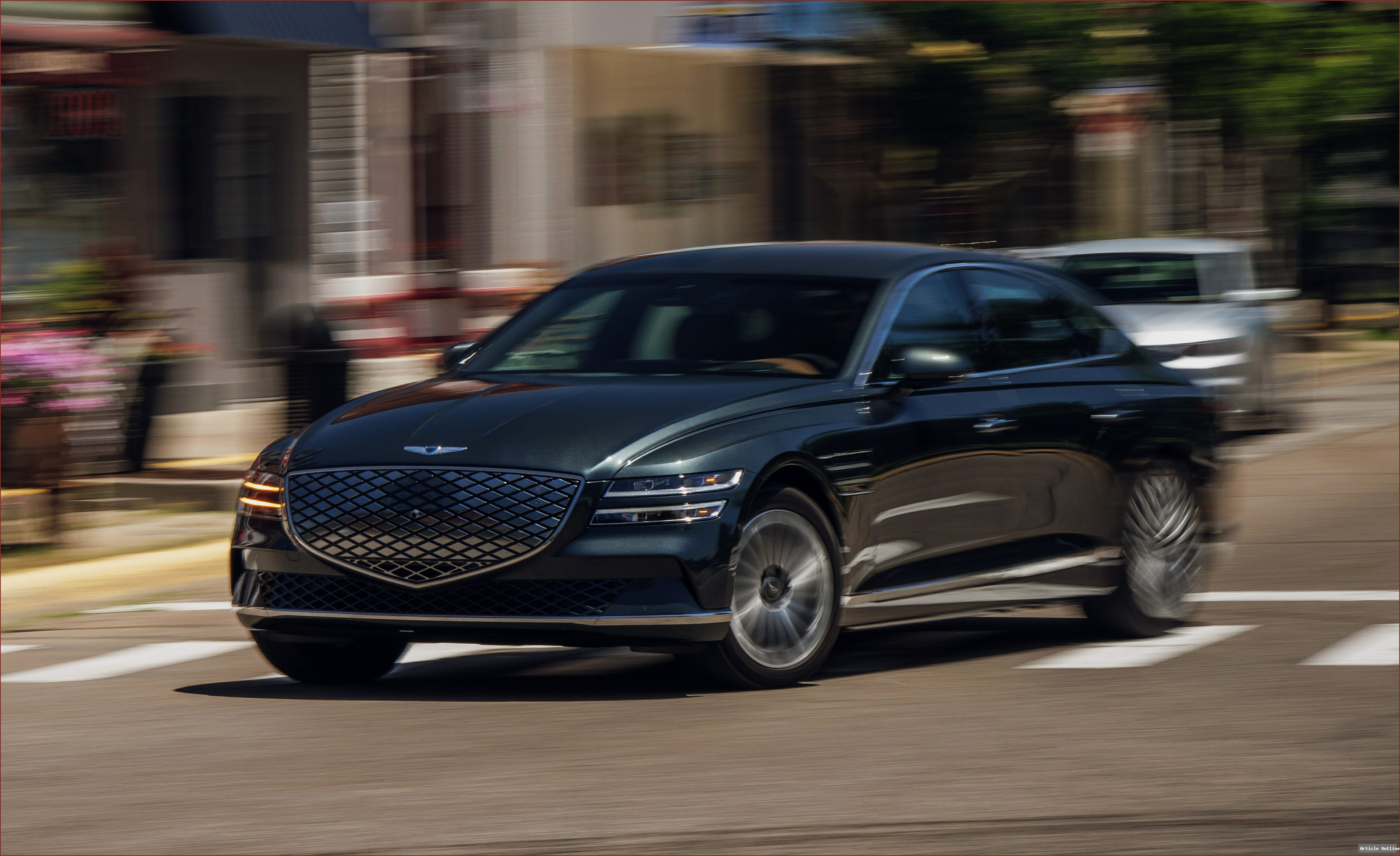
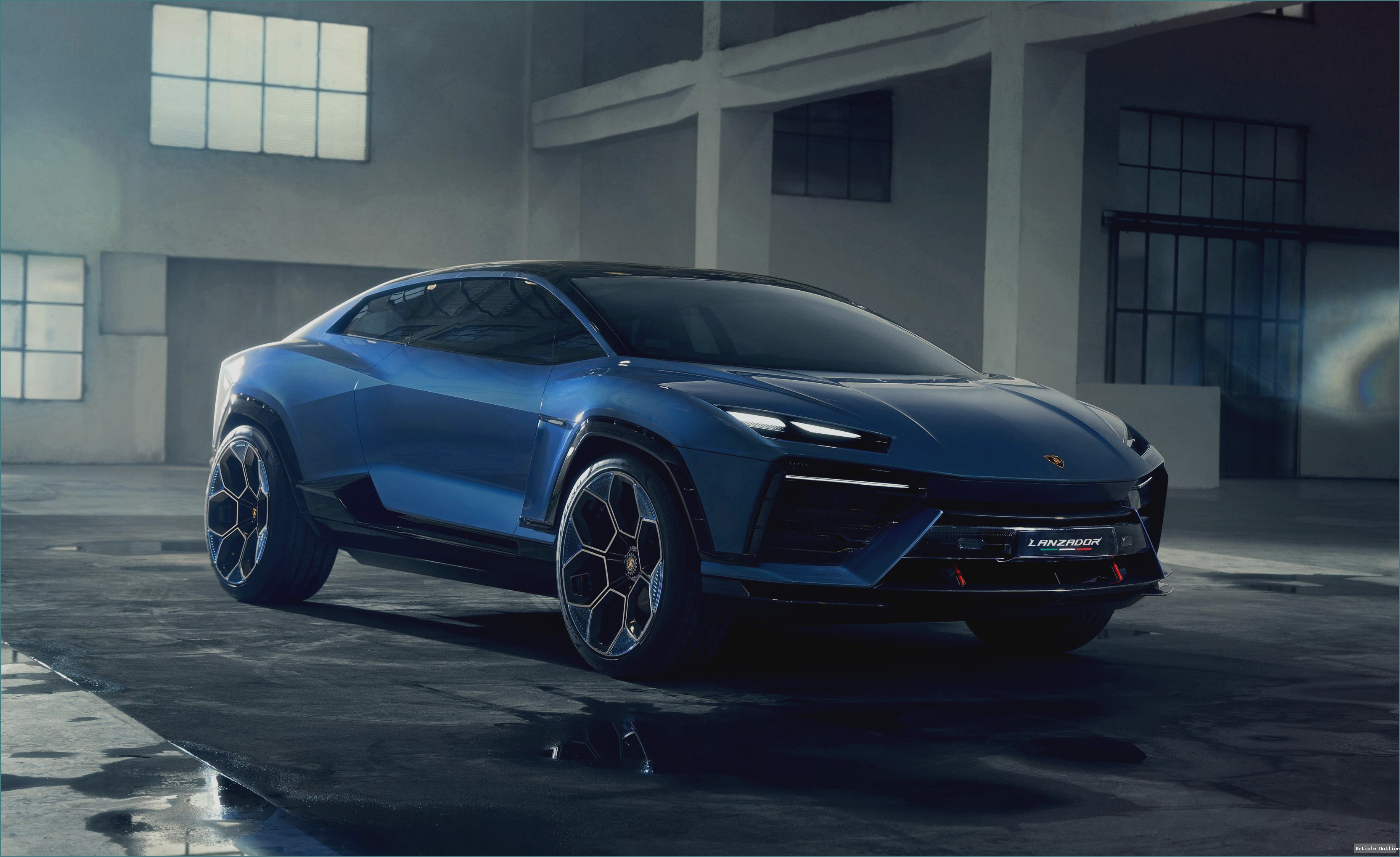
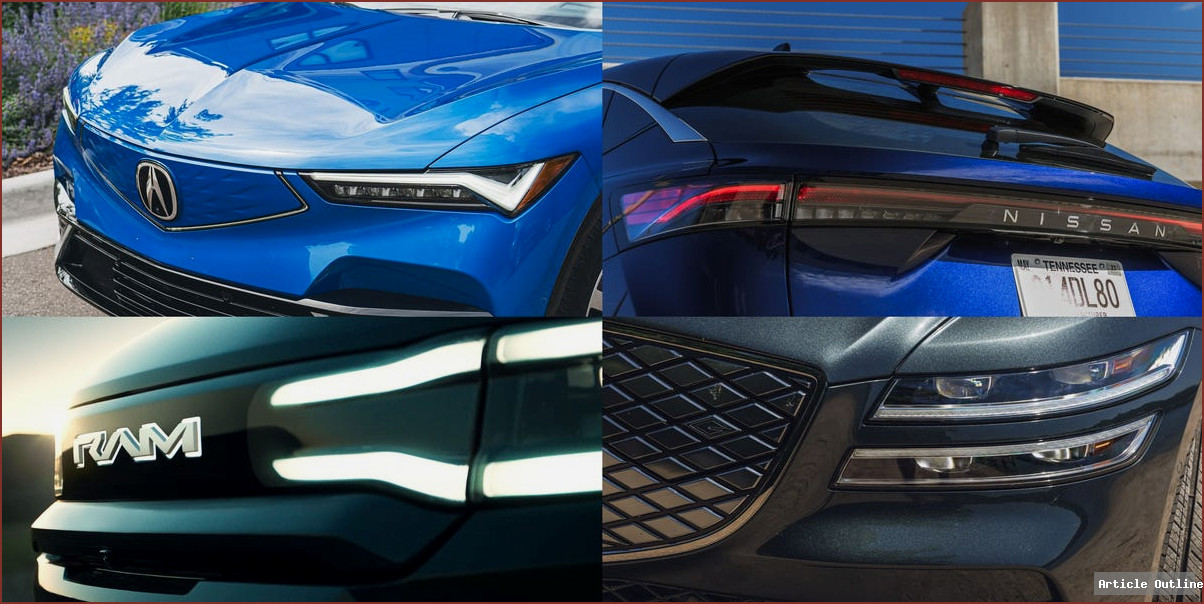
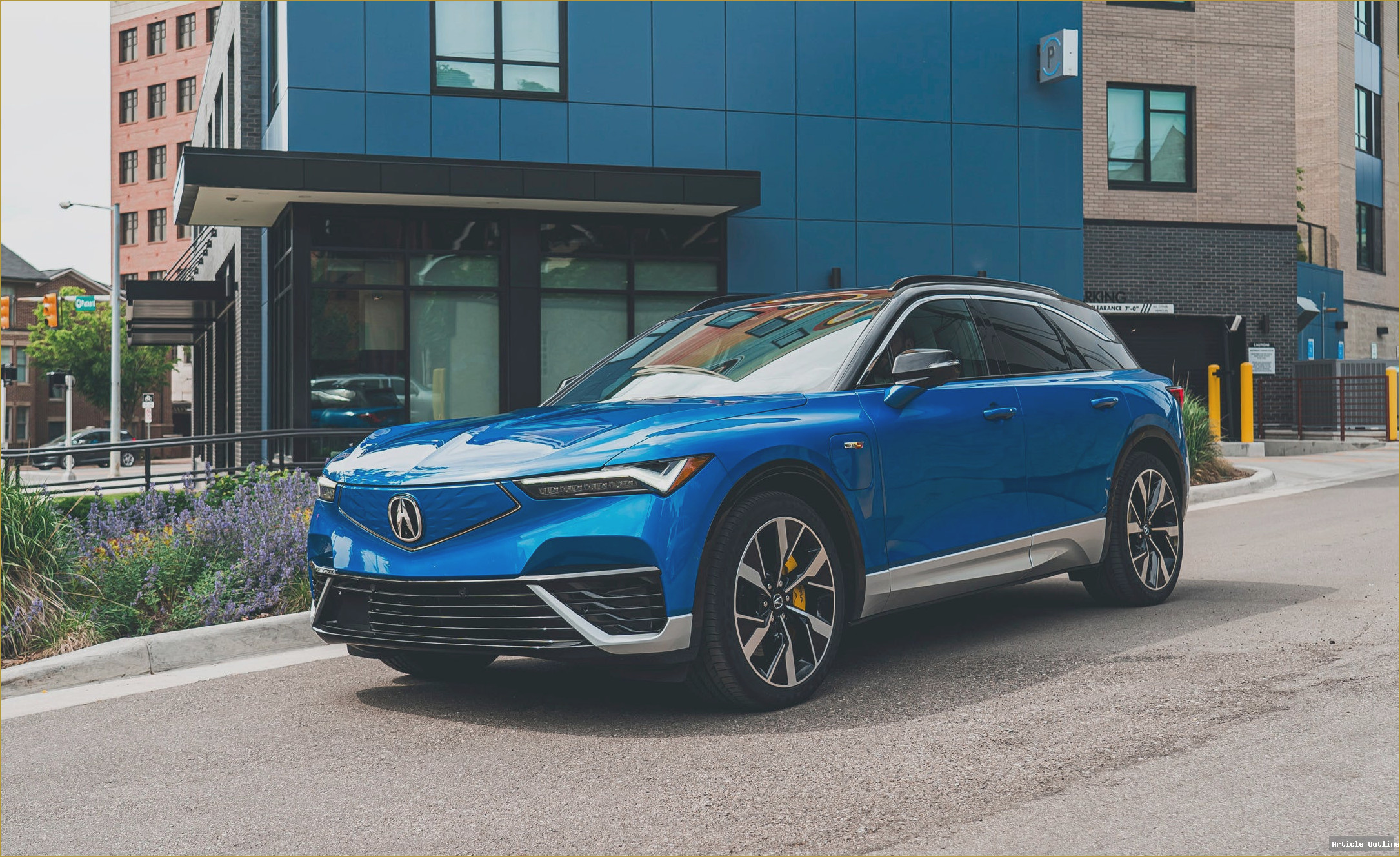
- Even luxury and performance brands are pulling back. Canceled models include Acura ZDX, Genesis Electrified G80, and Lamborghini Lanzador.
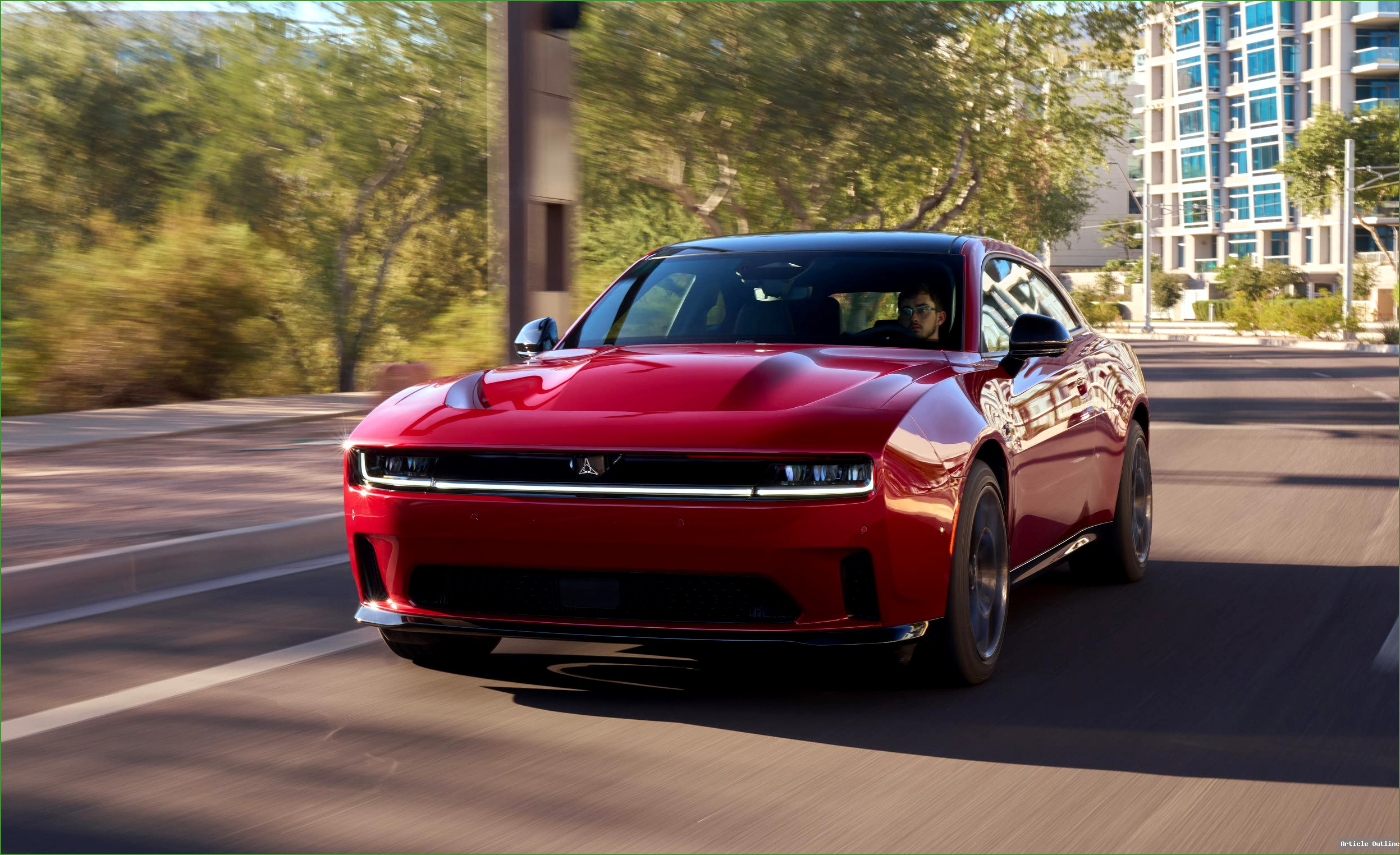
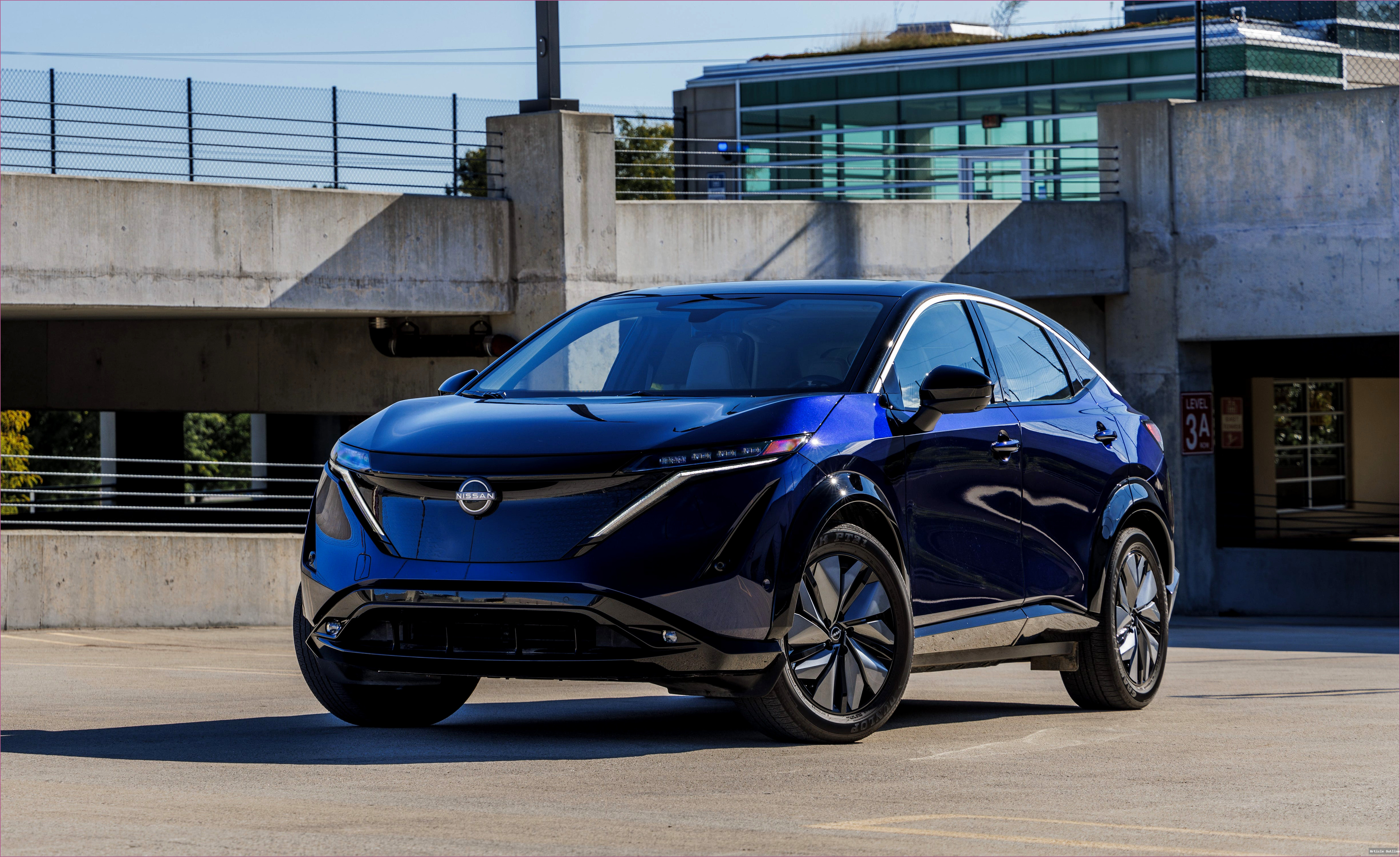
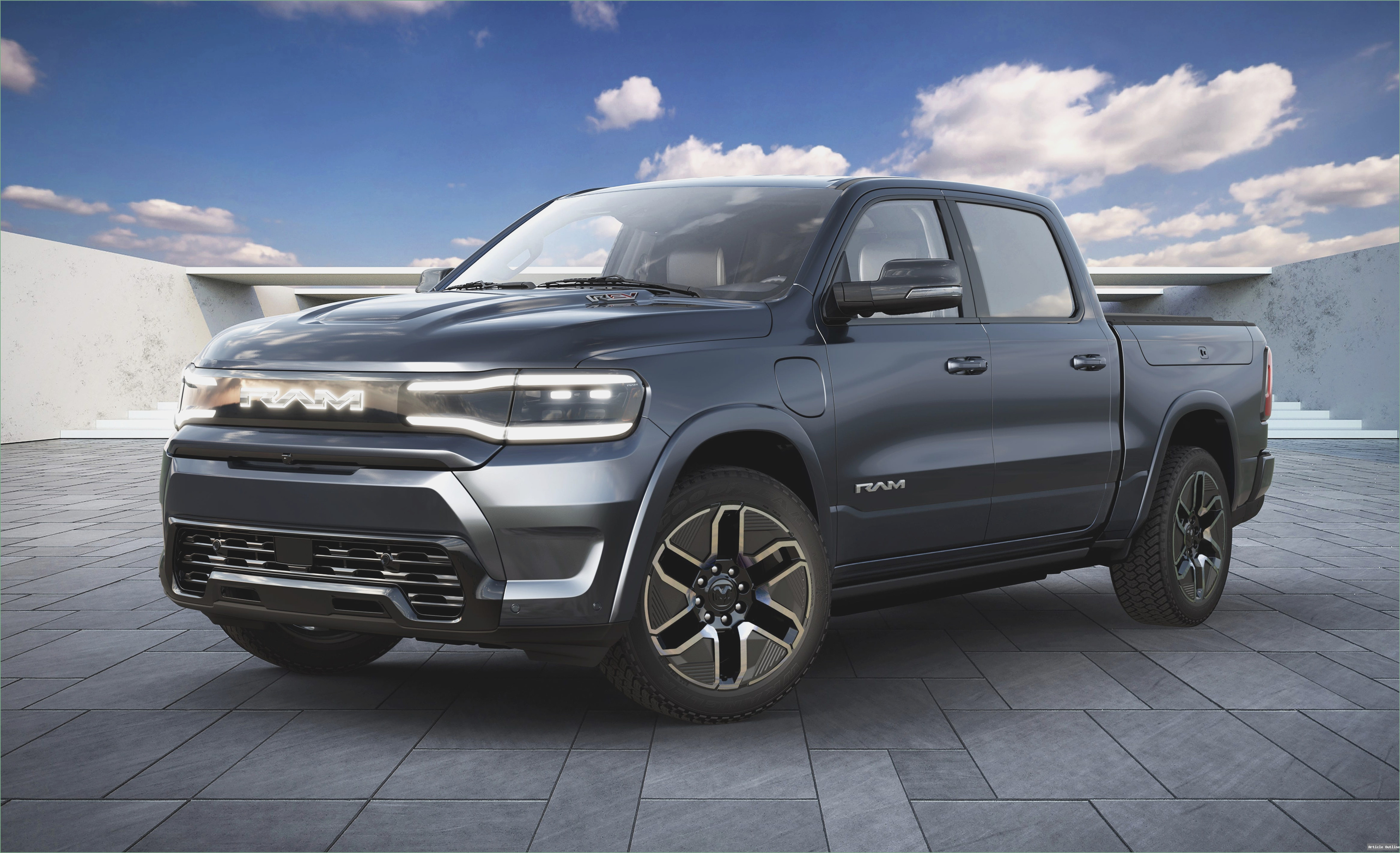
- Many EVs didn’t make it past a single year in showrooms, including the Nissan Ariya and Ram 1500 EV.
- Tariffs, battery costs, and expiring tax credits are reshaping decisions.
- Plug-in hybrids are gaining favor as a fallback, with brands like Lamborghini and Ram shifting focus from full electrics to PHEVs.
What Most People Miss
- The “EV slowdown” isn’t just about demand—it’s about infrastructure, policy, and profits. Automakers are facing high development costs, uncertain government incentives, and a charging network that still frustrates many drivers.
- Some canceled models were never intended as volume sellers—they were compliance cars or halo projects to test the waters and earn regulatory credits.
- The pivot to plug-in hybrids is a tacit admission: American drivers want flexibility, not forced electrification.
Timeline: Recent Major EV Cancellations & Delays (2025–2026)
- Sep 2025: Acura ZDX discontinued after just one year.
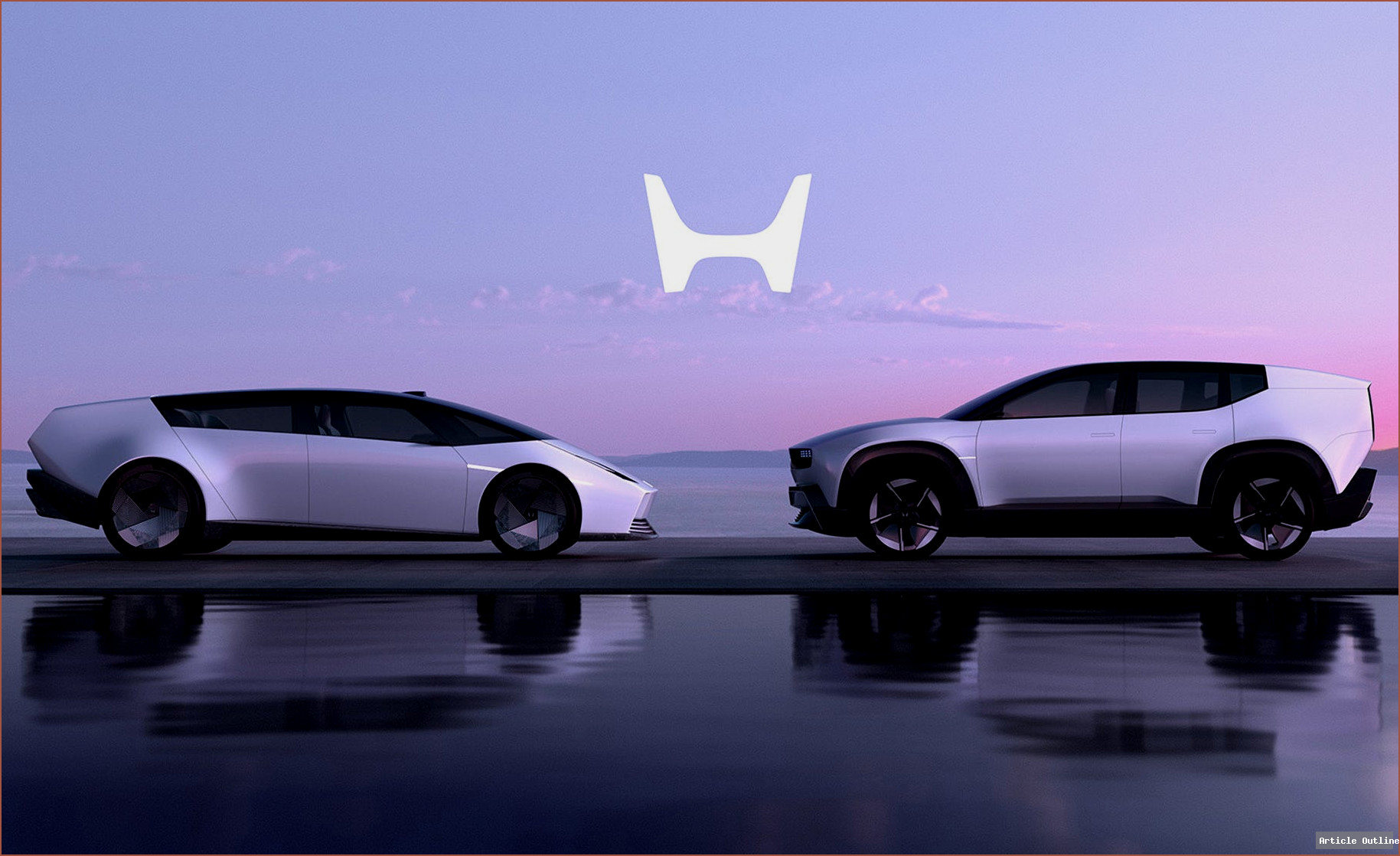
- Mar 2026: Honda cancels 0-Series SUV, Saloon, and Acura RSX EVs before launch.
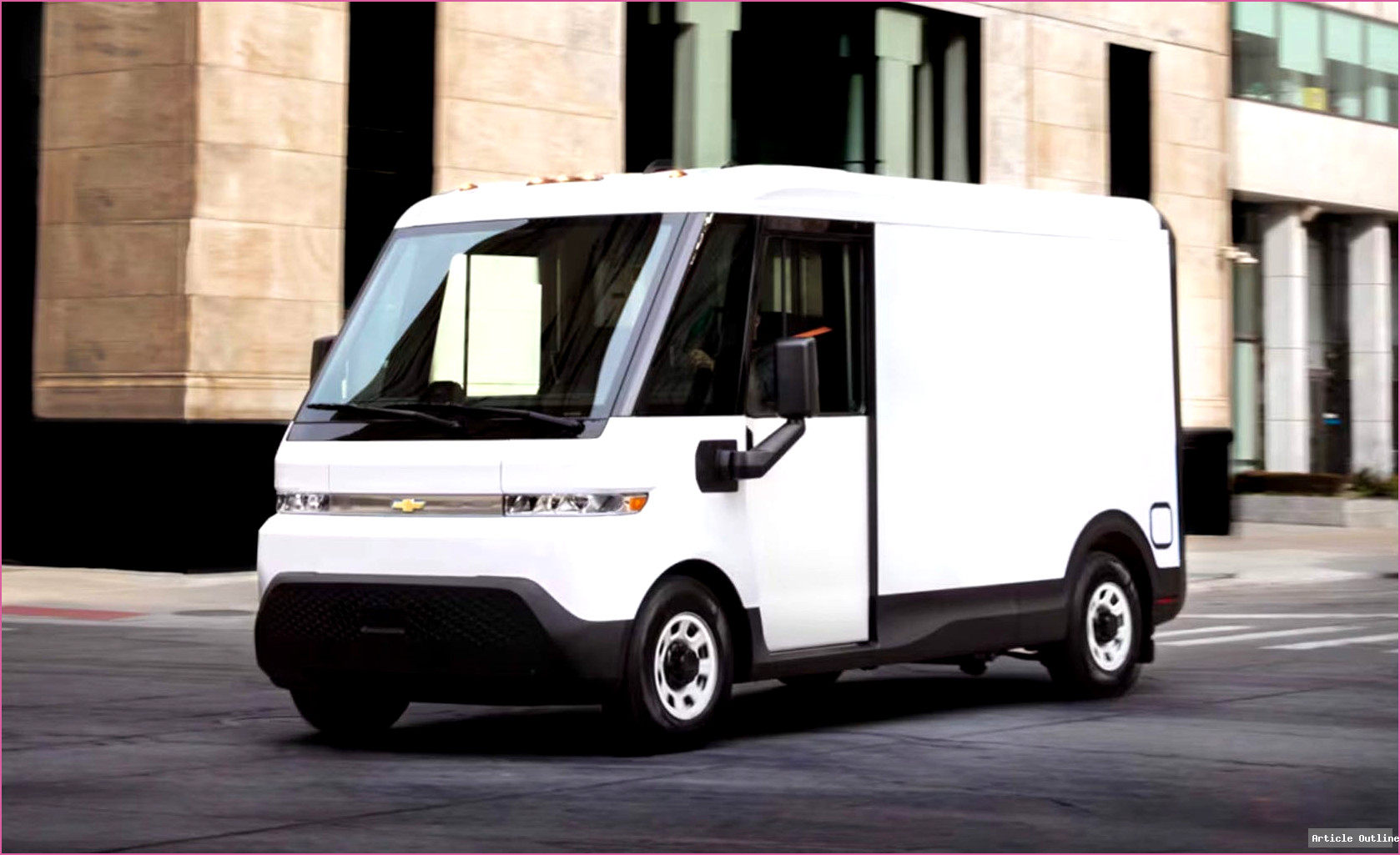
- Oct 2025: GM axes Chevrolet BrightDrop electric vans.
- Aug 2025: Genesis drops Electrified G80 in U.S. due to low sales.
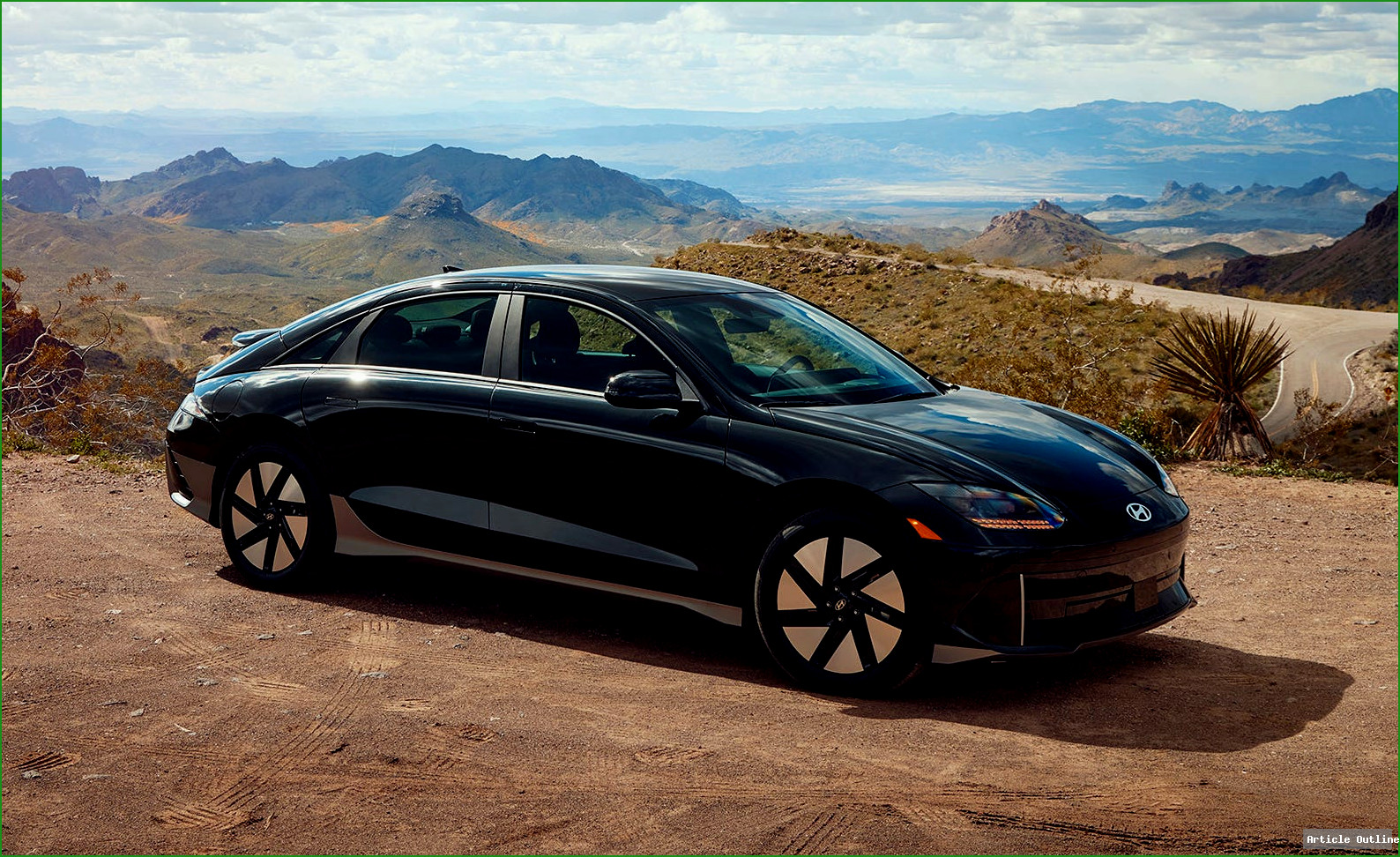
- Mar 2026: Hyundai discontinues Ioniq 6 except for high-performance N model.
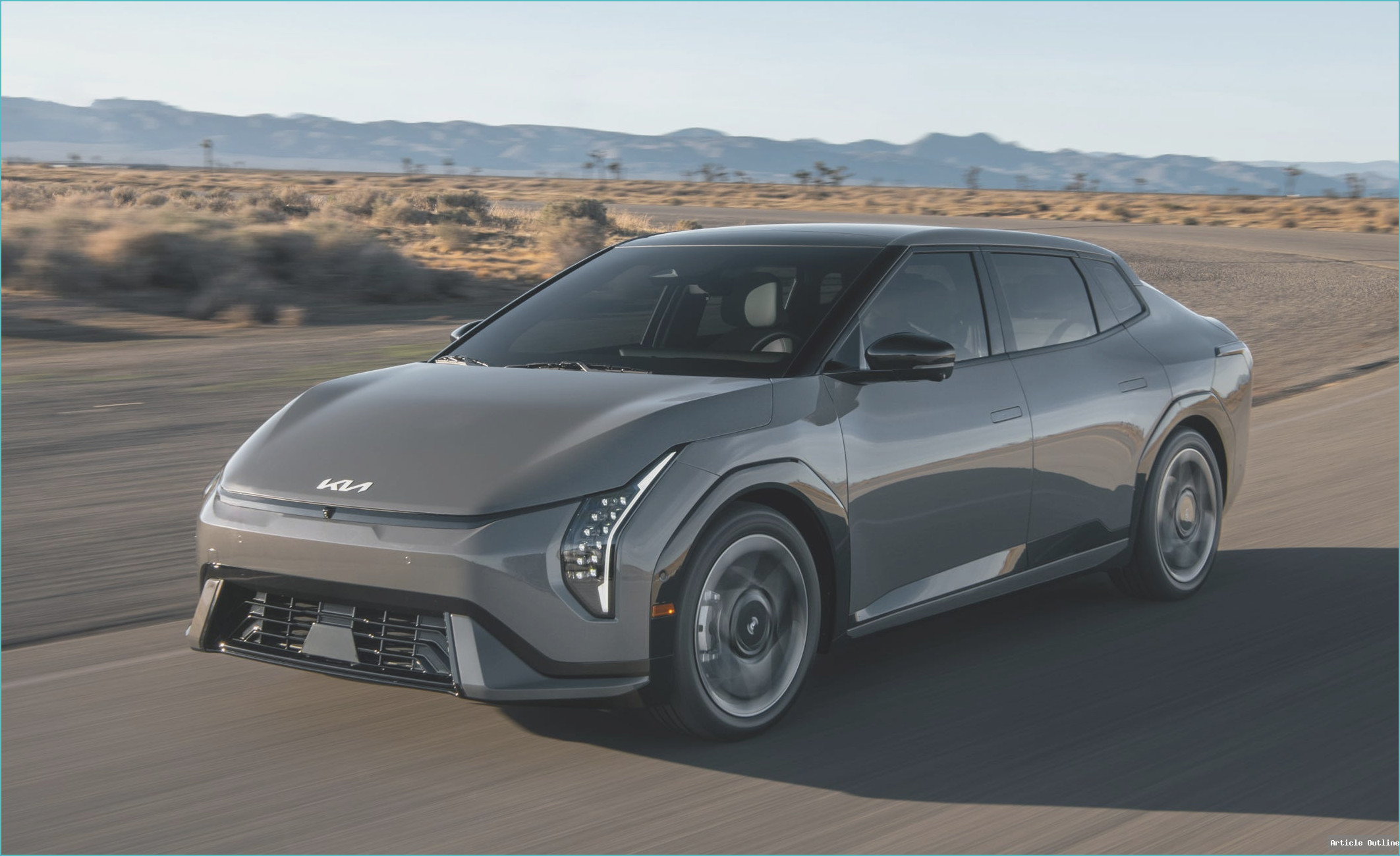
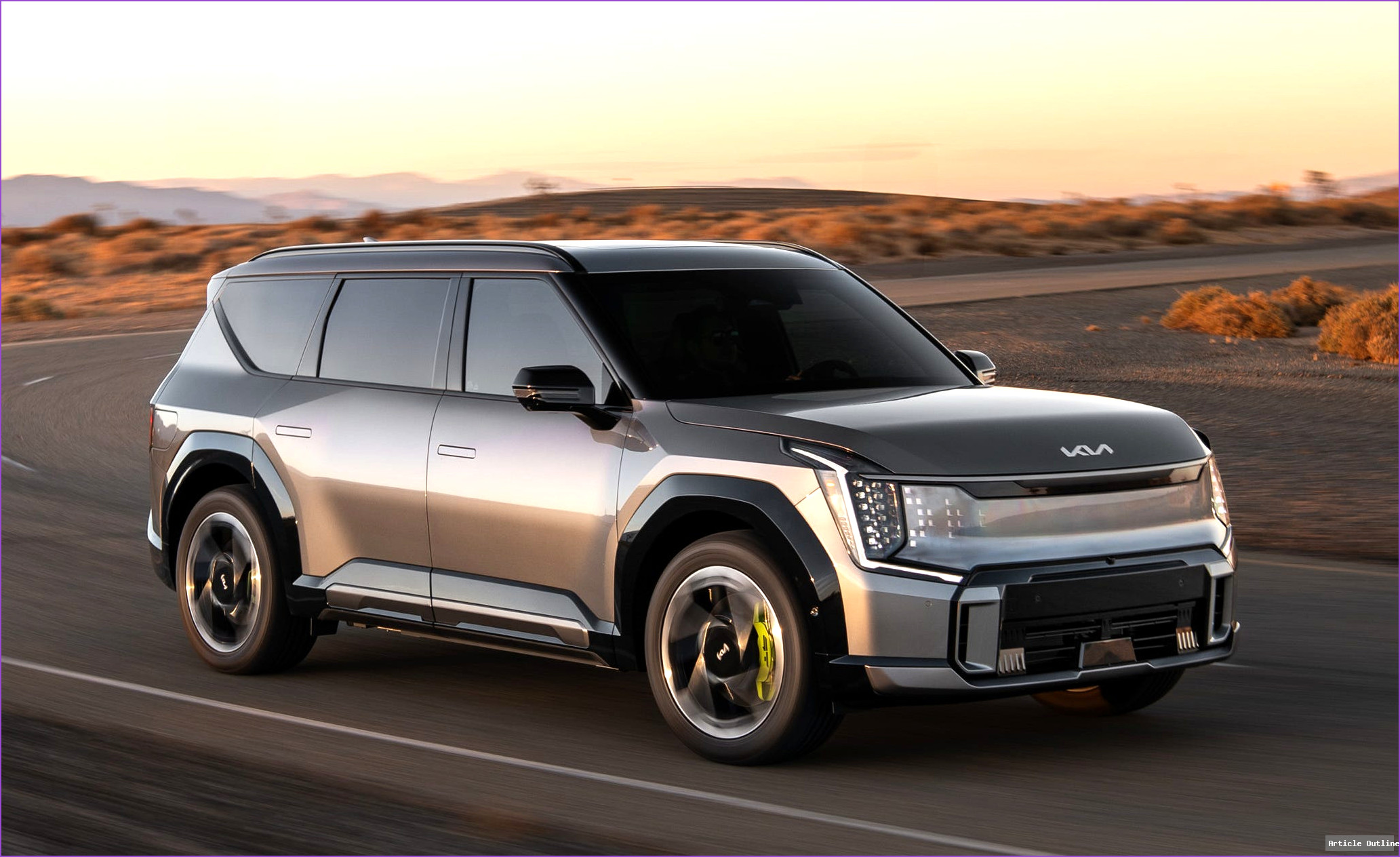
- Oct 2025: Kia indefinitely delays EV4 and EV9 GT; EV6 GT discontinued in Mar 2026.
- Feb 2026: Lamborghini scraps full EV plans for Lanzador and next-gen Urus.
- Sep 2025: Ram cancels 1500 REV electric pickup, pivots to PHEV.
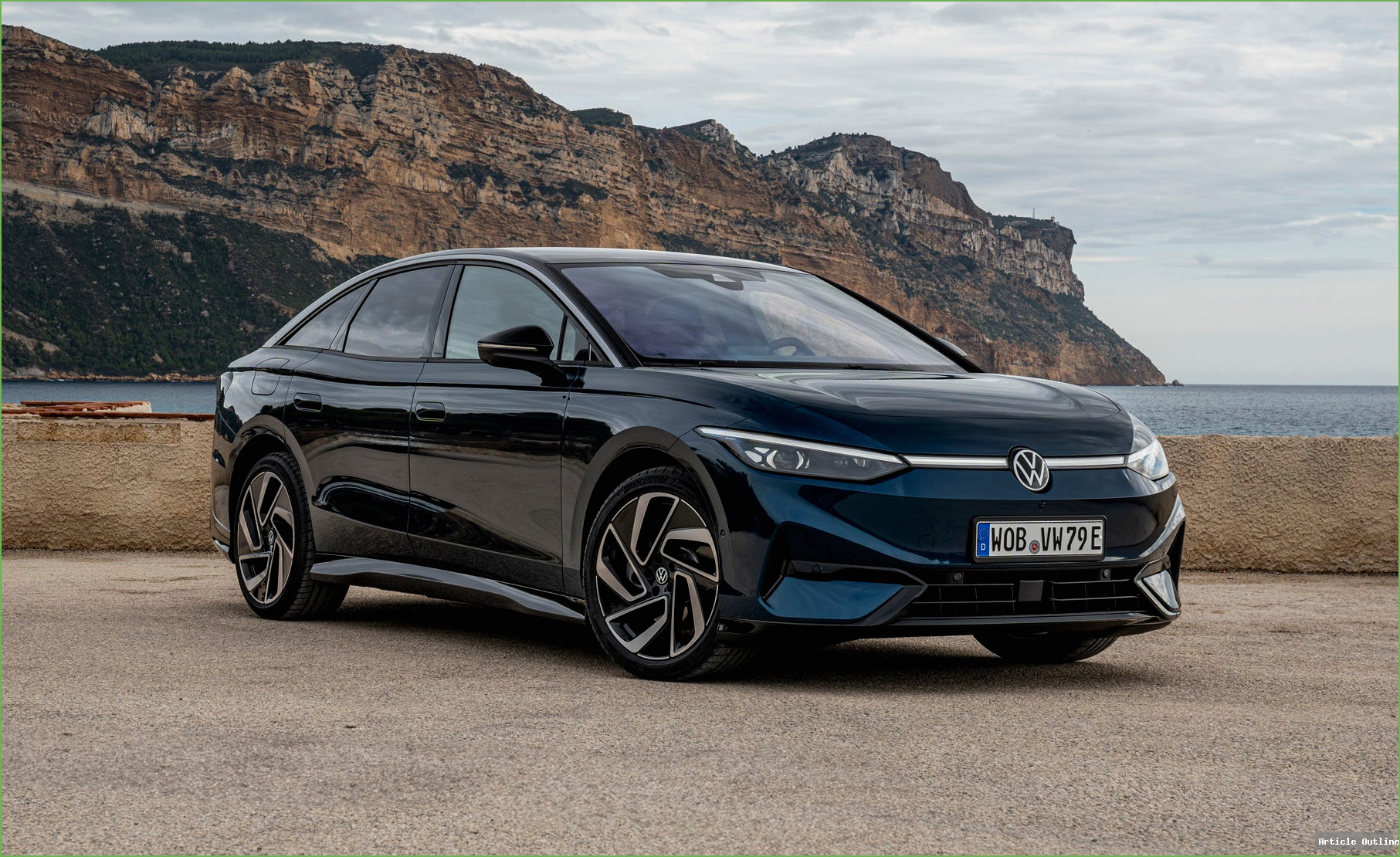
- Jan 2025: Volkswagen cancels U.S. launch of ID.7 sedan.
Industry Context: Comparing to Previous Trends
- In the early 2010s, many “compliance EVs” like the Fiat 500e and Ford Focus Electric flopped due to low range and high price. The current wave of cancellations is broader and includes high-tech, long-range models.
- Globally, EV sales continue to climb—China accounts for over 60% of global EV sales in 2024, while U.S. adoption lags at just 9% of new vehicles (S&P Global Mobility).
Expert Commentary: What’s Next for the EV Market?
“We’re seeing a recalibration, not a retreat. Automakers are responding to real market signals and shifting their bets to hybrids or more affordable EVs. The winners in the next wave will be those who offer flexibility and value, not just novelty.”
– Industry Analyst
Pros and Cons of the Current EV Retrenchment
- Pros:
- Resources can be refocused on developing better, more competitive EVs.
- Plug-in hybrids offer a practical bridge for hesitant consumers.
- Market shakeout weeds out models that weren’t ready for prime time.
- Cons:
- Consumer confidence may erode if models disappear overnight.
- Slowdown risks losing momentum in the race against climate change.
- Job losses in EV development and production.
Action Steps: What Should Shoppers and Industry Watchers Do?
- If you’re buying: Check for incentives and support before committing to a discontinued or soon-to-be discontinued model.
- If you’re investing: Watch for which brands double down on hybrids and affordable electrics.
- If you’re following policy: Expect the debate over mandates vs. market-driven adoption to intensify.
The Bottom Line
The story of EVs in America is far from over—but the easy narrative of “everyone will drive electric soon” has been thrown out the window. The next chapter will be written by pragmatists, not evangelists. The brands that survive this shakeout will be those who listen to drivers—and make electrification work for them, not just for regulators or headlines.
Sources: