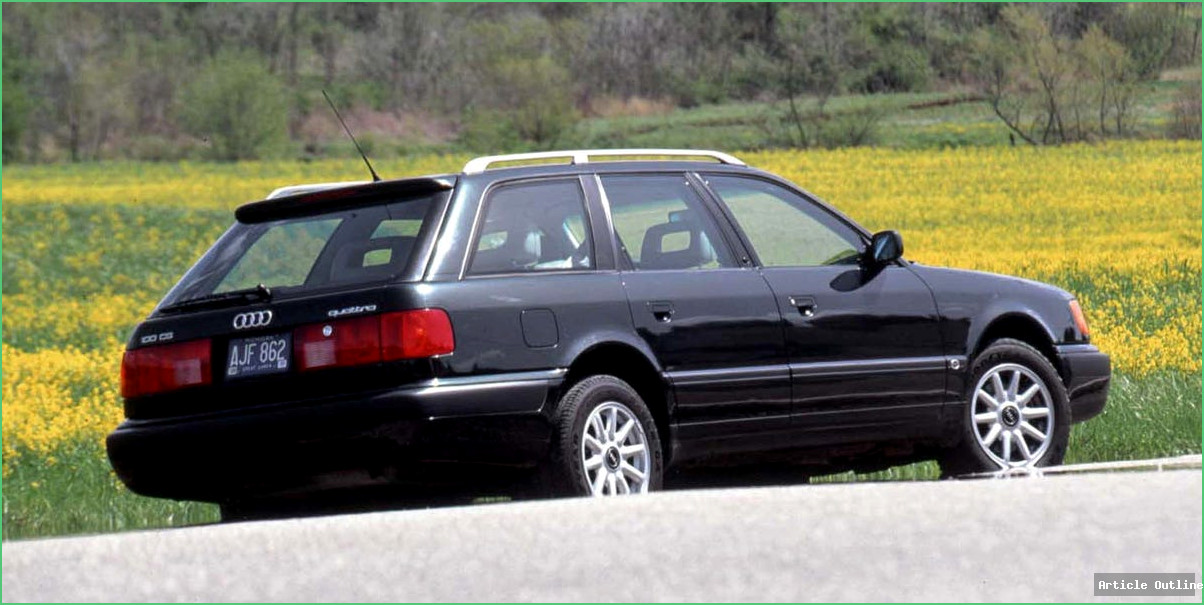
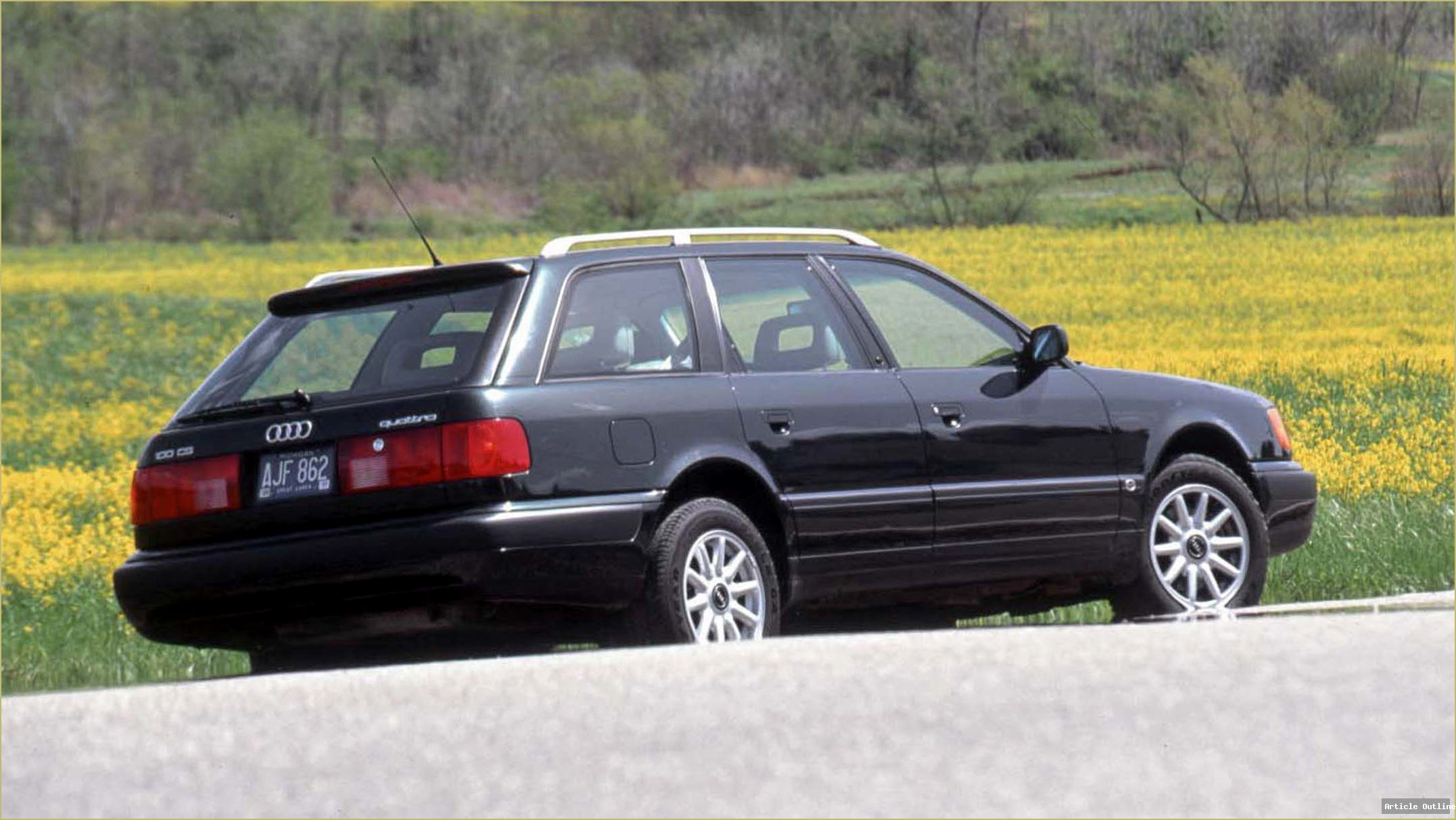
When you think of practical family haulers, the words ‘sporty innovation’ don’t usually spring to mind. But the 1993 Audi 100CS Quattro Wagon shattered boring expectations, packing seven seats, all-wheel drive, and a host of forward-thinking features—long before SUVs dominated the family segment.
Let’s break down why this quirky, luxurious wagon still matters today and what most people overlook when looking back at its legacy.
Why This Matters
- All-Wheel Drive for the Masses: In the early ‘90s, AWD was a rarity in non-off-roaders. Audi’s Quattro system made true year-round capability mainstream in family cars.
- Luxury Meets Utility: With features like heated seats, leather upholstery, and walnut trim, the 100CS Quattro Wagon offered comfort that rivaled sedans—without ditching wagon practicality.
- Safety and Tech Before It Was Cool: Dual front airbags, infrared remote controls with programmable memory, and heated washer nozzles? These are features modern buyers expect, but Audi was already there in 1993.
What Most People Miss
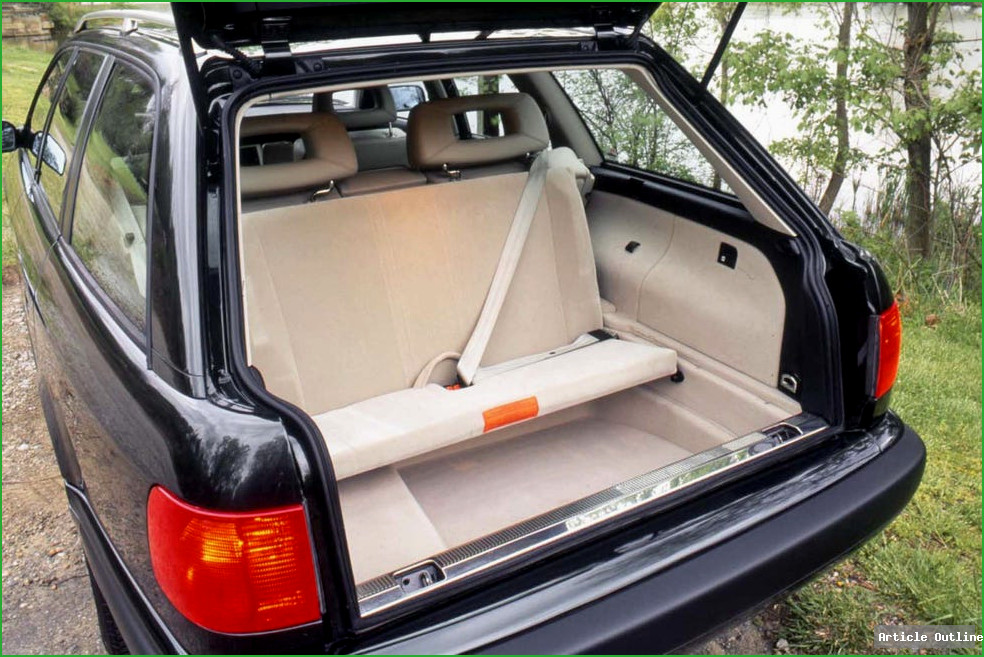
- Seating for Seven (Sort Of): This isn’t your average minivan. Audi’s ‘5+2’ approach—five adults plus two ‘half-pints’ in a clever rear-facing third row—was both practical and a little tongue-in-cheek. It was a solution for families who didn’t want to drive a bus.
- Performance Wagon Pioneer: The 100CS Quattro Wagon posted a 0.80g skidpad and 0-60 mph in 10.8 seconds—not exactly a rocket, but athletic for its era and class. It paved the way for today’s obsession with high-performance wagons like the Audi RS6 Avant.
- Premium Price Tag: At over $41,000 in 1993 (about $85,000 adjusted for inflation), this was a true luxury vehicle. It was aimed at discerning buyers willing to pay for European engineering and exclusivity.
Key Takeaways
- All-wheel drive gave it real-world usability, especially in harsh climates.
- Interior design blended durability (plastic in high-wear areas) with luxury (leather, walnut).
- Innovative seating made it a pseudo three-row long before crossovers made that the norm.
- Tech touches like programmable remotes and security screens set it apart.
- Performance and handling outclassed most wagons—making it a driver’s family car.
Comparison: Then vs. Now
- 1993 Audi 100CS Quattro Wagon: 172 hp V6, 0-60 mph in 10.8s, 18 mpg, AWD, $41K price.
- Modern Equivalent (Audi A6 Allroad): 335 hp turbo V6, 0-60 in 5.1s, 23 mpg combined, adaptive air suspension, $70K+ MSRP.
While tech and power have soared, the core formula—blending luxury, performance, and utility—remains the same. Audi’s DNA is crystal clear.
Pros & Cons Analysis
- Pros:
- True all-weather capability
- Luxurious, well-appointed interior
- Innovative seating flexibility
- Strong safety and tech features for its time
- Cons:
- High price limited accessibility
- Third row only usable by children
- Fuel economy and performance can’t match modern standards
Expert Commentary: The Bottom Line
“The 1993 Audi 100CS Quattro Wagon was a unicorn—a practical yet premium family car with real driving dynamics, and a harbinger of today’s luxury wagons and crossovers. Audi’s willingness to innovate in this segment set a template competitors still follow.”
If you’re hunting for a classic that’s as versatile as it is distinctive, the 100CS Quattro Wagon offers a glimpse into the origins of the modern luxury family car.