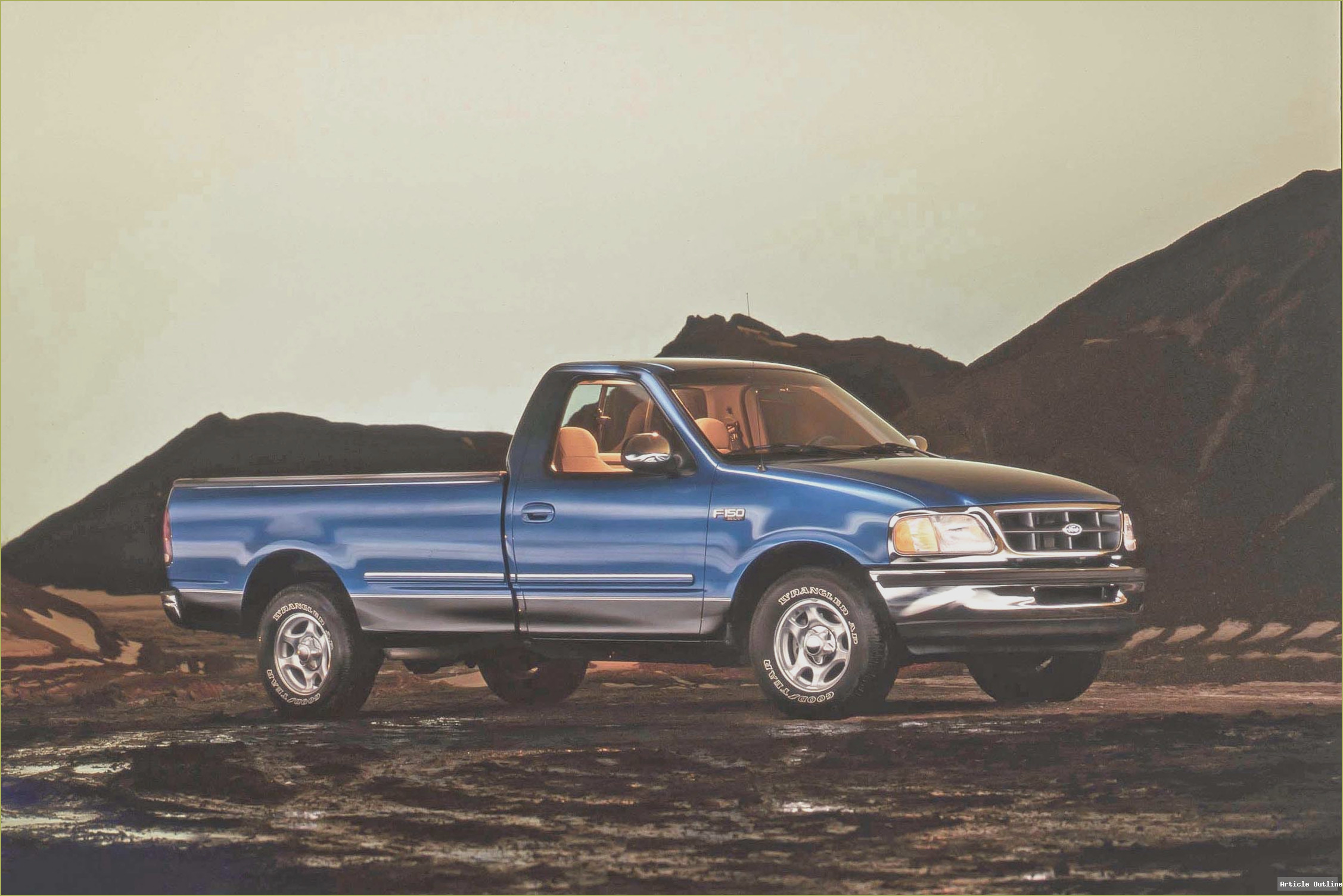
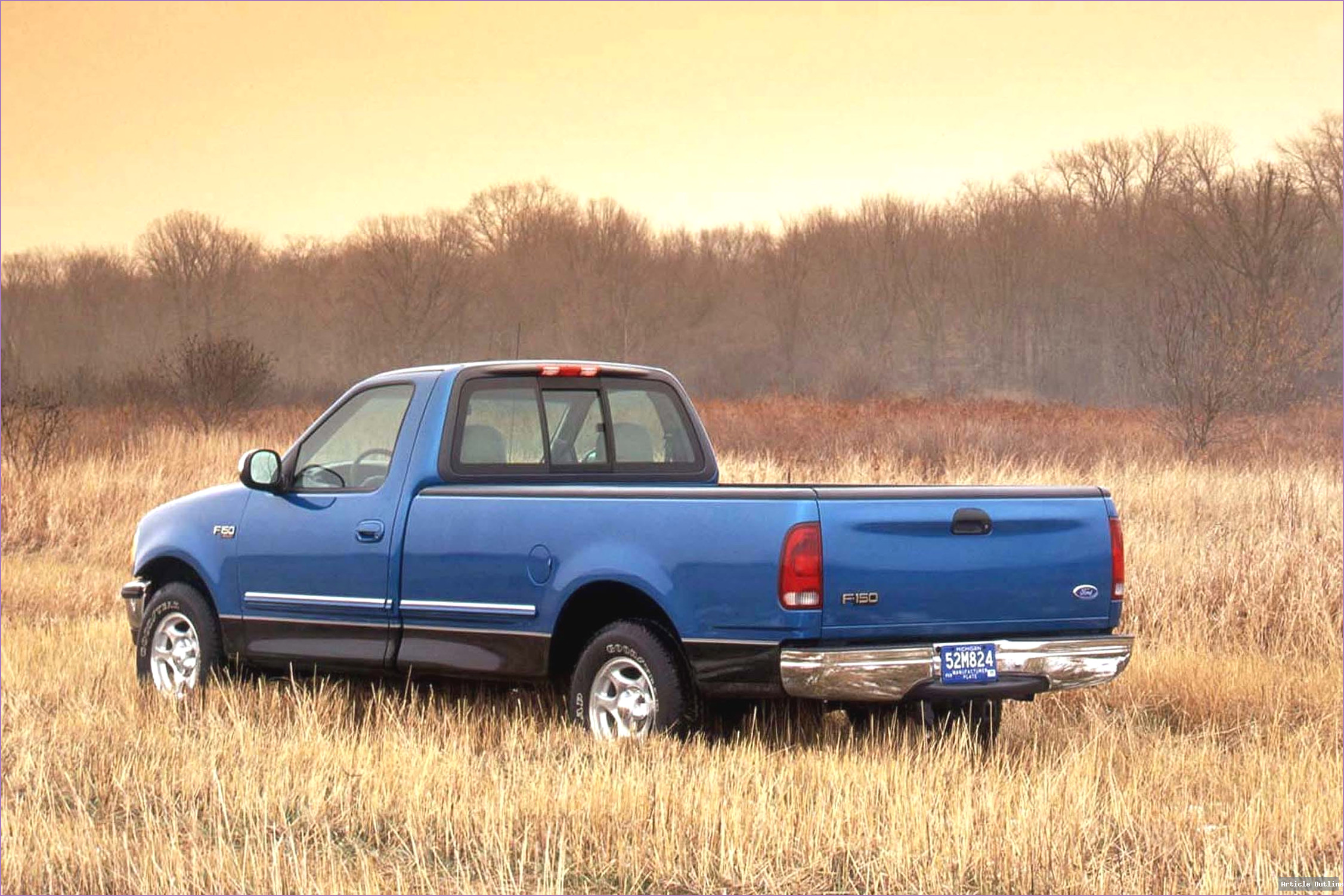
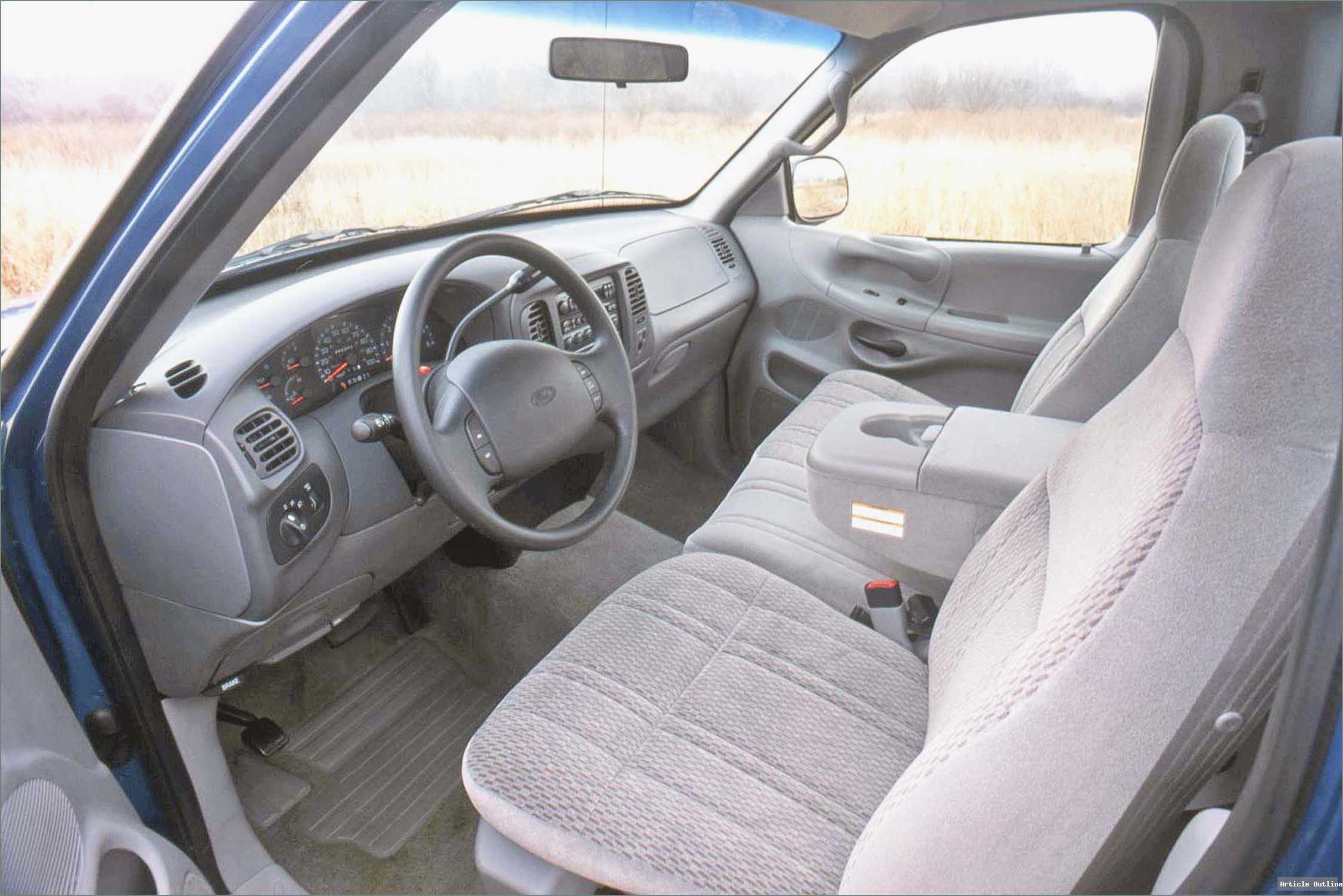
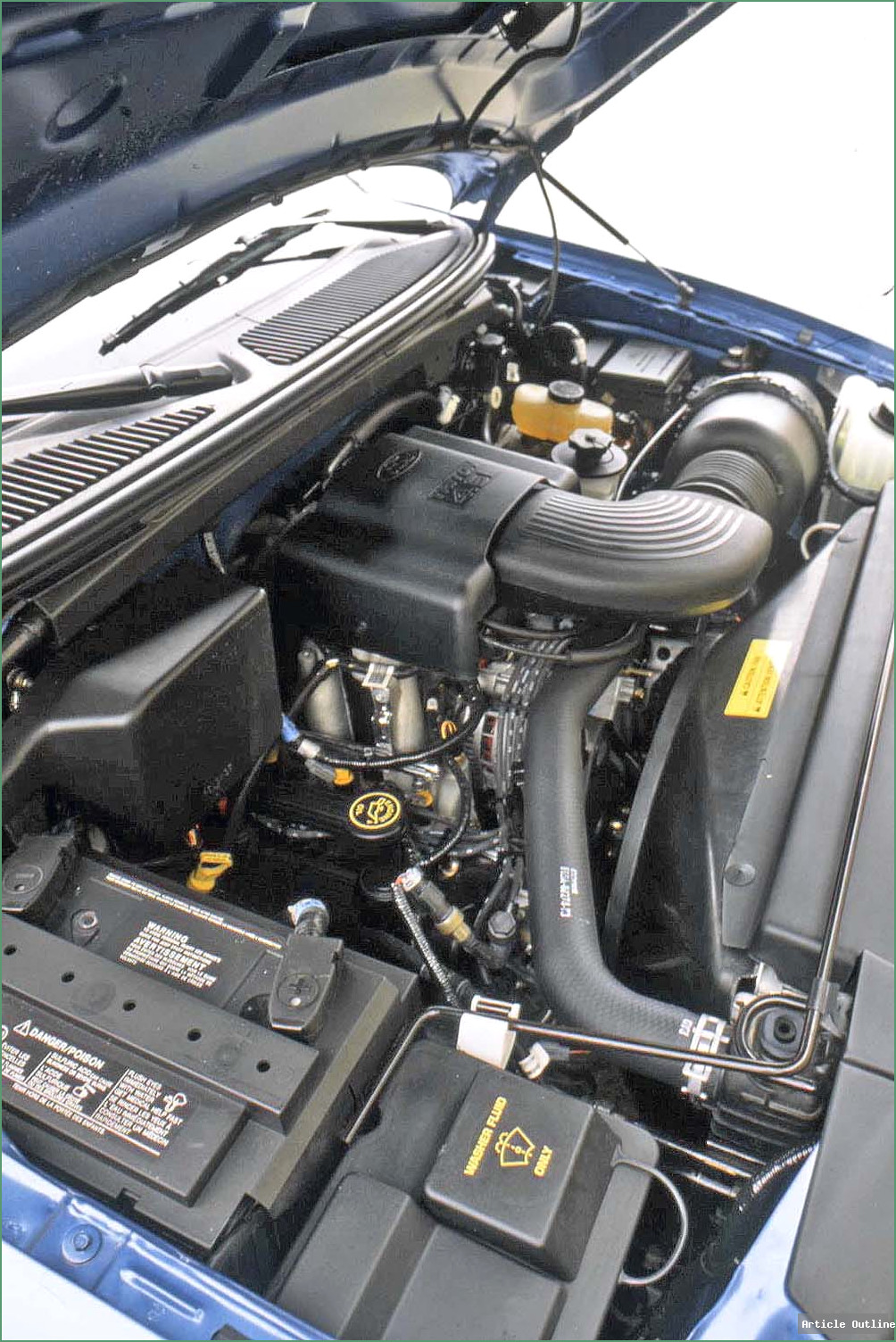
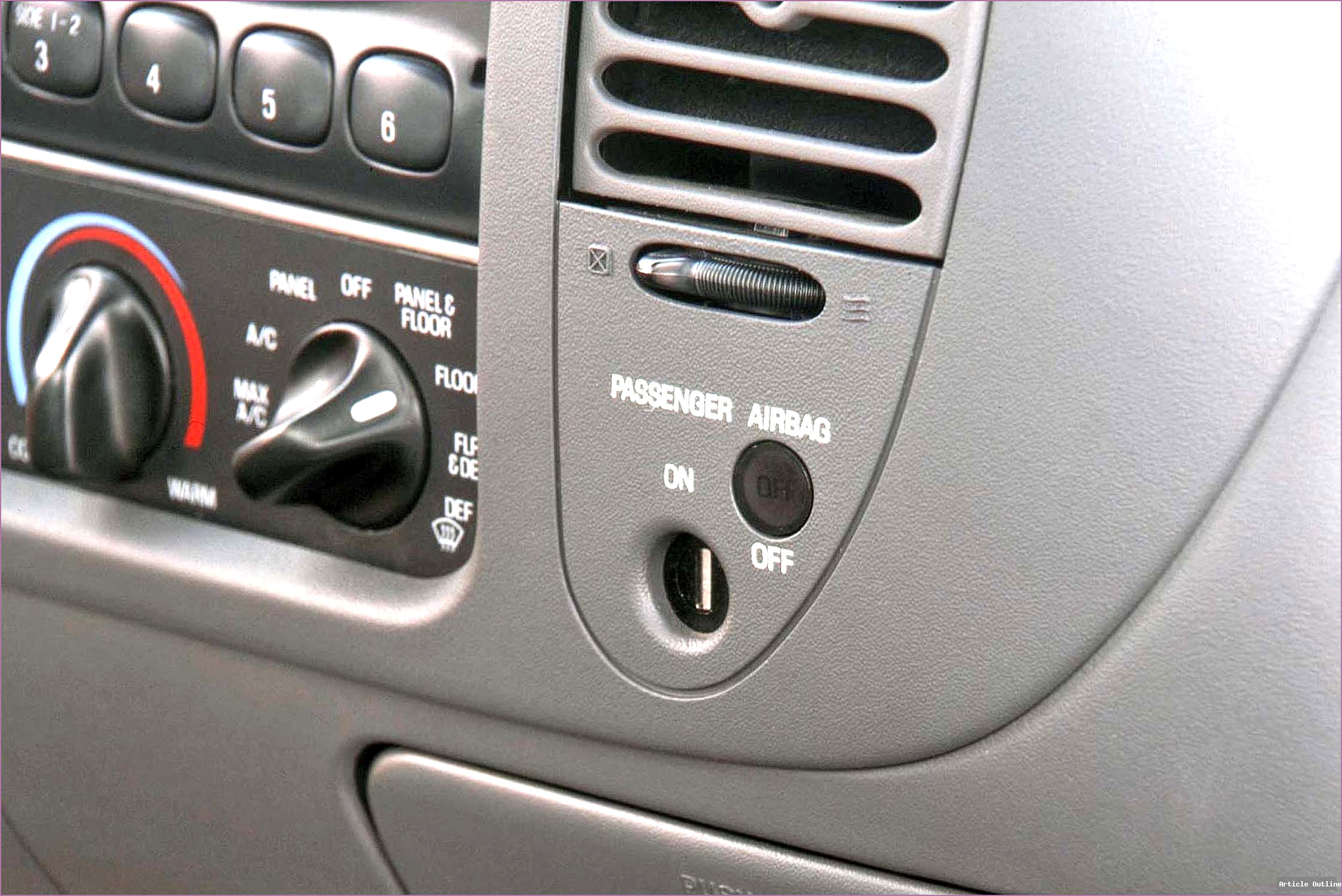
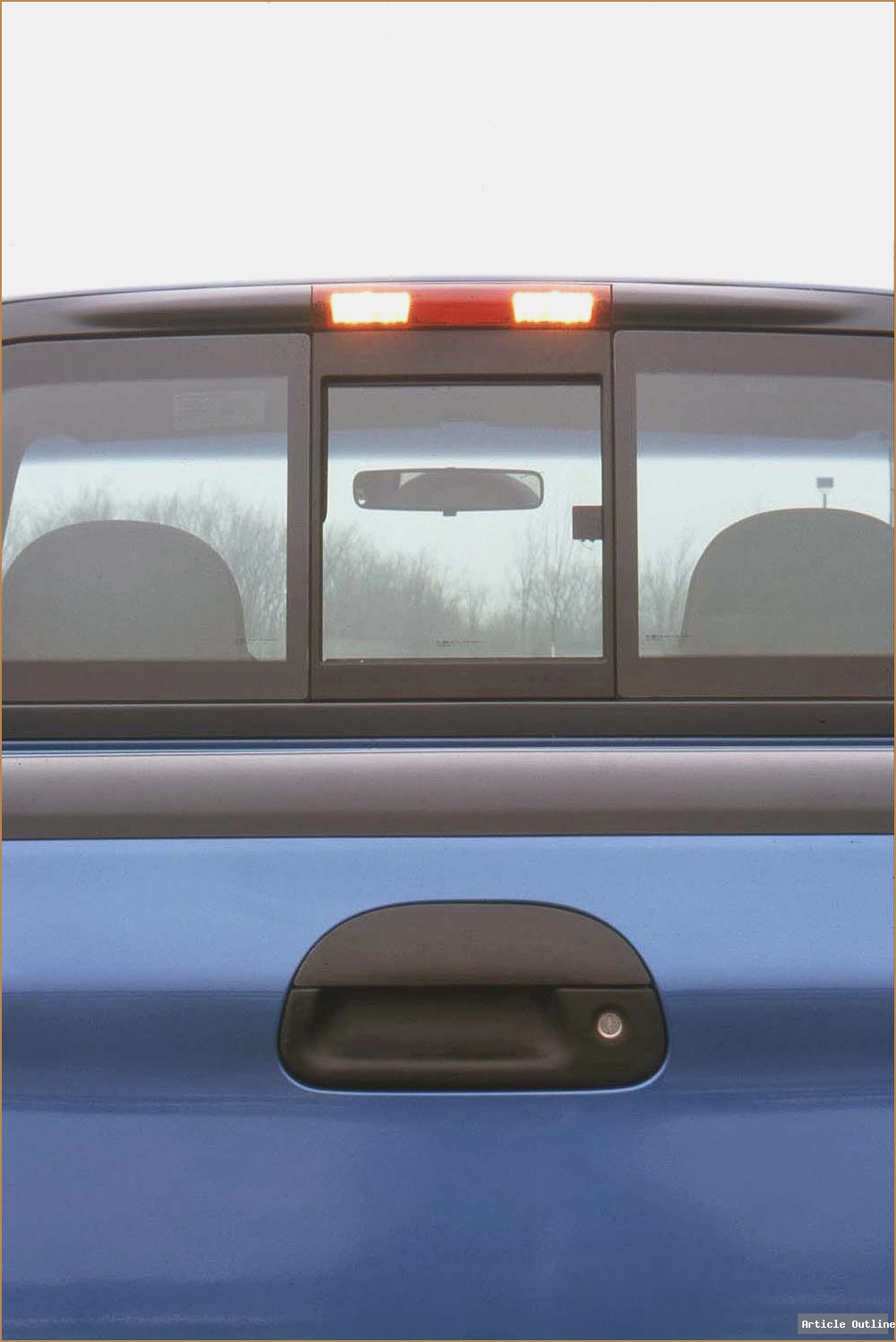
The 1997 Ford F-150 XLT isn’t just another old pickup—it’s a cultural milestone in the evolution of American trucks. This model year marked a seismic shift in Ford’s design philosophy, blending comfort, style, and utility in ways that still resonate. Let’s dig into why the ’97 F-150 XLT deserves more than a nostalgic photo gallery—and why it still commands respect almost three decades later.
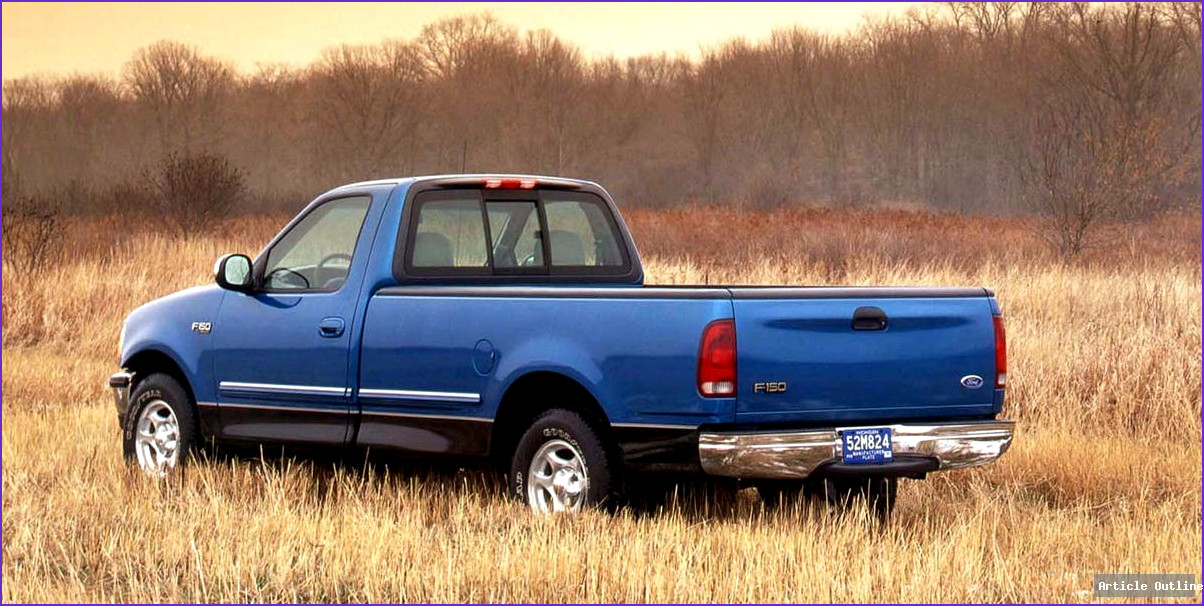
Why This Matters
- Redefined the pickup market: The 1997 F-150 was a departure from the boxy, utilitarian trucks of the past. Its aerodynamic styling and car-like interior set a new standard for comfort and everyday usability.
- Launched the best-selling truck’s modern era: The F-150 has been America’s best-selling vehicle for over four decades, and this generation was pivotal in maintaining that streak.
- Influenced today’s truck trends: The focus on comfort, ride quality, and family-friendly features started here, paving the way for today’s luxury-laden pickups.
What Most People Miss
- Radical engineering choices: Ford switched to an independent front suspension (IFS) for two-wheel-drive models, improving ride comfort but sparking debates among traditionalists who preferred the old solid axle design.
- Lighter construction: By using more aluminum and plastics, Ford shaved up to 120 pounds off previous models, helping fuel efficiency—a hot topic even in the late 1990s.
- Last hurrah for the old-school V8: The ’97 XLT was one of the last F-150s to offer the legendary 5.0L Windsor V8, before newer modular engines took over.
Key Takeaways
- The ’97 F-150 XLT’s blend of style, comfort, and capability set a new benchmark for full-size pickups.
- It bridged the gap between workhorse and family vehicle, making pickups more mainstream.
- Collectible status is rising—clean examples fetch a premium at auctions and among enthusiasts.
- Its design DNA is still evident in modern trucks, proving its long-lasting influence.
Industry Context and Comparisons
- Competition at the time: Chevy’s C/K series and Dodge’s Ram 1500 were still boxy and more work-focused, making the F-150’s rounded look stand out.
- Sales impact: Ford sold over 750,000 F-150s in 1997, outpacing rivals and cementing its leadership role.
- Modern echoes: Today’s F-150 Lightning and hybrid models owe their family-friendly, tech-forward approach to the groundwork laid by the 1997 redesign.
Pros and Cons
- Pros: Comfortable ride, modern looks, improved fuel economy, and versatile cab options.
- Cons: Some die-hards disliked the move to IFS and lighter materials, fearing reduced toughness (a debate that continues today!).
Action Steps for Enthusiasts
- Looking to buy? Prioritize well-maintained examples with low rust and original equipment.
- If you already own one, consider preservation—these are becoming classics.
- Join online F-150 forums and classic truck shows to connect with fellow fans.
“The 1997 F-150 XLT was a gamechanger. It’s not just a truck—it’s a piece of American automotive history that shaped what we expect from pickups today.”
The Bottom Line
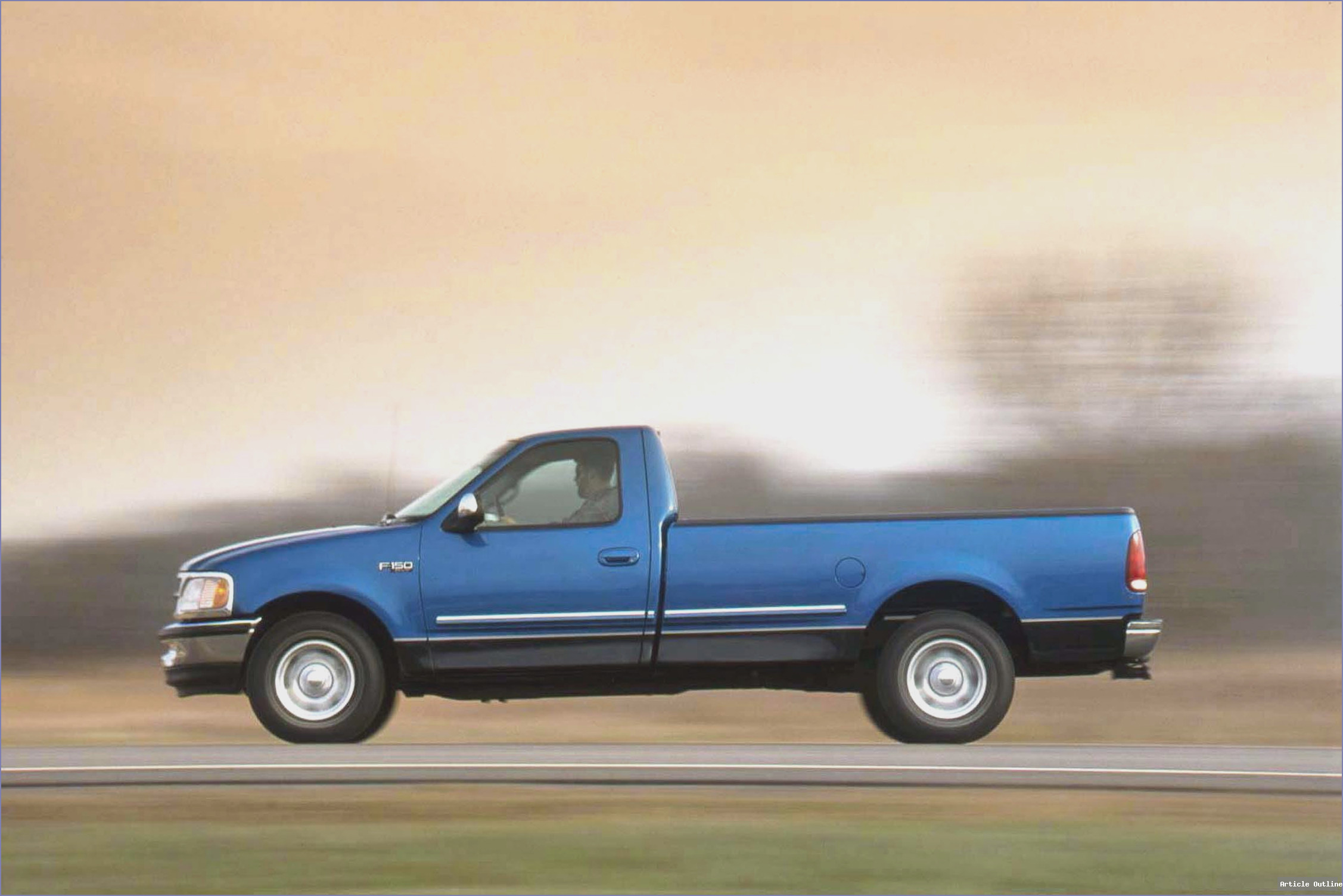
The 1997 Ford F-150 XLT is more than just a vehicle—it’s a symbol of change in American motoring. Its influence is still felt every time you see a family using a pickup for more than just hauling lumber. If you spot one on the road, take a moment to appreciate the truck that redefined an industry.
Sources: